
Shrubs
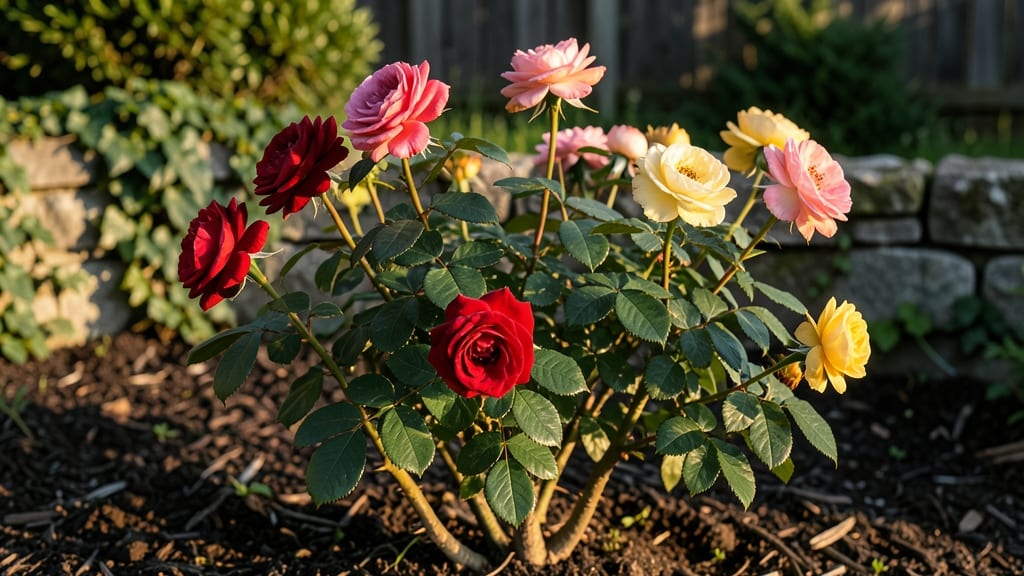
Maintaining rose bushes isn't about constant work—it's about three key habits that keep them blooming like crazy all season. 🌹 I learned the hard way that skipping even one step leads to leggy stems and sparse flowers, but once I nailed these basics, my bushes went from "meh" to "showstopper" in just one year.
The secret starts with pruning at the right time—not when it feels convenient, but when the plant signals it's ready. Combine that with deep watering (not light sprinkles) and balanced fertilizer applied at the right moments, and you've got a recipe for roses that thrive without fuss.
Most gardeners overcomplicate this, but it's really about consistency, not complexity.
By summer's end, you'll have roses that produce more blooms than you can cut, with stems strong enough to support their own weight. The foliage stays vibrant, pests stay away, and you spend less time struggling than you do admiring.
This system works for hybrid teas, floribundas, and even those tricky climbing varieties.
Whether you're dealing with hot summers, cold winters, or limited time, these adjustments keep your roses looking their best with minimal effort. The payoff? A garden that turns neighbors' heads—and makes your own heart swell with pride every time you walk by.
📚 In This Guide
- What you need
- Instructions
- Tips and common mistakes
- Wrapping up and next steps
What you need
- ● Pruning shears: Sharp, bypass-pruners (4-6 inches) for clean cuts.
- ● Gloves: Heavy-duty gardening gloves (waterproof, long-cuffed) to protect hands.
- ● Watering can or hose: With a gentle spray nozzle (5+ gallons capacity).
- ● Mulch: Organic mulch (2-4 inches thick): cedar chips, pine bark, or compost.
- ● Fertilizer: Balanced rose fertilizer (10-10-10 or 5-10-5 NPK ratio).
- ● Slow-release granules or liquid feed (follow label instructions).
- ● Soil amendments: Compost or aged manure (1-2 inches mixed into soil).
- ● Disease control: Copper fungicide (for black spot/powdery mildew).
- ● Neem oil (organic option for pests).
- ● Rose-specific stakes or cages (for support).
- ● pH test kit (to check soil acidity, ideal: 6.0–6.5).
- ● Drip irrigation system (for consistent watering).
- ● Hand trowel (for transplanting or soil adjustments).
- ● Pruning saw (for thick stems over ½ inch).
Step-by-Step year-round care for thriving rose bushes
Here's the method I've used to keep my roses blooming abundantly for over a decade—no fancy tools, just consistent care.
✂️ Step 1: Prune for Structure and Airflow
Start pruning in late winter or early spring, just as buds begin to swell. Remove any dead, diseased, or crossing branches first—they rob energy from new growth. I look for branches that rub against each other or grow inward, cutting them back to the nearest outward-facing bud. This opens up the center of the bush, which prevents fungal diseases like black spot.
Next, shape the bush by cutting back last year's growth to about 18-24 inches from the ground, depending on the variety. For hybrid teas, I aim to leave 3-5 strong canes per bush. Make cuts at a 45-degree angle, about ¼ inch above an outward-facing bud. This ensures new growth emerges outward, not inward where it can crowd the center.
🌿 Step 2: Fertilize in Three Strategic Phases
Feed roses in early spring when new growth appears, again in early summer after the first flush of blooms, and once more in mid-summer. I use a balanced 10-10-10 fertilizer in spring, then switch to a bloom booster like 5-10-10 for summer feedings. Apply fertilizer when the soil is moist to avoid root burn, spreading it evenly over the root zone but keeping it 6 inches away from the stem.
Here's the thing—over-fertilizing in fall leads to tender new growth that won't survive winter. I stop feeding completely after mid-August so the plant can harden off before cold weather. You'll see lush, vibrant foliage after spring feeding, and continuous blooms if you maintain that mid-summer boost.
💧 Step 3: Water Deeply and Consistently
Roses need 1-2 inches of water per week, delivered deeply rather than lightly. I water at the base of the plant in the early morning, aiming for 6-8 inches of soil moisture. Wet leaves encourage fungal diseases, so avoid overhead watering. You'll know you're doing it right when the top 2-3 inches of soil feel moist but not soggy.
Mulch around the base with 2-3 inches of organic mulch like shredded bark or compost to retain moisture and regulate soil temperature. Keep the mulch 2 inches away from the stem to prevent rot. During heatwaves, I increase watering to every other day until the soil feels dry again. Drooping leaves in hot weather usually means the roots are thirsty, not the foliage.
☀️ Step 4: Protect and Prepare for Seasonal Changes
In fall, after the first hard frost, cut back any remaining foliage and stems to 12-18 inches above the ground. This prevents pests from overwintering in the debris and reduces the risk of fungal diseases. I also apply a 2-3 inch layer of mulch around the base to insulate the roots during winter. For roses in colder climates, wrap the entire bush with burlap or use rose cones to protect against freezing temperatures.
In early spring, remove winter protection once the ground thaws but buds haven't swollen yet. This prevents moisture buildup that can cause rot. Watch for aphids and spider mites in spring—they love new rose growth. I spray with neem oil or insecticidal soap at the first sign of infestation. You'll see fresh, vibrant growth emerge within 2-3 weeks of removing winter protection, signaling it's time to resume regular care.
⏰ Step 5: Monitor and Adjust Throughout the Year
Check roses weekly for signs of pests, disease, or nutrient deficiencies. Yellowing leaves often mean the plant needs iron or is overwatered, while pale green leaves signal nitrogen deficiency. I adjust my care based on what I observe—adding iron supplements for yellowing leaves or applying a nitrogen-rich fertilizer if growth slows.
Deadhead spent blooms regularly to encourage continuous flowering. Cut back to the nearest five-leaflet leaf or outward-facing bud. This prevents the plant from wasting energy on seed production. You'll notice a second flush of blooms within 4-6 weeks of consistent deadheading. Keep an eye out for black spot or powdery mildew, treating with fungicide at the first sign to prevent spread.
Tips & tricks for perfect year-round rose maintenance
Real talk: I've learned these tricks after years of trial and error with my own rose garden. The difference between a struggling bush and one that bursts with blooms often comes down to these small but critical details.
Pruning Precision: When you're shaping your roses to 18-24 inches in Step 1, focus on making clean cuts just above an outward-facing bud. The 45-degree angle isn't just for looks—it helps water run off the cuts, preventing rot. I always sterilize my pruners with rubbing alcohol between cuts to avoid spreading disease. This might seem like overkill, but it's what keeps my bushes healthy for years.
Fertilizer Timing Strategy: The three feeding phases in Step 2 work wonders, but here's what nobody tells you: spread that 10-10-10 fertilizer in a donut shape around the base, 6 inches from the stem, not right against it. The roots extend outward, not upward. Also, I've found that mid-August cutoff for fall feeding is non-negotiable—any later and you'll get tender growth that freezes. The difference in winter survival is night and day.
Watering Wisdom: That 1-2 inches per week guideline in Step 3 is perfect, but here's the secret: water in the morning so leaves dry quickly. I use a rain gauge to track weekly totals—it's the only way to be precise. For the 6-8 inches of soil moisture, I stick my finger in after watering. If it comes out clean at 2-3 inches down, you're golden. If it's still wet, wait a day before watering again. Overwatering is just as deadly as underwatering for roses.
Seasonal Protection Hacks: For fall pruning to 12-18 inches, I always leave a few extra canes in colder climates—they act as insulation. And that 2-3 inch mulch layer? I double-check it's not touching the stem because wet mulch right against the wood causes rot every time. In spring, I never remove winter protection until I see buds starting to swell—usually around the time forsythia blooms in my zone.
Pro Tips for Maintain Rose Bushes
- Real talk: I've learned these tricks after years of trial and error with my own rose garden.
- Pruning Precision: When you're shaping your roses to 18-24 inches in Step 1, focus on making clean cuts just above an outward-facing bud.
- The roots extend outward, not upward.
Frequently asked questions
Got questions about keeping your roses thriving? You’re not alone!
Here are answers to the most common concerns—from pruning puzzles to pest problems—so you can enjoy stunning blooms all season long.
How often should I prune rose bushes?
Prune once a year in late winter or early spring (before new growth starts). For climbers, prune after flowering to encourage more blooms. Deadhead faded flowers regularly to redirect energy to new growth. Pro tip: Use clean, sharp shears and remove no more than ⅓ of the plant per pruning to avoid stressing the bush.
When is the best time to fertilize rose bushes?
Fertilize roses 3–4 times a year:
- Early spring (when new shoots emerge) – Use a balanced fertilizer (10-10-10).
- After first bloom – Switch to a low-nitrogen, high-phosphorus fertilizer (e.g., 5-10-10) to boost flowering.
- Mid-summer – Apply a slow-release fertilizer or compost tea for a gentle boost.
- Avoid fertilizing in fall—let the plant rest.
What should I do if my rose bushes get aphids or black spot?
Act fast! For aphids, blast them off with a strong spray of water or use neem oil (mix 1 tbsp neem oil + 1 tsp mild soap + 1 quart water). For black spot (dark spots on leaves), prune infected leaves immediately and apply a fungicide (copper-based or sulfur). Prevent future issues by spacing plants for airflow and watering at the base (not overhead).
How much water do rose bushes need daily?
Roses need 1–2 inches of water per week, but deep, infrequent watering is better than light daily sprinkles. Water early in the morning to reduce evaporation and fungal risks. Mulch around the base (2–3 inches) to retain moisture. Watch for signs: Wilting or crispy leaves mean more water; yellowing leaves may signal overwatering.
Can I grow roses in containers? What’s the best setup?
Choose dwarf or miniature roses for containers. Use a large pot (at least 15–20 gallons) with drainage holes and fill it with well-draining potting mix (add perlite or sand). Place in full sun (6+ hours/day) and water frequently (containers dry out faster). Feed with liquid fertilizer every 2–3 weeks during growing season. Pro tip: Move containers indoors or to a sheltered spot in winter if temps drop below 20°F.
Wrapping up and next steps
With these year-round care secrets, your rose bushes will thrive and reward you with stunning, lush blooms for seasons to come! 🌹✨ Remember, consistency is key—whether it’s pruning, feeding, or protecting them from pests.
Now that you’re armed with expert tips, roll up your sleeves and give your roses the love they deserve. Ready for the next step? Explore more ways to elevate your garden game and watch your green thumb shine!