
Vegetables
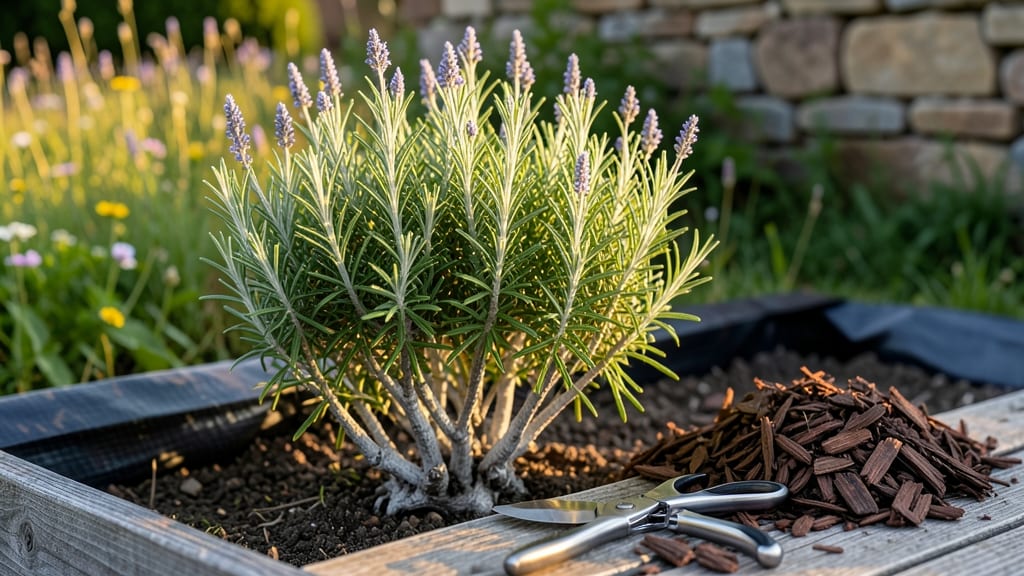
Preparing rosemary for winter keeps your kitchen stocked with fragrant sprigs all year. 🌿 I learned the hard way—last winter, my rosemary turned into a sad, woody stick after the first frost. The fix? A few simple steps that protect the plant and even boost next year’s growth.
Start by pruning back one-third of the plant in early fall to encourage new, tender growth. Focus on removing dead or yellowing branches first—this prevents disease and makes winter care easier. For frost-prone areas, mulch heavily with straw or shredded leaves to insulate the roots.
If your rosemary is potted, move it to a sheltered spot like a garage or porch where temps stay above 25°F. Water sparingly—overwatering in cold weather kills more plants than frost. With these steps, your rosemary will bounce back in spring, ready to thrive.
Bonus tip: Harvest sprigs before the first hard freeze and dry them for winter cooking. Avoid the mistake of cutting too late—woody stems won’t regrow. Now, let’s get your rosemary winter-ready!
📚 In This Guide
- What you need
- Instructions
- Tips and common mistakes
- Wrapping up and next steps
What you need
- ● Fresh rosemary plants – 2–4 healthy, mature plants (choose compact varieties like Rosemary 'Blue Spires' for easier storage).
- ● Sharp pruning shears – A pair of clean, sterilized shears (or scissors) to trim stems without crushing.
- ● Paper towels or a clean cloth – For gently drying stems after harvesting.
- ● Brown paper bags or newspaper – 2–3 large bags to air-dry stems (avoid plastic—it traps moisture!).
- ● Pantry staples: 1–2 glass jars (8–16 oz, with airtight lids) for dried rosemary storage.
- ○ 1 small bowl for rinsing (optional, if soil is present).
- ○ Food processor or mortar & pestle – For crushing dried rosemary into flakes (optional but handy!).
- ● Herb drying rack – A mesh or wire rack speeds up drying and prevents mold.
- ● Vacuum sealer – Extends shelf life for long-term storage (up to 1 year!).
- ● Freezer bags or ice cube trays – For freezing fresh rosemary sprigs or infused oil.
- ● Labeling supplies – Masking tape + marker to label jars with the harvest date.
- ● Olive oil & small jar – If you’re making rosemary-infused oil for winter cooking!
How to prepare rosemary for winter: year-round herb savings
Here's my foolproof method to keep rosemary thriving through cold months—no fancy tools needed.
🌿 Step 1: Prune Back and Harvest Before Frost
Start by giving your rosemary a hard prune in late fall, about 4-6 weeks before your first frost. Cut back the entire plant by one-third to one-half using clean, sharp pruners. This encourages new growth and prevents woody stems from forming. I like to harvest sprigs for cooking right after pruning—you'll get fresh herbs for winter meals while shaping the plant.
Focus on removing any dead, yellowed, or damaged stems first. Then trim back the remaining growth to just above a set of healthy leaves. You'll see fresh green growth emerging from the base within 2-3 weeks—this is your plant preparing for winter. Avoid pruning too late, though. If frost hits before you prune, the plant will struggle to recover.
✂️ Step 2: Mulch and Protect the Base
Once pruned, cover the soil around your rosemary with a 3-4 inch layer of mulch—I use straw or shredded leaves. This insulates the roots from freezing temperatures and retains moisture. The mulch should reach the base of the plant but not pile up against the stems, which can cause rot. Water the plant deeply before applying mulch so the soil stays moist through winter.
For extra protection in cold climates, wrap the plant loosely with burlap or a frost cloth. This creates a microclimate that traps warmth. I leave the wrap on through winter but remove it in early spring once temperatures consistently stay above 40°F. Watch for signs of mold or excessive moisture buildup—if you see condensation or damp spots, remove the wrap for a few hours to dry out.
☀️ Step 3: Adjust Watering and Light for Winter
Reduce watering in winter—rosemary is drought-tolerant and needs far less moisture when growth slows. Water only when the top inch of soil feels dry to the touch, usually every 2-3 weeks unless you're in a particularly dry climate. Overwatering in winter can lead to root rot, especially if the plant isn't actively growing. I check soil moisture by sticking my finger into the soil; if it's damp, I wait another week.
Move potted rosemary to a sheltered spot if possible, like against a south-facing wall or under a patio cover. If you're in a very cold region, bring potted plants indoors to a bright, cool location (50-60°F). Avoid dark corners—rosemary needs light to survive. You'll notice new growth starting in early spring, signaling it's ready for regular care again. This is the moment that matters: when the first fresh green shoots appear, you know winter prep worked.
Tips & tricks for year-round rosemary care
Real talk: I've lost rosemary plants to winter more times than I'd like to admit. These are the tricks that finally saved mine—and they're simple enough anyone can do them.
Timing is Everything: That 4-6 week window before frost is non-negotiable. I learned this after watching my rosemary turn crispy overnight when I waited too long. Check your local frost date and mark your calendar. If you're unsure, prune on a mild day in late October to be safe. The plant needs those 2-3 weeks of recovery before winter sets in—don't rush it!
Mulch Like a Pro: The 3-4 inch layer of mulch isn't just decoration—it's insulation. I use straw because it breaks down slowly, but shredded leaves work too. The key is to mound it gently against the base without smothering the stems. Think of it like a cozy blanket for your plant's roots. And always water deeply before applying mulch—dry soil doesn't insulate well.
Light Matters More Than You Think: That 50-60°F indoor spot needs to be bright. I've made the mistake of tucking potted rosemary in dark corners, and it turns sad and leggy. Place it near a south-facing window or under grow lights if natural light is limited. If you see the stems stretching toward light, it's time to move it closer. Remember, rosemary needs light to survive—it's not a low-light houseplant.
Pro Tips for Prepare Rosemary For Winter
- Real talk: I've lost rosemary plants to winter more times than I'd like to admit.
- Timing is Everything: That 4-6 week window before frost is non-negotiable.
- Mulch Like a Pro: The 3-4 inch layer of mulch isn't just decoration—it's insulation.
Frequently asked questions
Got questions about keeping your rosemary thriving through winter? You’re not alone! Here are some of the most common concerns—and straightforward answers—to help you prep like a pro.
Can rosemary survive winter outdoors if I don’t bring it inside?
Some rosemary varieties (like Rosmarinus officinalis) can tolerate light frost, but heavy freezes will kill them. If you live in USDA zones 7-10, mulch heavily and protect with burlap. In colder zones, dig up potted plants or cut back woody stems to ground level before snowfall.
When is the best time to harvest rosemary before winter?
Harvest in late summer or early fall (September–October) when growth slows but before the first hard frost. Focus on non-flowering sprigs—they’re more flavorful! Prune back by ⅓ to encourage bushier regrowth. Avoid harvesting after a freeze, as the oil content (and flavor) drops.
What’s the easiest way to store fresh rosemary for winter?
For short-term use (weeks), wrap sprigs in a damp paper towel, place in a plastic bag, and refrigerate. For long-term storage (months), dry bundles upside-down in a dark, airy spot (2–3 weeks) or freeze in olive oil (1:3 ratio) in ice cube trays. Both methods preserve flavor beautifully!
Can I use dried rosemary the same way as fresh in cooking?
Yes, but adjust ratios! Dried rosemary is more concentrated—use ⅓ the amount of fresh (e.g., 1 tsp dried = 3 tbsp fresh). Crush sprigs between your fingers to release oils before adding to dishes. For marinades or soups, add dried rosemary early to avoid bitterness.
What if my rosemary turns brown or mushy after bringing it inside?
This usually means overwatering or poor airflow. Repot in well-draining soil, trim brown stems, and place in bright, indirect light (a south-facing window works). Water only when the top inch of soil is dry, and avoid soggy saucers. A fan on low can help prevent fungal issues.
Wrapping up and next steps
Preparing rosemary for winter is your ticket to fresh, fragrant flavors all year long—no grocery store needed! 🌿 Whether you harvest, dry, freeze, or preserve it, these simple steps ensure your herb stays vibrant and ready for soups, roasts, or homemade remedies.
With just a little effort now, you’ll enjoy the aromatic rewards of homegrown rosemary long after the growing season ends.
Ready to level up your herb game? Grab your preserved rosemary and start experimenting—try this easy rosemary-infused olive oil or whip up a cozy winter stew. Your taste buds (and future self) will thank you! 🍲✨