
Pruning
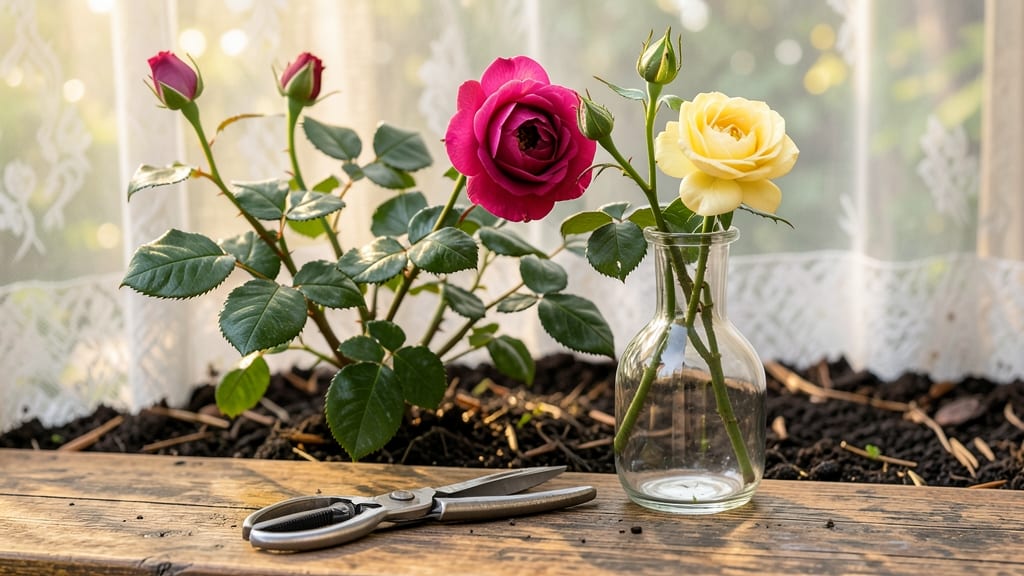
Learn how to prepare roses for vase with a clean, angled slice just above a node—this hidden trick keeps them drinking water for days longer than you’d expect. 🌹 I learned the hard way when my first bouquet wilted after just 24 hours, but now my garden roses last nearly a week in water.
The secret isn’t just the cut—it’s what you do before you even pick them.
Strip all but the top two leaves from each stem to prevent rot in the water, and snip any thorns that might make arranging painful. Use sharp pruners or scissors (never dull tools!) to make a clean cut at a 45-degree angle—about 2 inches from the base.
This increases water absorption, which is the real game-changer for vase life. Pro tip: Recut the stems every few days to keep water flowing fresh.
Once you’ve prepped the stems, give them a quick soak in lukewarm water for 30 minutes to rehydrate before arranging. Add store-bought flower food or make your own with a teaspoon of sugar and a splash of bleach (just a few drops!) to fight bacteria.
Your roses will unfurl fully, their petals soft as silk and scent stronger than when they were on the bush.
This method works for hybrid teas, floribundas, or even wild roses—just adjust the cutting angle based on stem thickness. The payoff? Bouquets that stay vibrant through weekends, holidays, or even a full workweek. No more sad, drooping stems by Tuesday!
📚 In This Guide
- What you need
- Instructions
- Tips and common mistakes
- Wrapping up and next steps
What you need
- ● Freshly cut roses – Choose stems with fully or partially open buds (avoid wilted or overly mature blooms). Aim for 3–5 stems per vase for a balanced look.
- ● Sharp pruning shears or floral scissors – Clean, sterilized blades (alcohol wipe works!) prevent bacterial buildup in the stems. 1 pair is all you need.
- ● Clean vase or container – Made of glass, ceramic, or plastic (avoid metal, which can corrode). Size should hold 2–3 cups of water for 3–5 stems.
- ● Room-temperature water – 1–2 cups per vase (cold water can shock stems).
- ● Flower food or preservative – 1 packet or liquid solution (e.g., Floralife or homemade sugar + bleach mix—see tips below!).
- ● Newspaper or paper towels – 2–3 sheets for drying stems and cleaning the workspace.
- ● Hydrogen peroxide (3%) – 1–2 tbsp per vase to disinfect water and keep stems crisp.
- ● White vinegar – 1 tbsp per vase to prevent bacterial growth.
- ● Sugar (granulated) – 1 tsp per vase to feed the flowers.
- ● Decorative elements – Pebbles, moss, or floral foam for a stylish touch (if using a non-traditional vase).
- ● Rubbing alcohol (70% or higher) – For quick stem sterilization before cutting.
Step-by-Step instructions for preparing roses for vase arrangements
Here’s how I transform cut roses into showstopping bouquets that last for days.
✂️ Step 1: Pick the Right Blooms at the Perfect Time
Choose roses with buds just beginning to open—fully bloomed flowers wilt faster. Look for stems with fresh, vibrant green leaves and avoid any with brown spots or wilting petals. The best time to cut is early morning when stems are fully hydrated and the air is cool. I always grab a sharp pair of pruners or clean scissors to make a clean cut—never tear stems by hand.
Hold the stem under running water while cutting to prevent air bubbles from blocking the vascular system. This simple trick keeps roses hydrated longer. Cut at a 45-degree angle about 4-6 inches from the base of the stem. This angled cut increases the surface area for water absorption, which is key for longevity.
💧 Step 2: Rehydrate Stems for Maximum Freshness
Fill a clean vase or bucket with lukewarm water—never cold or hot. Strip the lower leaves from the stems, removing anything that would sit below the waterline. These leaves rot quickly and invite bacteria that shorten vase life. I use my fingers to gently rub off leaves, being careful not to damage the stem.
Place the cut roses immediately in the water and let them soak for at least 1-2 hours before arranging. This rehydration step plumps up petals and revives stems that may have dried out during transport. For extra freshness, add a commercial floral preservative or make your own by mixing 1 teaspoon of sugar and 1 teaspoon of bleach (to prevent bacteria) per quart of water.
☀️ Step 3: Trim Stems and Arrange for Balance
After rehydration, recut the stems at a fresh 45-degree angle under water to open the vascular system again. This second cut ensures maximum water uptake. Remove any remaining leaves below the waterline and discard any stems with excessive damage or thorns. For a symmetrical bouquet, start by placing the largest blooms first, then fill in with smaller stems around them.
Arrange stems in odd-numbered groupings (3, 5, or 7) for a natural, full look. Tape stems together loosely with floral tape if needed, but avoid wrapping too tightly—this can restrict water flow. Leave about 1 inch of stem exposed above the waterline to prevent bacterial growth. The goal is a balanced arrangement where no single bloom overpowers the others.
🌿 Step 4: Maintain Water and Cleanliness Daily
Change the water every 2-3 days to prevent bacteria buildup, which causes petals to brown and fall prematurely. Before refilling, rinse the vase thoroughly with hot, soapy water and dry it completely. Add fresh preservative solution each time you change the water to keep stems hydrated and petals vibrant. I also trim stems by 1 inch each time I refresh the water to encourage new uptake.
Keep roses away from direct sunlight, drafts, and ripening fruits (like apples or bananas), which release ethylene gas—a natural aging hormone that speeds up wilting. Place the vase in a cool, shaded spot, like a bathroom or kitchen counter, where temperatures stay consistent. A little misting of the petals with water can also help revive drooping blooms and extend their life by a day or two.
Tips & tricks for perfect rose preparation
Real talk: The secret to roses that last isn't just luck—it's these small but powerful details that most people miss. Here's what nobody tells you about keeping your blooms fresh for days.
The Angle Game: That 45-degree cut in Step 1 isn't just for looks—it's about physics. The wider surface area lets stems drink up water like a straw. I learned this the hard way after watching roses wilt overnight from poor cuts. For extra insurance, recut stems at the same angle right before arranging in Step 3, even if they've been soaking. This second cut opens fresh vascular pathways that were sealed during the initial cut.
Rehydration Hack: The 1-2 hour soak in Step 2 is non-negotiable, but here's the thing: lukewarm water works better than cold because it mimics the natural temperature roses experience in the garden. Cold water shocks stems, while hot water can cook the delicate tissues. Pro tip: If you're short on time, you can reduce the soak to 30 minutes—but don't skip it entirely. The longer they soak, the more dramatic the difference in petal plumpness you'll notice.
Bacteria Blockade: That 1 teaspoon of bleach per quart in your preservative solution might seem harsh, but it's your secret weapon against bacteria. I know it sounds counterintuitive to add bleach to flowers, but it's the chlorine that kills harmful microbes without damaging the roses. For a gentler option, you can substitute with 1 tablespoon of white vinegar per quart of water—it's acidic enough to prevent bacterial growth while being completely safe for the flowers.
Ethylene Escape: Those ripening fruits releasing ethylene gas in Step 4 are the silent killers of vase life. Keep your roses away from apples, bananas, and even avocados—these produce ethylene gas that accelerates aging. I keep my vase on the bathroom counter where it's cool and away from fruit bowls. If you notice petals drooping, move the vase to a cooler spot immediately. A little misting with water can also revive them by rehydrating the petals.
Pro Tips for Prepare Roses For Vase
- Real talk: The secret to roses that last isn't just luck—it's these small but powerful details that most people miss....
- The Angle Game: That 45-degree cut in Step 1 isn't just for looks—it's about physics. The wider surface area lets ste...
- Rehydration Hack: The 1-2 hour soak in Step 2 is non-negotiable, but here's the thing: lukewarm water works better th...
Frequently asked questions
about preparing roses for your vase—because even pros need a little help sometimes!How long can I keep cut roses fresh in a vase?
With proper preparation, roses can last 7 to 14 days in a vase! Use clean water, trim stems every 2–3 days, and change the water every 2–3 days to maximize freshness. Keep them away from direct sunlight or drafts for best results.
Should I remove the leaves submerged in water?
Yes!
Leaves in the water can rot and cloud it, shortening the roses’ lifespan. Strip off all leaves below the waterline with a clean, sharp knife or pruners. For extra longevity, snip off any thorns near the stem base too.
What’s the best water to use for vase roses?
Use room-temperature, filtered, or distilled water to avoid chlorine or bacteria buildup. Some florists swear by adding a sugar + bleach mix (1 tsp sugar + ¼ tsp bleach per quart of water) to feed the flowers and kill bacteria. Avoid tap water if it’s heavily chlorinated.
Can I use store-bought roses in a vase, or do I need fresh-cut ones?
Store-bought roses can work, but they’re often treated with preservatives to extend shelf life. For the longest-lasting blooms, opt for freshly cut roses from a local florist or garden. If using pre-cut stems, trim them immediately and follow the same care steps!
Why are my roses wilting or drooping after just a day?
Wilting can happen due to air bubbles in the stem, dirty water, or stems that weren’t cut properly. To fix it:
- Recut the stems at a 45-degree angle under water.
- Place stems in hot water (120°F) for 10 seconds to clear blockages.
- Add a flower food packet or DIY preservative (like 1 tsp bleach + 1 tbsp sugar per quart of water).
Do I need to add flower food, or is water enough?
While water alone works, flower food (available in packets or liquid form) adds sugar for energy and bacteria inhibitors to keep stems healthy. If you don’t have it, a DIY mix (1 tsp sugar + ¼ tsp bleach per quart) mimics the effect. Skip it only if your roses are already treated!
Wrapping up and next steps
Preparing roses for your vase is all about patience, precision, and a little love—and now you’ve got the secrets to make them last! With the right tools, a clean cut, and a nourishing solution, your blooms will stay fresh and vibrant for days. 🌹✨
Ready to put your new skills to work? Grab a bouquet, follow these steps, and enjoy the beauty of long-lasting roses in your home. Whether you’re gifting them or treating yourself, every snip and soak will make the moment even sweeter!