
How To
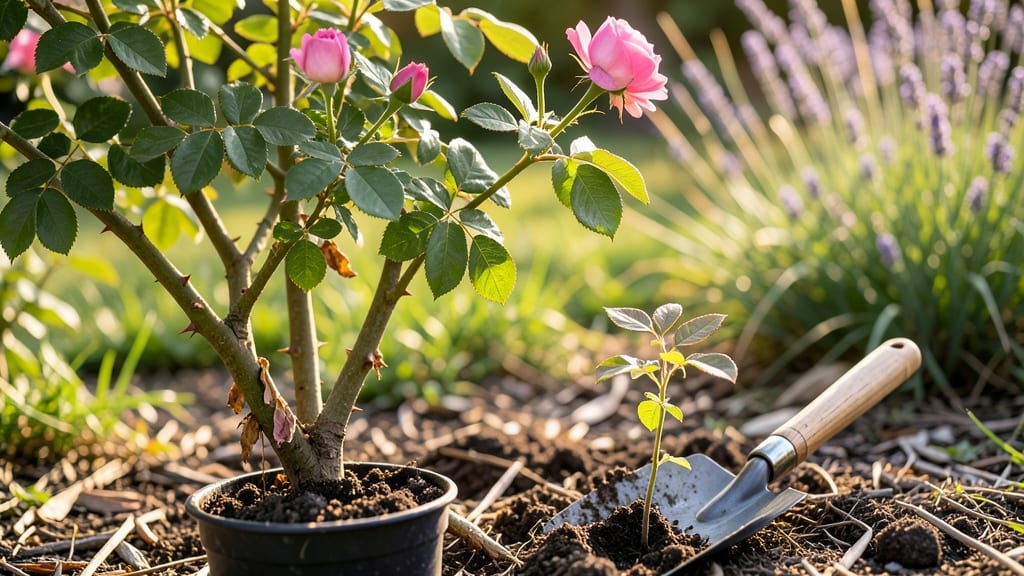
Transplanting rose bushes in August isn't just possible—it can save your plants from summer stress. ✨ The key is timing, soil prep, and understanding what roses need to recover before winter.
Most gardeners wait until spring, but late-summer transplanting works if you follow these proven steps to minimize shock and encourage root growth.
Start by choosing a cool, overcast day—mid-morning is ideal—to reduce heat stress on the roots. Amend the soil with compost to improve drainage, and prune back any wilted or damaged growth before moving the bush.
Water deeply the day before transplanting, then again immediately after, to help the roots establish in their new home. With the right care, your roses will bounce back stronger than ever by spring.
📚 In This Guide
- What you need
- Instructions
- Tips and common mistakes
- Wrapping up and next steps
What you need
- ● Garden gloves (1 pair) – Heavy-duty, waterproof gloves to protect your hands from thorns and soil.
- ● Pruning shears or sharp bypass pruners – Clean and sterilized (rubbing alcohol or bleach solution) to trim roots and stems.
- ● Shovel or spade – A round-point shovel (12–18 inches wide) for digging or a transplant spade (24–30 inches) for larger bushes.
- ● Garden fork or trowel – For loosening compacted soil and creating planting holes.
- ● Watering can or hose with a gentle spray nozzle – 5+ gallons capacity for thorough hydration.
- ● Compost or well-aged manure – 5–10 gallons (mix 1 part compost to 3 parts native soil).
- ○ Mulch (optional but recommended) – 2–3 inches of organic mulch (shredded bark, straw, or pine needles) to retain moisture.
- ○ Root stimulator or mycorrhizal fungi – 1–2 tablespoons per bush (optional but boosts root growth).
- ● Staking materials (if needed) – 3–4 wooden stakes (1–2 feet tall) + soft plant ties for windy areas or tall varieties.
- ● Epsom salt (magnesium sulfate) – 1 tablespoon per bush mixed into soil for nutrient boost.
- ● Slow-release rose fertilizer – Low-nitrogen (5-10-5 ratio) to avoid stressing the plant.
- ● Transplanting fabric or burlap – To wrap roots if moving long distances.
- ● Shade cloth (30–50%) – For 1–2 weeks post-transplant if temps exceed 90°F.
Step-by-Step instructions for transplanting rose bushes in August
August transplanting works—here’s how to keep your roses healthy through the transition.
🪴 Step 1: Choose the Right Time and Prepare the New Location
Pick a cool, overcast afternoon in late August when temperatures stay below 75°F. Roses need time to establish roots before winter, so aim for transplanting 4-6 weeks before your first frost. Dig the new planting hole twice as wide as the root ball but only as deep as the container or root system.
Loosen the soil at the bottom of the hole with a shovel or your hands—this prevents compaction and helps roots spread. Mix in 3-4 inches of compost or aged manure into the native soil to improve drainage and fertility. Avoid fresh manure, which can burn tender roots. Water the hole thoroughly 24 hours before transplanting to settle the soil.
✂️ Step 2: Prune and Prepare the Rose Bush for Moving
Trim back one-third of the bush’s height using clean, sharp pruners. Focus on removing long, leggy stems and any dead or diseased wood. Pruning reduces stress and encourages new growth. Water the rose deeply the night before—hydrated roots handle transplanting better and reduce shock.
Gently loosen the soil around the root ball with a spade, working 6-8 inches out from the base. For container-grown roses, water the pot first to reduce root damage. If the roots are circling tightly, use your fingers to tease them apart—this encourages outward growth in the new location. Real talk: Don’t rush this step. A gentle approach prevents broken roots that take weeks to recover.
💧 Step 3: Transplant and Water Thoroughly
Place the rose bush in the hole so the graft union (the bulge near the base) sits 2 inches above soil level. This prevents water from pooling and rotting the graft. Fill the hole with the amended soil, pressing lightly to eliminate air pockets. Water slowly but deeply until the soil is evenly moist to 12 inches down—this encourages roots to grow outward.
Add a 2-3 inch layer of mulch around the base, keeping it 3 inches away from the stem to prevent rot. Use straw or wood chips, not rocks, as they help retain moisture and regulate soil temperature. Water again 3-4 days later to settle the soil and encourage root growth. Here’s the thing—don’t overwater now. Roses need consistent moisture, not soggy soil.
☀️ Step 4: Provide Care and Monitor for Stress Signs
Keep the transplanted rose in partial shade for the first week, gradually moving it to full sun over the next 2 weeks. Watch for yellowing leaves or wilting stems—these are signs of stress. If you see them, water deeply and check for pests like aphids, which thrive on stressed plants. A light application of neem oil can help if you spot any.
Fertilize 4-6 weeks after transplanting with a balanced rose fertilizer (10-10-10 or similar). Avoid high-nitrogen feeds now—they encourage leafy growth at the expense of root development. Instead, focus on root establishment by keeping the soil consistently moist but not waterlogged. You’ll know it’s working when you see new growth in 6-8 weeks.
Tips & tricks for perfect late-summer rose transplants
August moves can make or break your roses—here's how to tilt the odds in your favor without the guesswork.
Timing is Everything: That 4-6 week window before first frost isn't arbitrary—it gives roots time to establish before winter dormancy. Check your local frost date and work backward. I always verify by calling my local extension office if I'm unsure about exact dates. For zones 6-8, aim for transplanting by mid-September at the latest.
The Root Ball Rescue: When loosening roots in Step 2, don't just dig around the edges. Work your fingers or a spade all the way to the outer edges of the root system—you're looking for those white, fibrous roots. If you see roots circling tightly, gently pull them apart like untangling headphones. This might take 10-15 minutes per bush, but it's worth it for better establishment.
Soil Science Matters: The 3-4 inches of compost recommendation is non-negotiable for August transplants. Native soil often compacts after summer heat, and roses hate compacted soil. Mix in a handful of perlite or coarse sand if your native soil feels heavy when damp. This improves drainage while retaining moisture—critical when roots are still fragile.
Watering Wisdom: That first deep watering after transplanting should reach 12 inches down, but don't stop there. Set up a drip irrigation system or soaker hose near the base to deliver 1-1.5 inches of water every 3-4 days for the first month. This mimics natural rainfall and prevents the "feast or famine" cycle that stresses new roots.
Pro Tips for Transplant Rose Bushes In August
- August moves can make or break your roses—here's how to tilt the odds in your favor without the guesswork.
- Timing is Everything: That 4-6 week window before first frost isn't arbitrary—it gives roots time to establish before winter dormancy.
- The Root Ball Rescue: When loosening roots in Step 2, don't just dig around the edges.
Frequently asked questions
Can I transplant roses in August if it’s too hot?
August can still work if you transplant early in the month (before extreme heat) and follow key precautions: water deeply before/after, mulch heavily, and avoid midday sun. Choose cloudy days or opt for late afternoon transplants. Pro tip: A shade cloth for 2–3 days post-transplant can reduce stress.
How long does it take for transplanted roses to recover?
Roses typically need 4–6 weeks to establish new roots in August, but recovery time depends on weather and care. Monitor for wilting or yellowing leaves—these may signal shock. Patience is key: Avoid heavy pruning or fertilizing until roots stabilize (usually by early fall).
What’s the best alternative if I can’t transplant now?
If August’s heat is too intense, consider bare-root planting in late fall (Nov–Dec) or container growing until spring. For existing roses, focus on deep watering and mulching to prep for next year’s transplant. Bonus: Prune lightly now to reduce stress.
Why are my rose leaves turning yellow after transplanting?
Yellow leaves often signal transplant shock or root damage, but they can also mean overwatering or nutrient loss. Check soil moisture (roots should be damp, not soggy) and inspect for pests like aphids. Fix it: Trim affected leaves, adjust watering, and fertilize lightly with a balanced rose food.
Should I fertilize roses right after transplanting?
Wait 6–8 weeks before fertilizing to avoid burning new roots. Instead, focus on organic matter like compost or a slow-release rose fertilizer in early fall. Exception: If soil is nutrient-poor, a light application of fish emulsion (diluted) can help—but skip if roots look stressed.
Wrapping up and next steps
Transplanting rose bushes in August can feel daunting, but with the right prep—like timing, soil care, and gentle handling—your roses will thrive! Remember, watering consistency, pruning, and mulching are your secret weapons for success. Don’t let late-summer hesitation hold you back; your garden’s future beauty is worth the effort!
Now that you’re armed with the know-how, pick a calm day and get those roots moving! Ready to see your roses flourish next spring? Check out our post-transplant care tips to keep them happy all season long. 🌹✨