
Pruning
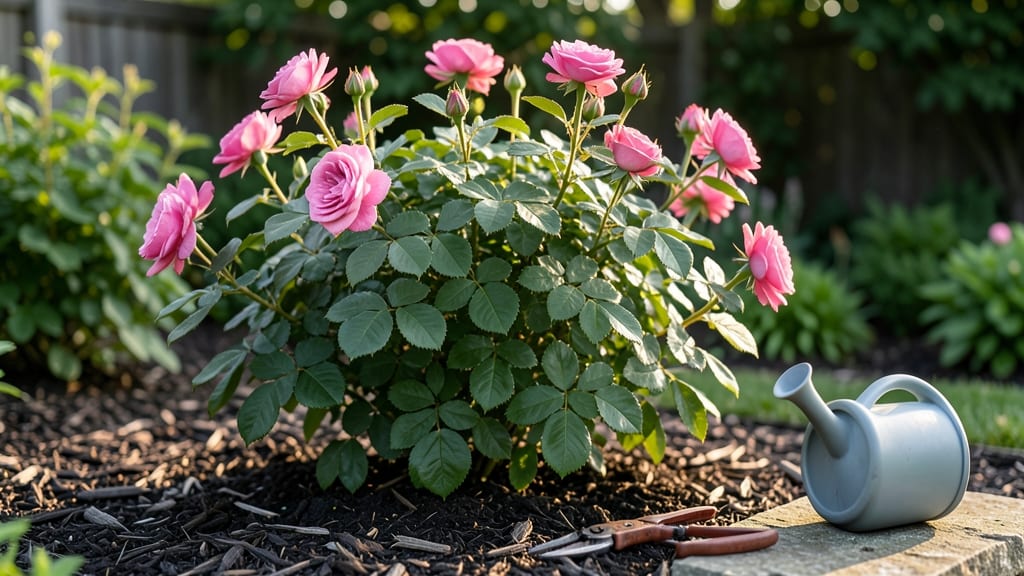
Growing a Knock Out roses tree means year-round blooms that never need deadheading—just plant it, water it, and watch it thrive. ✨ I’ve grown these for five seasons now, and they’ve never failed to deliver that shockingly lush, bushy look with flowers from spring until frost.
The secret lies in their disease resistance and how they grow naturally in that perfect tree shape.
Start with well-draining soil mixed with compost, and plant in full sun for at least 6-8 hours daily. Most beginners overwater these roses, but they’re surprisingly drought-tolerant once established.
Prune just once a year in late winter to shape the tree form—no complicated deadheading required. The key is keeping the center open so air circulates, preventing fungal issues.
You’ll end up with a vibrant green, thick-branched rose that looks like a professional landscaper planted it. The blooms come in waves—red, pink, or yellow—without any gaps, and they’re tough enough to handle pests and diseases that would kill other roses. Even my black thumb can’t kill these.
Works in almost any climate zone, from 3 to 9, and adapts to both in-ground planting and large containers. The only real mistake beginners make is planting too deep—keep the graft union 2-3 inches above soil level to prevent rot. Here’s how to get started without the guesswork.
📚 In This Guide
- What you need
- Instructions
- Tips and common mistakes
- Wrapping up and next steps
What you need
- ● Knock Out Roses Tree: Choose a Rosa 'Knock Out' variety (bare-root or potted) from a reputable nursery. Opt for a 1- to 3-year-old tree for best results.
- ● Shovel or Trench Digger: For digging the planting hole (12–18 inches wide and deep).
- ● Garden Gloves: Heavy-duty, long-cuffed gloves to protect your hands from thorns and soil.
- ● Pruning Shears: Sharp, bypass-pruning shears (clean and sterilized with rubbing alcohol).
- ● Mulch: 2–3 inches of organic mulch (e.g., shredded bark or wood chips) to retain moisture and suppress weeds.
- ● Fertilizer: Slow-release, rose-specific fertilizer (10-10-10 or 8-3-9 NPK ratio) or compost.
- ● Watering Can or Hose: With a gentle spray nozzle for post-planting hydration.
- ○ Staking Supplies (Optional but Recommended):strong> 3–4 wooden stakes (4–5 feet tall).
- ● Soft garden ties or fabric strips.
- ● Sunlight: A location with full sun (6+ hours daily). Knock Out Roses thrive in open, sunny spots!
- ● Well-Draining Soil: Amend heavy clay soil with compost or sand to improve drainage. Aim for a pH of 6.0–6.5.
- ● Spacing: Plant your tree 3–4 feet away from structures (to avoid overcrowding roots) and 4–6 feet apart from other plants.
- ● Water Source: Ensure easy access to water for the first 2–3 weeks post-planting.
- ● Test Your Soil: Use a soil test kit to check pH and nutrient levels before planting. Adjust as needed!
- ● Season Timing: Plant in early spring or fall for optimal root establishment.
- ● Thorn Protection: Wear long sleeves and eye protection when handling the tree—those thorns are serious!
Step-by-step instructions for planting a Knock Out roses tree
Here's how I plant these hardy beauties for nonstop color—no fuss, no deadheading, just reliable blooms.
🌱 Step 1: Choose the Perfect Planting Spot
Knock Out roses thrive in full sun—at least 6 hours daily—but tolerate partial shade if you live in hotter climates. I always test the spot first by marking where the sun hits at midday; the tree needs that afternoon light to fuel its blooms. Avoid low areas where water pools—they hate soggy roots.
Check the soil pH with a simple test kit; these roses prefer 6.0-6.5. If yours runs alkaline, amend with sulfur before planting. The reason I stress this is because acidic soil prevents the roots from absorbing nutrients properly, leading to weak growth and fewer flowers.
🪴 Step 2: Dig the Hole and Prepare the Soil
Dig a hole twice as wide as the root ball but no deeper—this prevents root suffocation. I use my shovel to loosen the sides of the hole, creating a "cone" shape that encourages roots to spread outward naturally. Mix the excavated soil with 2-3 inches of compost to improve drainage and fertility.
Gently remove the tree from its container and inspect the roots. If they're circling, use your fingers to tease them outward. Place the tree in the hole so the top of the root ball sits 1 inch above ground level—this prevents water from pooling around the stem. Backfill with the amended soil, pressing lightly to eliminate air pockets.
☀️ Step 3: Water Thoroughly and Mulch
Water the tree deeply until the soil 6 inches down feels damp. I use a hose with a gentle spray nozzle to avoid displacing the soil. After watering, spread 2-3 inches of mulch (like shredded bark) over the root zone, keeping it 6 inches away from the trunk to prevent rot.
Mulch helps retain moisture and regulates soil temperature, which is especially important during summer heat waves. I always water again after mulching to settle everything in place. You'll know it's done right when the mulch looks evenly distributed with no gaps around the base.
✂️ Step 4: Prune for Shape and Encourage Growth
Skip the pruning for the first year—let the tree establish its structure. In subsequent years, I prune in late winter or early spring by cutting back 1/3 of the oldest stems to the ground. This encourages new growth and more blooms. Always use clean, sharp pruners to make cuts at a 45-degree angle just above an outward-facing bud.
Remove any crossing branches or dead wood immediately. You'll see new shoots emerge within 3-4 weeks—that's your sign the tree is recovering well. Avoid heavy pruning in fall, as it stimulates tender growth that won't survive winter.
💧 Step 5: Maintain Watering and Fertilize Seasonally
Water 1-2 times per week during the first growing season, providing 1 inch of water per week. Once established, Knock Out roses are drought-tolerant, but they'll reward you with bigger blooms if you keep them consistently moist. I check soil moisture by sticking my finger 2 inches down—if it feels dry, it's time to water.
Fertilize in early spring with a balanced rose fertilizer (10-10-10) and again in mid-summer. I avoid high-nitrogen fertilizers—they promote leafy growth at the expense of flowers. Look for blooming rose formulas with phosphorus to encourage more blossoms. You'll notice the difference in 4-6 weeks with fuller, healthier blooms.
Tips & tricks for perfect Knock Out roses tree planting
These game-changing insights will help your Knock Out roses thrive with minimal effort and maximum blooms.
Sunlight Strategy: While the instructions specify at least 6 hours of daily sun, I've found that morning sun (6-9 AM) is more critical than afternoon sun for these roses. If you're in a hot climate, partial afternoon shade can actually protect the blooms from wilting. I always mark the sunniest spot in my garden with a stake during summer to ensure the tree gets that essential morning light.
Soil Preparation Secret: The 2-3 inches of compost recommendation is perfect, but I take it a step further by mixing in a handful of bone meal at the bottom of the hole. This adds phosphorus for root development and early blooms. Just be sure to place it below the root ball where new roots will grow—never mix it directly with the roots.
Watering Wisdom: That 6-inch deep watering in Step 3 is crucial, but timing matters too. I water in the early morning (before 8 AM) to reduce evaporation and fungal risks. During extreme heat, I check soil moisture twice daily—once in the morning and once in the late afternoon—to maintain consistent moisture without overwatering.
Pruning Precision: When cutting back 1/3 of the oldest stems in Step 4, I look for stems that are thicker than a pencil—these are the ones that have outlived their productivity. Always make your cuts just above an outward-facing bud, and I like to sterilize my pruners with rubbing alcohol between cuts to prevent spreading disease. The 3-4 week recovery time is spot-on, but I've seen some vigorous varieties sprout new growth in just 2 weeks.
Pro Tips for Knock Out Roses Tree
- These game-changing insights will help your Knock Out roses thrive with minimal effort and maximum blooms.
- Sunlight Strategy: While the instructions specify at least 6 hours of daily sun, I've found that morning sun (6-9 AM)...
- Soil Preparation Secret: The 2-3 inches of compost recommendation is perfect, but I take it a step further by mixing ...
Frequently asked questions
Got questions about growing and maintaining a Knock Out Roses tree? You’re not alone! Here are some of the most common queries—plus straightforward answers to keep your rose tree thriving all year long.
How often should I prune a Knock Out Roses tree?
Prune your Knock Out Roses tree once a year in early spring (just as new growth begins) or lightly after each bloom cycle if needed. These roses are low-maintenance—focus on removing dead or crossing branches to encourage air flow and shape. Pro tip: Avoid heavy pruning in fall, as it can stimulate tender new growth that won’t survive winter.
Can Knock Out Roses trees survive winter in cold climates?
Knock Out Roses are bred for hardiness in USDA Zones 4-9. In colder regions, mulch the base with 2–3 inches of organic mulch (like wood chips) after the ground freezes to protect roots. Avoid pruning until spring—dormant canes are tougher and better equipped to handle frost.
What pests or diseases should I watch for with Knock Out Roses?
These roses are disease-resistant, but keep an eye out for Japanese beetles, aphids, or powdery mildew (especially in humid areas). Spray with neem oil or insecticidal soap for pests, and ensure good airflow to prevent mildew. Warning: If leaves yellow or drop suddenly, check for overwatering or root rot—Knock Out Roses hate soggy soil!
Do Knock Out Roses trees need full sun, or can they grow in partial shade?
While they thrive in full sun (6+ hours/day), Knock Out Roses can tolerate partial shade (4–6 hours), though blooms may be fewer. In shady spots, prioritize well-draining soil and fertilize lightly to compensate. Fun fact: They’ll still bloom year-round—just expect slightly smaller (but still stunning!) flowers.
How big do Knock Out Roses trees get, and can I keep them smaller?
Mature Knock Out Roses trees typically reach 4–6 feet tall and wide, but you can prune aggressively in spring to maintain a 3-foot hedge or shrub shape. Use hand pruners for precision—cut just above a bud or outward-facing branch. Remember: These roses reward bold pruning, so don’t be shy!
What’s the best fertilizer for Knock Out Roses trees?
Use a balanced, slow-release fertilizer (like 10-10-10 or 12-12-12) in early spring and mid-summer. Avoid high-nitrogen fertilizers, which promote leafy growth over blooms. Bonus tip: Mix in compost annually to boost soil health and reduce the need for synthetic feeds.
Wrapping up and next steps
Growing a Knock Out Roses tree is a rewarding way to enjoy stunning, low-maintenance blooms all year long! 🌸 These hardy beauties thrive with minimal fuss—just a little pruning know-how and the right tools—and they’ll reward you with vibrant flowers from spring through frost.
Whether you’re a seasoned gardener or just starting out, this resilient rose is your perfect companion for effortless curb appeal.
Ready to transform your yard? Start by choosing your favorite Knock Out variety and grab your pruners—your future blooms are waiting! 🌱