
Shrubs
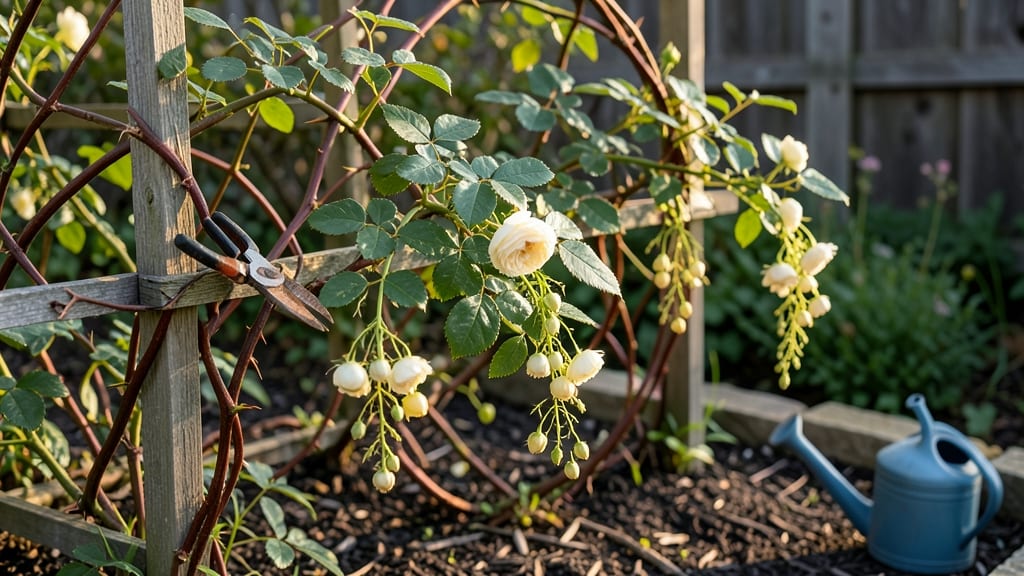
Winter-blooming roses like Lady Banks defy the season's chill with their fragrant clusters and velvety petals. 🌿 I've watched mine burst into bloom during December's crisp air, proving that cold weather can bring garden magic—when you know how to protect them.
These roses thrive in zones 6-9, where frost might threaten, but with the right care, they'll reward you with months of color when others are dormant.
The secret lies in mulching and wrapping. A thick layer of mulch (4-6 inches) insulates roots, while burlap or frost cloth wrapped loosely around the canes shields them from harsh winds. I've seen roses bloom through light frosts after this prep, their scent filling the air like nature's own perfume.
The key is timing: wrap after the first frost but before heavy freezes hit your area.
By spring, you'll find your Lady Banks roses revived and ready, their canes sturdy and their buds swelling. The blooms arrive earlier than most roses, giving you weeks of fragrant enjoyment before summer varieties take over.
Even in colder zones, with extra care, these roses can surprise you with late-winter blooms—proof that winter isn't the end of your garden's story.
Whether you're in a mild coastal zone or a frosty inland area, these roses adapt with the right protection. The payoff? A garden that stays vibrant when others sleep, filling your winter days with color and scent. Here's how to keep yours thriving through the cold months.
📚 In This Guide
- What you need
- Instructions
- Tips and common mistakes
- Wrapping up and next steps
What you need
- ● Lady Banks rose shrubs: Choose Rosa banksiae (or a cold-hardy cultivar like 'Loddon Ek' or 'The Fairy'). Opt for 1–3 plants depending on desired coverage.
- ● Well-draining soil: Mix 1 part compost with 2 parts garden soil (or use a rose-specific potting mix for containers).
- ● Sunlight: A spot with 6+ hours of sunlight daily (partial shade in hot climates).
- ● Watering can or hose: With a gentle spray nozzle to avoid damaging new growth.
- ● Mulch: 2–3 inches of organic mulch (e.g., wood chips or straw) to retain moisture and insulate roots.
- ● Garden trowel or shovel (for digging holes 12–18 inches wide/deep).
- ● Pruning shears (sterilized with rubbing alcohol to prevent disease).
- ● Gloves (to protect from thorns—thick leather or rose-specific gloves recommended!).
- ○ Stakes or trellis (optional but helpful for climbing varieties; use 4–6 ft tall supports).
- ● Balanced fertilizer (e.g., 10-10-10 or rose-specific food; apply 2–3 times per year).
- ● Epsom salt (1 tbsp/month in water for magnesium boost).
- ● Rose collars (to protect from winter pests if in Zone 6 or colder).
- ● Slow-release fertilizer spikes for low-maintenance nutrition.
- ● Garden journal to track blooms, pruning dates, and winter care tips!
Step-by-Step guide to planting and caring for Lady Banks roses
Here’s how to establish these winter-blooming beauties for years of fragrant, frost-resistant flowers.
🌱 Step 1: Choose the Perfect Planting Location
Lady Banks roses thrive in partial shade to full sun, but they’ll reward you with the most blooms in morning sun and afternoon shade—especially in hotter climates. I always plant mine where they get at least 4-6 hours of sunlight daily, but avoid harsh afternoon sun that can scorch delicate blooms in summer.
Select a spot with well-draining soil—these roses hate soggy roots. If your soil drains poorly, amend it with 3-4 inches of organic compost mixed into the top 12 inches of soil. The roots need room to spread, so space plants 8-10 feet apart for full, lush growth. I like to plant them near patios or walkways where their intoxicating fragrance can be enjoyed up close.
🪴 Step 2: Plant Bare-Root Roses for Strong Establishment
Plant bare-root roses in early spring or fall, when temperatures are cool but not freezing. Soak the roots in lukewarm water for 1-2 hours before planting to revive them. Dig a hole twice as wide as the root ball and 2 inches deeper than the roots—Lady Banks roses need depth to anchor properly.
Loosen the roots gently if they’re circling and position the plant so the graft union (swollen bump on the stem) sits 2-3 inches below soil level. This prevents damage from winter heaving. Backfill with native soil mixed with compost, tamping lightly to remove air pockets. Water deeply until the soil settles 2 inches below the rim of the hole. Mulch with 3 inches of organic mulch (like bark or straw) to retain moisture and protect roots.
☀️ Step 3: Provide Seasonal Care for Winter Blooms
Water deeply once a week during the first growing season, ensuring the soil stays evenly moist but not waterlogged. Lady Banks roses are drought-tolerant once established, but consistent moisture in their first year encourages strong root growth. In zones 6-9, they’ll bloom from late fall through winter, so avoid heavy pruning in late summer—you want to preserve next year’s flower buds.
Fertilize lightly in early spring with a balanced rose fertilizer (10-10-10) or compost. Too much nitrogen leads to leafy growth at the expense of blooms. I also add Epsom salt (1 tablespoon per plant) every 4-6 weeks in spring to boost magnesium, which enhances flower production. Watch for aphids or spider mites on new growth—spray with neem oil if you spot sticky residue on leaves.
✂️ Step 4: Prune for Health and Winter Hardiness
Prune once a year in late winter or early spring, just before new growth begins. Remove dead, diseased, or crossing branches first, then cut back remaining canes by one-third to encourage bushier growth. Lady Banks roses bloom on old wood, so avoid heavy pruning after summer—you’ll sacrifice next year’s flowers. I always sterilize my pruners with rubbing alcohol between cuts to prevent spreading disease.
Shape the plant to open the center for airflow, which reduces humidity-related diseases. In zones 5 and colder, mound 12 inches of mulch around the base in late fall to protect roots from freezing. The mulch acts like a blanket, insulating roots while allowing moisture to penetrate. Remove the extra mulch in early spring once growth resumes.
⏰ Step 5: Enjoy Year-Round Fragrance and Beauty
Lady Banks roses reward patience with fragrant, 3-inch blooms from fall through winter, often when little else is in bloom. Deadhead spent flowers in spring to encourage more blooms, but leave winter blooms—birds and pollinators love the nectar. I like to train them over arbors or trellises for a romantic, climbing display, but they also grow beautifully as shrubs.
With proper care, these roses live 20+ years, becoming a cherished part of the landscape. The key is consistent moisture, light feeding, and minimal pruning. Once established, they’re low-maintenance and drought-tolerant, making them perfect for gardeners who want elegance without fuss. Plant one near a seating area—you’ll love the intoxicating scent on cool evenings.
Tips & tricks for perfect Lady Banks rose planting
These simple yet game-changing insights will help your winter-blooming roses thrive for years to come.
Location Intelligence: When choosing your spot, pay attention to microclimates in your garden. The north side of a building or under deciduous trees provides ideal morning sun and afternoon shade. I once planted mine in full afternoon sun and lost half the blooms to scorching—don't make that mistake! Also, avoid planting near large shrubs that will compete for nutrients and water during the critical first year.
Root Revival Technique: That 1-2 hour root soaking in Step 2 is non-negotiable for bare-root roses. Use lukewarm water—cold water shocks the roots while hot water can damage them. I like to add a drop of mild liquid seaweed fertilizer to the soaking water to give the roots a gentle growth boost right from the start. This small step makes a surprisingly big difference in establishment success.
Mulching Strategy: The 3 inches of mulch mentioned in Step 2 is perfect for moisture retention, but here's the secret: apply it in a donut shape around the plant, leaving 2-3 inches of bare soil around the stem. This prevents rot while still protecting the roots. In colder zones, that extra 12 inches of mulch in late fall becomes your best friend—just remember to remove it in early spring once growth resumes to avoid suffocating the plant.
Pruning Insight: When you cut back those canes by one-third in Step 4, make your cuts just above an outward-facing bud. This encourages bushier growth and more flowers. I always prune on a dry day to reduce disease risk, and I never prune more than 30% of the plant at once—this helps maintain next year's blooms while still promoting healthy growth. Think of it as giving your rose a strategic haircut rather than a buzz cut!
Pro Tips for Lady Banks Rose In Winter
- These simple yet game-changing insights will help your winter-blooming roses thrive for years to come.
- Location Intelligence: When choosing your spot, pay attention to microclimates in your garden.
- Root Revival Technique: That 1-2 hour root soaking in Step 2 is non-negotiable for bare-root roses.
Frequently asked questions
Got questions about keeping your Lady Banks rose blooming beautifully in winter? Here are some common ones—and their answers!
Can Lady Banks roses survive harsh winter freezes?
A hardy evergreen shrub, Lady Banks roses can tolerate light frosts (down to 15°F) but may need protection in extreme cold. Mulch the base with straw or shredded leaves and wrap the canes in burlap for extra insulation. Prune lightly in late winter to encourage new growth.
When is the best time to prune for winter blooms?
Prune after the first hard frost (typically November–early December) to shape the shrub and remove dead wood. Avoid heavy pruning—just trim back overgrown branches by ⅓ to maintain airflow and encourage fragrant winter blooms. Pro tip: Use sterilized shears to prevent disease!
Why aren’t my Lady Banks roses blooming in winter?
Winter blooms may be sparse if the shrub lacks sunlight (6+ hours/day) or nutrients. Check soil pH (ideal: 6.0–6.5) and fertilize lightly with rose-specific food in early spring. Overwatering or poor drainage can also stunt blooms—ensure well-draining soil.
Are there winter-blooming alternatives to Lady Banks roses?
Yes! For year-round color, try:
- Camellias (disease-resistant, fragrant)
- Winter Jasmine (bright yellow blooms)
- Dwarf Lilac (compact, early spring blooms)
How do I protect Lady Banks roses from pests in winter?
Pests like aphids or spider mites can still thrive in winter. Spray the shrub with neem oil (mixed with water) in late fall to deter infestations. Remove fallen leaves/debris where pests hide. A light horticultural oil treatment in dormancy also helps.
Wrapping up and next steps
The Lady Banks rose is a winter wonderland in a shrub—its fragrant, velvety blooms bring color and joy when most gardens rest. Whether you’re drawn to its delicate beauty or its hardy resilience, this shrub is a must-have for gardeners who crave year-round charm.
Ready to transform your winter landscape? Start by selecting the perfect variety, prepping your soil, and giving it the love it deserves—your garden (and your senses!) will thank you.
🌸 Next step: Pick your favorite Rosa banksiae cultivar and sketch a cozy spot in your yard where it can shine—then watch the magic unfold!