
Shrubs
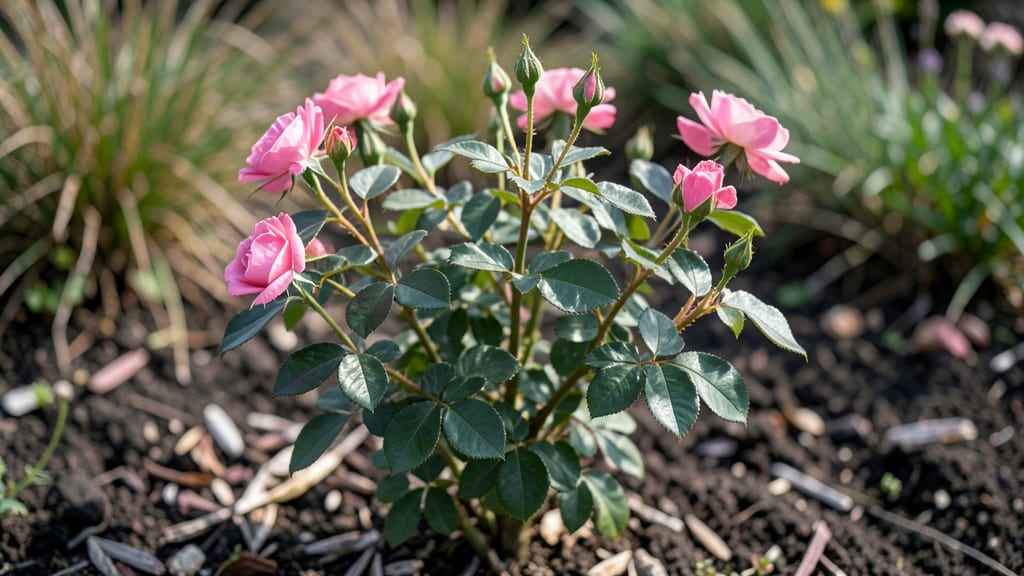
Miniature rose shrubs bring old-fashioned romance to tiny spaces—think velvety blooms the size of quarters and perfume that lingers even when you're not looking. 🌹 I've grown them in everything from window boxes to 15-gallon containers, and they never disappoint, especially when you pick the right variety for your climate.
The secret to happy miniature roses starts with soil that drains like a dream—amend heavy clay with compost or perlite, and avoid soggy roots at all costs.
These shrubs thrive in full sun (6+ hours daily) but tolerate partial shade, making them perfect for patios or urban balconies where space is tight. Choose disease-resistant varieties like 'Fairy' or 'Bonica' to skip the drama of mildew-prone roses.
By summer, you'll be pinching back leggy stems to encourage bushier growth, and come fall, a light pruning keeps them tidy without sacrificing next year's blooms. The best part?
They bloom continuously from spring frost to first hard freeze, filling your garden with color and scent that lasts. Even my black thumb can't kill these.
Whether you're filling a window box or adding height to a container garden, miniature roses deliver big impact with minimal fuss. Here's how to keep them thriving all season long—no green thumb required.
📚 In This Guide
- What you need
- Instructions
- Tips and common mistakes
- Wrapping up and next steps
What you need
- ● Miniature rose shrubs: Choose disease-resistant varieties like 'Fairy Tale,' 'Bonica,' or 'Baby Love.' Buy 3-5 plants for a fuller look.
- ● Well-draining soil: Mix 1 part potting soil with 1 part perlite or coarse sand (or use pre-mixed rose soil).
- ● Organic compost: 1-2 cups per plant to enrich the soil.
- ● Slow-release fertilizer: 10-10-10 or rose-specific formula (follow package instructions).
- ● Mulch: 2-3 inches of bark or wood chips to retain moisture and regulate temperature.
- ● Garden trowel or transplant spade (for digging holes).
- ● Pruning shears (sterilized with rubbing alcohol).
- ● Watering can or hose with a gentle spray nozzle (avoid soaking the soil).
- ● Gloves (to protect hands from thorns and soil).
- ○ Stakes or small cages (optional, for support if roses grow tall).
- ● A sunny location with at least 6 hours of direct sunlight daily.
- ● Proper spacing: Plant roses 12-18 inches apart in rows or clusters.
- ● Drainage: Ensure the planting area isn’t soggy (miniature roses hate "wet feet").
- ● Patience! Miniature roses may take 1-2 seasons to reach full bloom.
How to plant and care for miniature rose shrubs
These tiny powerhouses pack all the romance of classic roses into a space-saving package. Here's how to get them thriving.
🌱 Step 1: Choose the Perfect Planting Location
Miniature roses need at least 6 hours of direct sunlight daily for best blooms and fragrance. I always check the sunniest spot in my yard—even a small patio or balcony works if it gets morning sun. Avoid areas where water pools after rain, as soggy roots cause rot.
Test the soil by digging a 6-inch hole—it should drain well. If your soil feels compacted, mix in 2-3 inches of compost to improve drainage. Miniature roses have shallow root systems, so well-draining soil is non-negotiable. Here's the thing—if you see water standing for more than an hour after rain, amend the soil before planting.
🪴 Step 2: Plant at the Right Depth and Spacing
Dig a hole just as deep as the root ball and twice as wide to encourage outward root growth. Gently remove the rose from its container and loosen any circling roots with your fingers. Place it in the hole so the graft union (the bump near the base) sits 1 inch above soil level—this prevents disease.
Space your 4 miniature shrubs 12-18 inches apart in a square pattern. This gives each plant room to grow while creating a lush, cohesive look. Backfill with native soil mixed with 1 cup of slow-release rose fertilizer per plant. Water deeply until moisture reaches 6 inches down—you'll know it's right when the soil around the edges feels damp.
☀️ Step 3: Water and Mulch for First-Year Success
Water deeply 2-3 times per week during the first growing season, aiming for 1 inch of water per week. I use a soaker hose to deliver moisture slowly at the base—this prevents fungal diseases that thrive on wet foliage. Check soil moisture by sticking your finger 2 inches down; if it feels dry, water again.
Apply 2-3 inches of mulch around each plant, keeping it 2 inches away from the stem. Organic mulch like shredded bark conserves moisture and regulates soil temperature. In winter, add an extra 1 inch of mulch to protect roots from freeze-thaw cycles. Here's what I do—I top-dress with mulch in early spring and again after summer blooms fade.
✂️ Step 4: Prune for Bushiness and Continuous Blooms
Prune right after the first flush of blooms in spring to shape the plant and encourage more flowers. Remove any dead, crossing, or weak stems first—these compete with healthy growth. Then cut back remaining stems by one-third to a bud facing outward. This creates an open center that lets air circulate and prevents disease.
Deadhead spent blooms regularly throughout the season to redirect energy into new growth. I use clean, sharp pruners and dip them in rubbing alcohol between cuts to prevent spreading bacteria. In late fall, prune back one-quarter of the plant's height to prepare for winter dormancy. Never prune into old wood—always cut just above a healthy bud.
🌿 Step 5: Feed and Protect for Year-Round Health
Fertilize every 4-6 weeks during the growing season with a balanced rose fertilizer (10-10-10 ratio). I mix the granules into the top 2 inches of soil and water thoroughly to activate them. Stop fertilizing 6-8 weeks before your first frost—this lets the plant harden off naturally.
Watch for pests like aphids or spider mites, which love miniature roses. I spray with neem oil at the first sign of trouble—it's organic and safe for bees. For winter protection, wrap young plants in burlap or use a frost blanket if temperatures dip below 10°F. Mature plants usually handle winter fine, but a thick mulch layer gives them extra insurance.
Tips & tricks for perfect miniature rose shrubs
These little giants thrive with the right care—here's how to give them the best start and keep them blooming beautifully.
Sunlight Strategy: Those 6 hours of direct sunlight are non-negotiable for vibrant blooms and fragrance. If your yard has partial shade, choose the sunniest spot possible—even morning sun on a balcony works. I've seen miniature roses struggle in areas with afternoon shade, so always prioritize morning light exposure. The key is consistency: if your roses get less than 6 hours, they'll produce fewer blooms and weaker fragrance.
Soil Prep Secret: The 6-inch hole test for drainage is your best friend. If water pools after rain, you absolutely need to amend the soil with 2-3 inches of compost—this improves drainage and prevents root rot. I've learned the hard way that soggy soil is the #1 killer of miniature roses. For container growing, use a mix of potting soil and perlite to ensure excellent drainage from the start.
Watering Wisdom: Those 2-3 times per week waterings should deliver 1 inch of water total. The trick is deep watering—stick your finger 2 inches down and only water when it feels dry. I use a rain gauge to track weekly water amounts, and it's made all the difference in keeping my miniature roses healthy. Overwatering is just as bad as underwatering for these delicate plants.
Pruning Precision: When you're cutting back stems by one-third in Step 4, always cut just above a bud facing outward. This creates a natural, open growth habit that prevents disease and encourages more blooms. I mark my pruners with a permanent marker to ensure I'm making clean cuts at the right angle. And remember—never prune into old wood, as this can damage the plant's structure.
Pro Tips for Miniature Rose Shrubs
- These little giants thrive with the right care—here's how to give them the best start and keep them blooming beautifully.
- Sunlight Strategy: Those 6 hours of direct sunlight are non-negotiable for vibrant blooms and fragrance.
- Soil Prep Secret: The 6-inch hole test for drainage is your best friend.
Frequently asked questions
Got questions about miniature rose shrubs?
You’re not alone! Here are answers to the most common queries to help you grow confidently—whether you’re a first-time gardener or a seasoned green thumb.
How often should I water miniature rose shrubs?
Water them deeply 1-2 times per week, ensuring the soil is moist but not soggy. Newly planted shrubs need more frequent watering (every 2-3 days) until established. Mulch around the base to retain moisture—just keep it 2-3 inches away from the stem to prevent rot.
When is the best time to prune miniature rose shrubs?
Prune in early spring (before new growth starts) or late winter to shape the shrub and encourage blooms. Avoid heavy pruning in fall—just remove dead or diseased branches. Use sterilized shears and cut at a 45-degree angle just above a bud. Pro tip: Deadhead spent blooms all season to prolong flowering!
Do miniature rose shrubs need full sun?
They thrive in full sun (6+ hours daily), but they can tolerate partial shade (4-6 hours)—especially in hot climates. In shadier spots, blooms may be fewer, but the foliage stays lush. If growing in containers, ensure they get at least morning sun for optimal health.
What pests commonly affect miniature rose shrubs?
Watch for aphids, spider mites, and Japanese beetles. Spray with neem oil or insecticidal soap for mild infestations. For beetles, handpick them early in the day when they’re sluggish. Preventative tip: Encourage beneficial insects like ladybugs by planting companion flowers like marigolds!
Can I grow miniature rose shrubs in containers?
Choose a container at least 12-15 inches deep with drainage holes. Use a well-draining potting mix (like a 50/50 blend of soil and perlite) and repot every 2-3 years. Dwarf varieties like ‘Fairy’ or ‘Bonica’ are perfect for pots—just ensure they get enough sunlight!
Wrapping up and next steps
Miniature rose shrubs bring timeless charm and low-maintenance beauty to any garden, offering fragrant blooms in a compact package. Whether you’re a seasoned gardener or just starting out, these versatile shrubs are perfect for adding color, texture, and a touch of romance to patios, borders, or containers.
Ready to transform your outdoor space? Start small—plant a miniature rose today!
Next steps:
- Choose your favorite variety from our guide.
- Pick up supplies (or check your stash!) and get planting.
- Share your progress with #MiniatureRoseLove for inspiration!