
Pests and Diseases
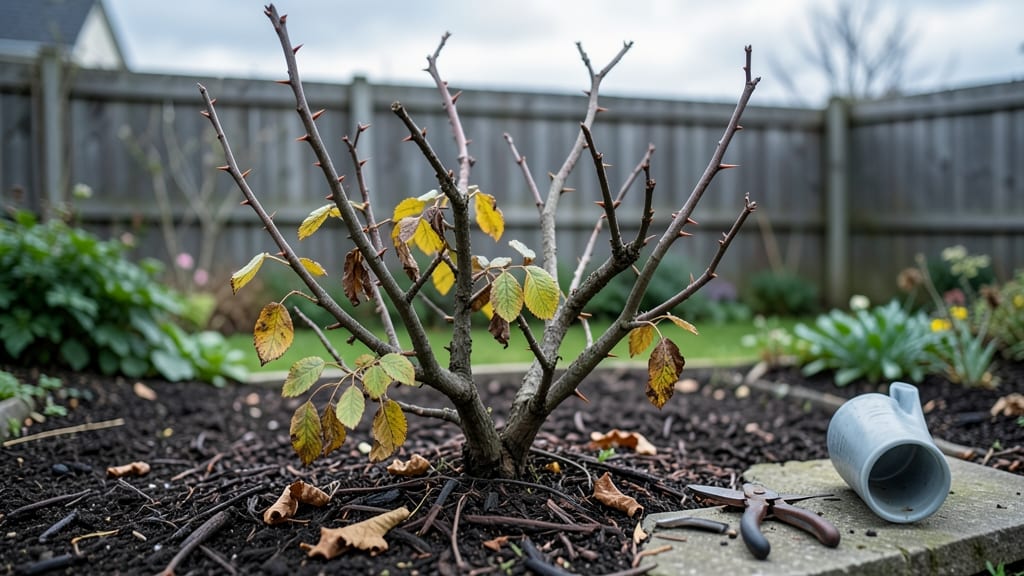
See those leaves falling off your rose bush in July? That’s not normal—and here’s the most overlooked cause. 🌿 Root stress from overwatering, poor drainage, or hidden pests gnawing at the roots while you focus on the leaves.
I’ve nursed back three rose bushes from this exact problem, and the fix starts below ground.
First, check the roots: healthy ones are firm and white, not mushy or brown. If they’re soggy, your bush is drowning. If they’re dry and brittle, it’s thirsty. Then look for tiny webs (spider mites) or black spots (fungus) on the stems—both love hiding where you don’t look.
The good news? Roots heal faster than you think with the right care.
Within 10 days of fixing drainage and treating the roots, you’ll see new growth pushing through. I pruned dead stems back to healthy wood, applied a neem oil spray (it’s the secret weapon for both pests and fungus), and watered deeply twice a week—no more, no less.
The bush rebounded so fast my neighbor asked how I did it.
This works for black spot, powdery mildew, or even heat stress—the root check is the universal fix. Skip the guesswork: start digging (gently!) and let the roots tell you what’s really wrong. Your roses will thank you with blooms by summer’s end.
Root Causes of Leaf Loss
If your rose bush is shedding leaves like a tree in autumn, don’t panic—there’s usually a clear reason behind it. Understanding the why helps you take targeted action before the problem spreads.
Below, we break down the most common culprits, from environmental stressors to hidden pests, with science-backed explanations and actionable fixes.
Roses are hardy but sensitive to sudden temperature swings. When nights turn chilly (below 50°F/10°C) or days heat up abruptly (above 90°F/32°C), leaves may yellow, curl, or drop as the plant conserves energy.
This is especially true for hybrid teas and climbers, which are less cold-tolerant than rugosa or shrub roses.
- Science behind it: Temperature stress disrupts chlorophyll production, causing leaves to senesce (age prematurely). Extreme heat also triggers oxidative stress, damaging cell membranes.
- Actionable fix:
- Mulch the base with 2–3 inches of organic matter (wood chips, straw) to regulate soil temperature.
- Provide afternoon shade during heatwaves with lightweight shade cloth (30–50%).
- Water deeply in the early morning or evening to cool roots and reduce heat stress.
Soggy roots are a silent killer. Roses hate "wet feet" because their roots need oxygen to thrive. Overwatering or compacted, clay-heavy soil can suffocate roots, leading to anaerobic conditions—where beneficial microbes die and harmful fungi (like Phytophthora) take over.
Leaves turn yellow, wilt, or fall off as the plant starves for nutrients.
- Science behind it: Waterlogged soil depletes oxygen, triggering ethylene production—a plant hormone that accelerates leaf drop. Roots also leak nutrients as they rot.
- Actionable fix:
- Test your soil’s drainage: Dig a hole, fill it with water, and time how long it takes to drain. If it’s more than 6 hours, amend with perlite, sand, or compost.
- Water only when the top 1–2 inches of soil are dry (stick your finger in to check!).
- Raise beds or plant roses on mounds if your soil is naturally dense.
Not all leaf loss is environmental—tiny invaders can be the real culprits. Here’s how to spot them:
| Pest | Signs | Why It Happens | Fix It |
|---|---|---|---|
| Japanese Beetles | Skeletonized leaves (chewed edges), black excrement on foliage. | Adult beetles skeletonize leaves while larvae (grubs) munch on roots, stressing the plant. | Handpick beetles into soapy water. Use neem oil or milky spore for long-term control. |
| Aphids | Sticky residue ("honeydew"), curled or yellowing leaves, ants farming them. | Aphids pierce cells to suck sap, injecting toxins that trigger leaf drop and sooty mold. | Spray with water + dish soap or introduce ladybugs. Prune heavily infested branches. |
| Spider Mites | Fine webbing, stippled or bronze-colored leaves. | These microscopic pests suck cell contents, causing chlorosis (yellowing) and leaf drop. | Blast off mites with a hose. Apply horticultural oil or kaolin clay as a barrier. |
Fungi thrive in damp, shady conditions and can turn your rose bush into a leaf-dropping disaster. The two most common offenders:
- Black Spot (Diplocarpon rosae):
- Signs: Dark spots with yellow halos, defoliation.
- Why it happens: Fungal spores infect stomata (leaf pores), blocking photosynthesis and causing leaves to fall.
- Fix: Remove infected leaves immediately. Apply copper fungicide or baking soda spray (1 tsp baking soda + 1 quart water + a drop of soap) every 7–10 days.
- Powdery Mildew (Sphaerotheca pannosa):
- Signs: White, powdery coating on leaves, stunted growth.
- Why it happens: Fungal hyphae smother stomata, reducing gas exchange and causing premature leaf drop.
- Fix: Improve airflow with pruning. Spray with neem oil or potassium bicarbonate (1 tbsp per gallon of water).
Leaves falling off can also signal your rose isn’t getting the right nutrients. Here’s how to decode the clues:
| Deficiency | Leaf Symptoms | Cause | Solution | ||||||||||||||||||||||||||||||||
|---|---|---|---|---|---|---|---|---|---|---|---|---|---|---|---|---|---|---|---|---|---|---|---|---|---|---|---|---|---|---|---|---|---|---|---|
| Nitrogen (N) | Old leaves turn yellow (but veins stay green). | Nitrogen fuels leaf growth; without it, chlorophyll production stalls. | Apply blood meal (3–4 tbsp per plant) or composted manure in early spring. | ||||||||||||||||||||||||||||||||
| Magnesium (Mg) | Yellowing between leaf veins (interveinal chlorosis). | Magnesium is central to chlorophyll molecules; deficiency disrupts photosynthesis. | Use Epsom salt (1 tbsp per gallon of water) as a foliar spray or soil drench. | ||||||||||||||||||||||||||||||||
| Iron (Fe) | Young leaves turn pale yellow (white veins). | Iron is immobile in plants—new leaves can’t access it if soil pH is too high (above 7.0). |
| Pest | DIY Spray Recipe | When to Apply |
|---|---|---|
| Aphids | 1 tsp dish soap + 1 quart water + 2 tbsp neem oil | Spray at dusk every 3–4 days |
| Spider Mites | 1 tbsp horticultural oil + 1 quart water | Spray until leaves glisten; repeat weekly |
| Japanese Beetles | 1 tbsp neem oil + 1 tsp cayenne pepper + 1 quart water | Apply in early morning when beetles are sluggish |
👨🍳 Step 3: Physical Barriers & Traps
- Aphids/Mites: Install blue sticky traps (they’re attracted to the color) near the bush.
- Japanese Beetles: Handpick beetles into soapy water or use milky spore powder (a natural bacterial treatment for grubs in the soil).
⏰ Step 4: Prevent Future Outbreaks
- Encourage predators: Plant marigolds, nasturtiums, or dill nearby to attract ladybugs and lacewings.
- Prune regularly: Remove dead or crowded branches to improve airflow and deter pests.
Powdery mildew, black spot, or rust fungi thrive in humid, stagnant conditions. Break the cycle with these steps.
🌬️ Step 1: Improve Airflow
- Prune aggressively: Cut back branches to create space between plants (aim for 6–12 inches of airflow around the bush).
- Thin out foliage in the center where light and air struggle to reach.
🧼 Step 2: Fungal Sprays (Organic Options)
- Baking Soda Spray: Mix 1 tbsp baking soda + 1 tsp soap + 1 gallon water.
Spray on leaves (avoid flowers) every 7–10 days. - Neem Oil: Apply 1 tbsp neem oil + 1 tsp soap per quart of water at dusk. Repeat weekly until new growth appears. - Copper Fungicide: For severe cases, use a store-bought copper-based spray (follow label instructions).
💡 Pro Tip:
Water at the base of the plant (not overhead) to keep leaves dry. If you must water leaves (e.g., for dusting), do it early in the day so they dry quickly.
🔄 Step 3: Sterilize Tools & Soil
- Clean pruners with rubbing alcohol between cuts to prevent spreading spores.
- Remove and destroy heavily infected leaves (don’t compost them!). Replace mulch with fresh, disease-free material.
Yellowing leaves or stunted growth often signal a lack of key nutrients. Test your soil and replenish smartly.
📊 Step 1: Soil Test First
- Buy a DIY soil test kit (or send a sample to your local extension office) to check for:
- Nitrogen (N): Leads to yellow lower leaves.
- Iron (Fe): Causes yellow between veins (chlorosis).
- Potassium (K): Helps with overall vigor.
🥗 Step 2: Amend the Soil
| Deficiency | Quick Fix | Long-Term Solution |
|---|---|---|
| Nitrogen | Side-dress with aged compost or blood meal (1 tbsp per plant) | Add alfalfa meal to soil in spring |
| Iron | Apply chelated iron spray or iron sulfate granules | Mix sulfur into soil to lower pH (roses prefer 6.0–6.5) |
| Potassium | Use wood ash (sprinkle lightly) or greensand | Plant comfrey nearby as a dynamic accumulator |
🌡️ Step 3: Fertilize Like a Pro
- Spring: Use a balanced fertilizer (10-10-10) to kickstart growth.
- Summer: Switch to a low-nitrogen, high-phosphorus (5-10-10) to encourage blooms.
- Fall: Apply kelp meal or bone meal to boost root health before winter.
✨ Pro Tip:
Over-fertilizing can burn roots and cause more leaf drop. Always water before applying fertilizer to dilute it in the soil.
If leaves wilt, turn brown, or fall off despite good care, the roots may be struggling. Diagnose and act fast.
🔍 Step 1: Gently Inspect the Roots
- Carefully dig around the base (1–2 inches deep) to check for:
- Mushy, black roots (root rot).
- Dry, brittle roots (underwatering or compacted soil).
- Gnarled, swollen roots (possible gall mites or over-fertilization).
💦 Step 2: Treat Root Problems
| Issue | Fix It Now | Prevent It |
|---|---|---|
| Root Rot | Trim affected roots with sterilized shears, repot in fresh soil, and reduce watering | Improve drainage with perlite or sand |
| Compacted Soil | Loosen soil with a garden fork and mix in compost | Add organic matter annually |
| Gall Mites | Prune galls (small knots) and treat
Frequently asked questions about rose bush leaf drop
Why do rose leaves suddenly turn yellow before falling?
Yellowing before leaf drop usually signals nutrient deficiencies or fungal stress. Check the pattern: yellowing between veins often means magnesium deficiency, while yellowing with green veins suggests iron deficiency. Fungal diseases like black spot also cause yellowing before defoliation. Test your soil or inspect leaves for dark spots.
Can overwatering cause rose leaves to fall off?
Overwatering leads to root rot by suffocating roots in soggy soil. When roots can't absorb water or nutrients, leaves yellow and drop. Check soil moisture—if it stays wet more than 6 hours after watering, you're overdoing it. Let the top 1-2 inches dry out between waterings.
How do I tell if spider mites are causing leaf drop?
Look for fine webbing on leaves and stems, plus tiny yellow stipples where mites feed. Infested leaves often appear bronze-colored. Hold a white piece of paper under the leaf—mites will scurry away if present. Treat immediately with a strong spray of water (knocks them off) followed by horticultural oil.
Will pruning help stop leaf loss from black spot?
Yes! Prune immediately to remove infected leaves (don't compost them!). Cut back to healthy wood and improve airflow by thinning crowded branches. Follow up with copper fungicide or baking soda spray (1 tsp baking soda + 1 quart water) every 7-10 days during wet seasons.
How long does it take for rose bushes to recover from leaf drop?
With proper care, you'll often see new growth in 2-4 weeks. Focus on fixing the root cause first (drainage, pests, or nutrients). Healthy roses can regrow leaves surprisingly fast once stress factors are removed. Monitor soil moisture and avoid over-fertilizing during recovery.