
Plants
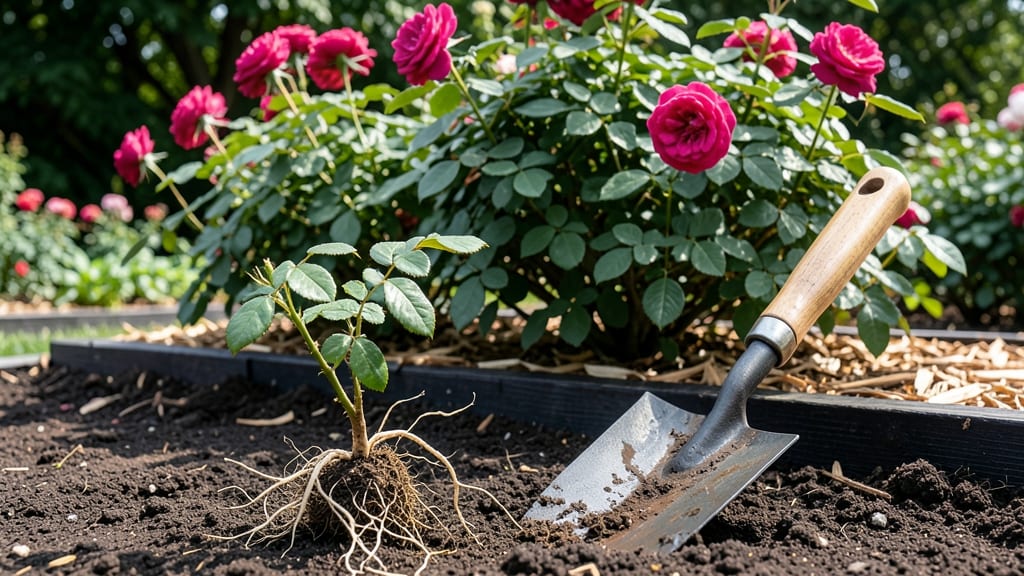
Planting roses in New York at the right time means the difference between vibrant blooms all season and struggling plants that barely survive.
Timing your rose planting in New York isn’t just about avoiding frost—it’s about unlocking vibrant blooms that last from the first spring flush to the final autumn bloom. Whether you're in the Hudson Valley or the Finger Lakes, getting the window right ensures your 🌹 thrives.
Most gardeners in zones 5b-7a focus on spring planting, but fall offers a second chance for hardier varieties. The key? Soil temperature, frost-free dates, and choosing the right time for bare-root vs. container-grown roses.
Below, I’ll break down the exact planting windows for your zone, plus 5 critical factors that determine success—so you can skip the guesswork and start growing roses that wow.
New York’s rose planting zones: exact timing by USDA Zone
New York’s diverse climate—from the Adirondack Mountains to Long Island’s coastal breezes—creates unique planting windows for roses. Whether you’re in USDA Zone 5b (like the Hudson Valley) or Zone 7a (parts of Long Island), timing matters.
Plant too early, and frost will damage tender roots; too late, and your roses won’t establish before winter. The key? Align planting with soil temperatures and frost-free dates specific to your region.
For bare-root roses, the ideal window is narrow: April 15–May 15 in spring or September 1–October 15 in fall. Container-grown roses offer more flexibility, allowing planting up to 6 weeks before the first frost.
Below, I’ve broken down the exact timing for New York’s most common zones, including how to calculate your local frost-free dates and adjust for microclimates like urban heat islands or sheltered valleys.
🌹
Your local frost-free date is the golden number—plant bare-root roses 2–4 weeks before this date to give roots time to establish. For example, if your last frost is May 1, aim for a April 15 planting. Use the National Weather Service’s frost calculator to pinpoint your exact date.
For container-grown roses, flexibility increases. These can go in the ground up to 6 weeks before the first frost, as their roots are already established. However, avoid planting during heatwaves (above 85°F) or when soil temps exceed 70°F, which stresses roots.
In Zone 7a (like Long Island), this means late April for spring or early October for fall.
🌿
Microclimates throw a wrench into general guidelines. A south-facing wall can add 1–2 weeks to your growing season, while a shady valley may delay planting by the same. Urban areas like New York City often see later frosts due to heat retention, so adjust your timeline by 1 week.
Always check 3-year averages—not just last year’s frost date—to account for climate variability.
Pro tip: If you’re unsure about your zone, use the USDA Plant Hardiness Zone Map and cross-reference with local gardeners’ reports (check Facebook groups or Cooperative Extension offices).
For instance, Ithaca’s Zone 6a gardeners often plant Knock Out roses by April 20, while Albany’s Zone 6b gardeners wait until April 25.
✂️
5 Critical factors that determine your ideal rose planting date
Planting roses in New York isn’t a one-size-fits-all task—it’s a delicate balance between soil temperature, frost risk, and your local microclimate. While many gardeners default to calendar dates, the real secret lies in understanding these five critical factors that can make or break your rose’s success.
Ignoring them might leave you with stunted growth or frost-damaged blooms before they even begin.
For example, a New York City urban garden in Zone 7a can plant roses weeks earlier than a rural farm in the Adirondacks (Zone 5b) due to the heat island effect. Meanwhile, soil that’s still too cold (below 50°F) will shock roots, no matter what the calendar says.
Let’s break down each factor so you can pinpoint the perfect moment for your roses to thrive.
Soil Temperature Threshold
Wait until soil reaches 50°F+ at 6-inch depth. Cold soil stunts root growth—use a soil thermometer to check. In NY, this typically aligns with mid-April to early May for spring planting.
Last Frost Date (2024 NY Data)
NY’s last frost varies: April 15 (NYC) vs. May 10 (Adirondacks). Check NOAA’s 2024 frost maps—planting 2-3 weeks after the average last frost ensures safety for tender roots.
Moisture Availability
Roses need consistent moisture post-planting. Aim for 1-1.5 gallons per plant weekly. Fall-planted roses (Sept-Oct) benefit from NY’s higher humidity, reducing transplant shock.
Microclimate Adjustments
Urban areas (e.g., Brooklyn) can plant 1-2 weeks earlier due to heat islands. Rural zones (e.g., Catskills) may delay until soil warms fully. Observe your yard’s sun exposure and wind patterns.
Rose Type Hardiness
Knock Out roses tolerate Zone 4, while hybrid teas thrive in Zone 6+. Match your variety to your zone—plant hardy roses earlier (March-April) and tender types later (May-June).
Let’s say you’re in Albany (Zone 6a) and eager to plant in spring. You’d wait until late April when soil hits 50°F and the last frost is behind you—typically April 22 based on 2024 data.
But if you’re in Buffalo (Zone 6b), you might push to early May due to colder nights. The key is monitoring local conditions, not just following a generic calendar.
For fall planting, aim for 6-8 weeks before your first frost (early September in most of NY). This gives roots time to establish before winter. In Zone 5b (e.g., Syracuse), this means planting by September 15—any later, and frost may damage new growth.
Pro tip: Mulch heavily after fall planting to insulate roots.
Don’t overlook moisture levels either. Roses planted in dry soil struggle to establish roots, even if temperatures are ideal. In Long Island’s sandy soils, water deeply every 3-4 days for the first month, while clay-heavy soils in the Hudson Valley may only need weekly watering.
Adjust based on rainfall—NY’s unpredictable spring showers can throw off your schedule.
Finally, microclimates are your secret weapon. A south-facing wall in NYC can create a 5°F warmer zone than your front yard, allowing earlier planting. Conversely, windy exposed areas (like the Adirondack peaks) delay planting until soil warms fully. Use windbreaks or plant near structures to protect tender new shoots.
Master these five factors, and you’ll transform your rose planting from a guesswork gamble into a precision-grown success. Your roses will reward you with