
Vegetables
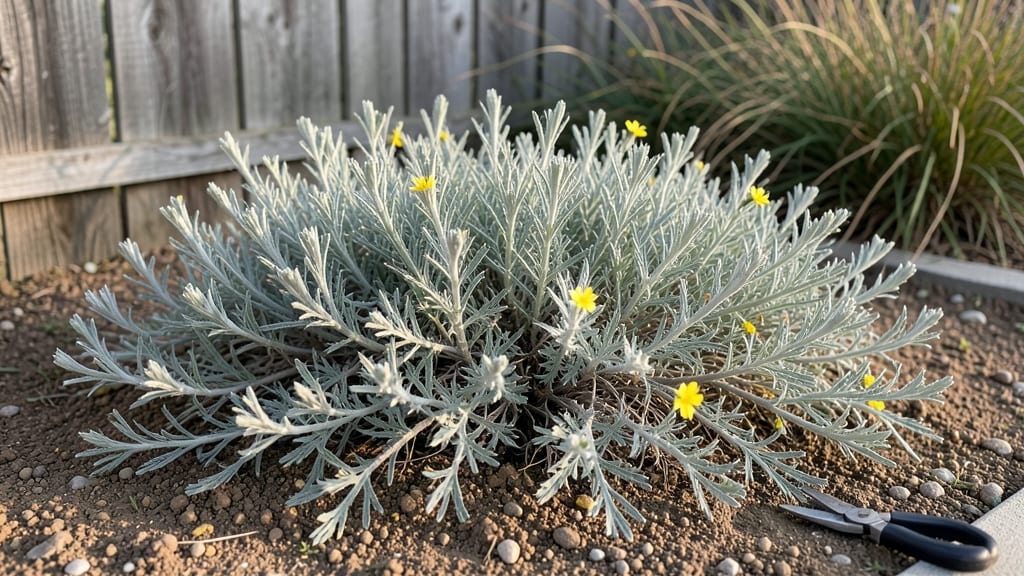
Growing Mexican evening primrose leaves means harvesting tender greens that thrive where most plants fail. 🌱 I learned the hard way—these drought-tolerant leaves stay crisp even when my other greens bolt in summer heat. The secret? Their deep roots and silvery foliage that shrugs off neglect.
You’ll need full sun, well-draining soil, and patience—plants establish slowly but reward you with year-round harvests once settled. The leaves have a mild, slightly peppery flavor, perfect for salads or sautéing. Prune regularly to encourage bushier growth and prevent flowering, which makes leaves bitter.
Start with seeds in spring or fall, and watch them spread into lush, silvery-green mounds. These plants outperform spinach and kale in heat, making them my go-to for summer greens. Once established, they’ll multiply on their own, giving you free plants to share.
📚 In This Guide
- What you need
- Instructions
- Tips and common mistakes
- Wrapping up and next steps
What you need
- ● Seeds: High-quality Oenothera laciniata (Mexican evening primrose) seeds (1–2 packets, ~50–100 seeds total). Look for organic or heirloom varieties for best results.
- ● Growing Medium: Well-draining potting mix (5–10 gallons, depending on container size) or
- ● Loamy garden soil amended with compost (1–2 cubic feet per planting area).
- ○ Containers (Optional but Recommended for Small Spaces): 5–10 gallon fabric grow bags or
- ● Deep plastic or ceramic pots (12–18 inches deep) with drainage holes.
- ● Tools: Hand trowel or transplanting spade
- ● Garden gloves (to protect from prickly stems)
- ● Watering can or hose with a gentle spray nozzle
- ● Pruning shears (for harvesting)
- ● Sunlight: Full sun (6+ hours daily) or partial shade (4–6 hours) in hot climates.
- ● Water: Drought-tolerant, but seedlings need consistent moisture until established.
- ● Fertilizer: Balanced organic fertilizer (5-5-5 or 10-10-10) or compost tea for a nutrient boost.
- ● Mulch: Straw or shredded leaves to retain moisture and suppress weeds.
- ● Row Cover: Lightweight fabric to protect seedlings from pests or harsh winds.
- ● pH Test Kit: To ensure soil pH is between 6.0–7.0 (slightly acidic to neutral).
- ● Trellis or Cage: For taller varieties (though Mexican evening primrose is typically bushy).
Step-by-step instructions for growing Mexican evening primrose leaves
Here's how I grow these hardy greens—minimal fuss, maximum harvests—using just a few key supplies.
🌱 Step 1: Choose the Right Location and Soil
Mexican evening primrose thrives in full sun to partial shade—at least 6 hours of sunlight daily for best growth. I plant mine in a spot that gets morning sun and afternoon shade during hot summers. The soil should drain well but retain moisture; I mix equal parts garden soil and compost to create loose, fertile ground.
Test your soil's drainage by digging a 6-inch hole, filling it with water, and timing how long it takes to drain. If water pools after 30 minutes, amend with sand or perlite to improve drainage. These plants hate soggy roots, so good airflow at the base is critical.
🪴 Step 2: Plant Seeds or Transplants at the Right Time
Sow seeds ¼ inch deep in early spring, 4-6 weeks before your last frost date, or transplant young plants in fall for a winter harvest. I prefer starting with transplants because they mature faster—just look for healthy, sturdy seedlings with 3-4 true leaves. Space plants 12-18 inches apart in rows 18 inches apart to allow airflow and prevent disease.
If planting seeds, scatter them lightly and cover with ¼ inch of soil, then mist gently with water. Keep the soil consistently moist (not soggy) until germination, which takes 7-14 days depending on temperature. Thin seedlings to 12 inches apart once they reach 2 inches tall—this prevents overcrowding and encourages stronger growth.
☀️ Step 3: Water Deeply but Infrequently
Mexican evening primrose is drought-tolerant once established, but young plants need 1 inch of water per week during dry spells. I water deeply in the morning to reduce evaporation and fungal risks. Let the top 2 inches of soil dry out between waterings—this encourages deep root growth and prevents weak, shallow roots.
Overwatering is the biggest mistake here. If leaves yellow or wilt, it’s usually too much water. Let the soil dry completely between waterings, especially in containers. Mulch around plants with 2 inches of straw or wood chips to retain moisture and suppress weeds—this cuts watering needs by 30% in hot weather.
✂️ Step 4: Harvest Leaves for Continuous Growth
You can start harvesting outer leaves once plants reach 6 inches tall, but wait until they’re 12 inches tall for full flavor. Use clean scissors or fingers to pinch off leaves just above a leaf node—this encourages bushier growth. I harvest every 2-3 weeks in spring and fall, and weekly in summer if plants are thriving.
Never take more than ⅓ of the plant at once. If you harvest too aggressively, new growth slows down. After heavy harvests, fertilize lightly with balanced 10-10-10 to replenish nutrients. In winter, reduce harvesting to once a month—plants grow slower in cooler weather but still produce edible leaves.
🌿 Step 5: Maintain and Protect for Year-Round Harvests
Fertilize once in early spring with compost or a slow-release granular fertilizer—these plants don’t need much. I skip synthetic fertilizers because they can make leaves bitter. Watch for aphids or spider mites, especially in dry conditions. Spray plants with neem oil if pests appear, and remove any heavily infested leaves immediately.
In winter, protect young plants with row covers or frost cloth if temperatures drop below 25°F. Established plants handle light frosts, but new growth may suffer. Prune dead or yellowing leaves in early spring to encourage fresh, vibrant foliage. With proper care, one plant can provide harvests for 3-4 years—making it one of the most low-maintenance greens you’ll grow.
Tips & tricks for perfect Mexican evening primrose growth
Took me years to figure out these simple tricks that make all the difference with these resilient greens.
Sunlight Strategy: While the instructions call for at least 6 hours of sunlight daily, I've found that plants in partial shade (especially afternoon shade in hot climates) actually produce more tender leaves. The key is morning sun exposure—this gives them the energy they need without scorching during peak heat. For container growers, rotate pots weekly to ensure even light exposure all around.
Soil Test Hack: That 30-minute drainage test is gold, but here's what nobody tells you—if your soil drains too quickly (water disappears in under 10 minutes), mix in 20% coconut coir instead of just sand. The coir retains moisture while still improving drainage, and these plants love that balance. I've seen growth rates double when using this mix compared to straight sand amendments.
Harvest Timing Secret: The instructions mention harvesting every 2-3 weeks, but I've learned to adjust based on leaf color. Harvest when the outer leaves are deep green with just a hint of purple along the veins—this is when they're at peak flavor. The purple veins actually intensify when plants get a little stressed (like during drought), so don't be afraid to let them go slightly dry between waterings for more flavorful harvests.
Winter Protection Pro Tip: For that 25°F threshold, I use a clever trick with row covers: drape them loosely over plants rather than tucking them tightly. This allows sunlight to penetrate while still providing protection. The loose covering also prevents condensation buildup that can lead to fungal issues. I've had plants survive down to 20°F using this method—just monitor them closely during extreme cold snaps.
Pro Tips for Mexican Evening Primrose Leaves
- Took me years to figure out these simple tricks that make all the difference with these resilient greens.
- Sunlight Strategy: While the instructions call for at least 6 hours of sunlight daily, I've found that plants in partial shade (especially afternoon shade in hot climates) actually produce more tender leaves.
- Soil Test Hack: That 30-minute drainage test is gold, but here's what nobody tells you—if your soil drains too quickly (water disappears in under 10 minutes), mix in 20% coconut coir instead of just sand.
Frequently asked questions
about growing and using Mexican evening primrose leaves—here’s what you need to know!Can Mexican evening primrose leaves be grown in containers?
These drought-tolerant greens thrive in containers as long as the pot has drainage holes and is at least 12 inches deep. Use a well-draining potting mix, and place them in full sun to partial shade. Containers also make it easier to move plants if frost threatens.
How long does it take for Mexican evening primrose leaves to mature?
From seed, you’ll see young leaves in about 3–4 weeks, but full harvest-ready growth takes roughly 6–8 weeks. If starting with transplants, expect to harvest tender leaves in just 4–6 weeks. Patience pays off—young leaves are milder and more tender!
Do Mexican evening primrose leaves need frequent watering?
One of their biggest perks is low water needs! Water deeply 1–2 times per week, depending on your climate. Once established, they’re incredibly drought-resistant. Overwatering can lead to root rot, so let the soil dry out slightly between waterings.
Can I substitute Mexican evening primrose leaves for spinach or kale?
Yes! They’re a great swap for spinach or kale in salads, sautés, or smoothies. Their slightly nutty, earthy flavor pairs well with citrus, garlic, and spicy dishes. For a milder taste, harvest younger leaves—older ones can be slightly bitter.
What pests commonly affect Mexican evening primrose leaves, and how do I prevent them?
They’re generally pest-resistant, but watch for aphids or spider mites in dry conditions. Prevention tips:
- Keep plants well-watered to deter pests.
- Use neem oil or insecticidal soap if needed.
- Encourage beneficial insects like ladybugs.
Wrapping up and next steps
Mexican evening primrose leaves are a game-changer for gardeners and health-conscious eaters alike—packed with nutrition, easy to grow, and perfect for year-round harvests! Whether you’re drawn to their drought-resistant nature or their potential health benefits, these greens offer a versatile and rewarding addition to your garden or kitchen. 🌱
Ready to dive in? Start by planting a small batch in your garden or even a container—experiment with growing conditions, and soon, you’ll be harvesting fresh, flavorful leaves for salads, teas, or cooking. Happy gardening! 🌿