
Shrubs
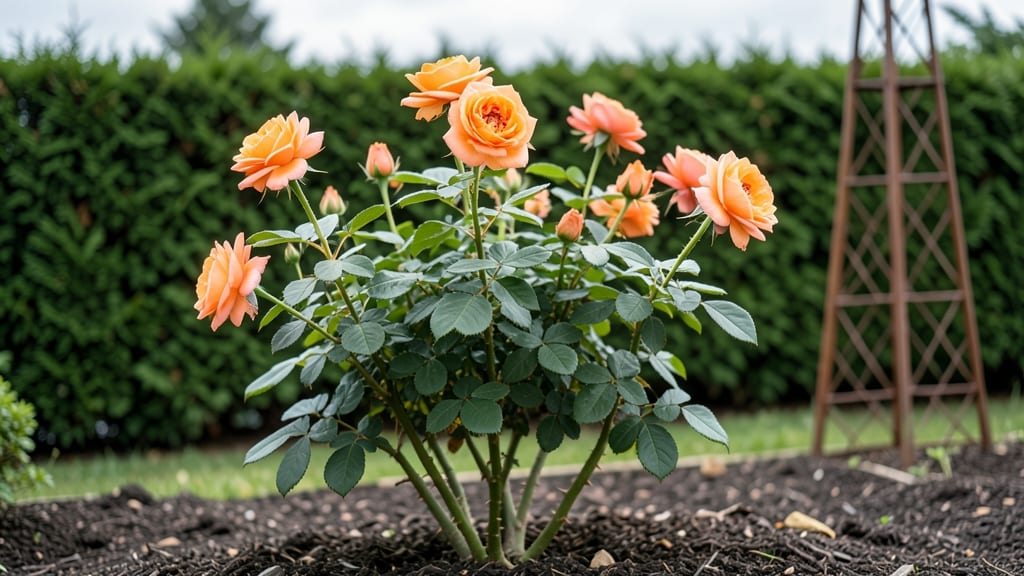
Orange-colored rose bushes are the sun-kissed stars of any garden, turning dull spaces into radiant focal points. 🌻 Their fiery blooms demand attention—whether you're creating a bold flower bed, a soft border, or a dramatic centerpiece.
I’ve seen them transform tired backyards into summer retreats with just a few well-placed bushes. These roses pair beautifully with purple clematis or lavender for a regal contrast, or with golden foliage plants like ornamental grasses for a sun-drenched look.
The key is placing them where they’ll get at least 6 hours of sunlight daily—morning sun and afternoon shade works best in hot climates to prevent wilting. With proper pruning (just 3 clean cuts per season), they’ll reward you with nonstop blooms from spring through fall.
The secret? Deadheading spent flowers and feeding them organic compost every spring to keep those vibrant hues popping. Perfect for cottage gardens, modern landscapes, or even container displays on patios. Let’s make your garden the talk of the neighborhood!
📚 In This Guide
- What you need
- Instructions
- Tips and common mistakes
- Wrapping up and next steps
What you need
- ● Orange rose varieties: Choose from ‘Orange Triumph,’ ‘Mister Lincoln,’ or ‘Tea Dance’ (3–5 plants for full impact).
- ● Well-draining potting mix: 50 lbs of organic garden soil + compost (20 lbs) for nutrient-rich soil.
- ● Fertilizer: Balanced rose fertilizer (10-10-10 or 5-10-5) or organic options like fish emulsion.
- ● Mulch: 2–3 inches of wood chips or straw to retain moisture.
- ● Pruning shears: Sharp, sterilized shears (for shaping and deadheading).
- ● Gloves & long sleeves: Protect against thorns (thick gardening gloves recommended!).
- ● Trowel or spade: For digging holes (6–8 inches deep for bare-root roses).
- ● Watering can or hose: With a gentle spray nozzle (roses hate soggy roots!).
- ● Stakes or cages: 4–6 ft tall metal or bamboo supports (essential for climbing varieties).
- ○ Epsom salt: 1 tbsp per plant (optional, boosts magnesium for vibrant blooms).
- ● Pest control: Neem oil or insecticidal soap (preventative measure).
- ○ Sunlight tracker: Optional light meter to ensure 6+ hours of sun daily.
How to grow and maintain stunning orange roses year-round
Here’s my go-to approach for cultivating vibrant orange roses that keep blooming through every season.
🌱 Step 1: Select the Right Orange Rose Varieties
Not all orange roses are created equal—some lean more peach or apricot, while others pack true fiery orange blooms. I always reach for ‘Mister Lincoln’ (a classic deep orange) or ‘Double Delight’ (a rich, velvety orange with a strong fragrance). These varieties thrive in most climates and deliver consistent color.
Check the USDA hardiness zone for your area—most orange roses do best in zones 5-10, but some modern hybrids like ‘Knock Out Orange’ can handle colder winters. If you’re in a hotter zone, opt for ‘Orange Sensation’, which tolerates heat without fading.
☀️ Step 2: Plant in Full Sun with Well-Draining Soil
Orange roses need at least 6 hours of direct sunlight daily—more if possible. I plant mine in a spot where they get morning sun and afternoon shade in summer to prevent leaf scorch. The soil must drain well; if yours is heavy clay, mix in 2-3 inches of compost and a handful of perlite to improve aeration.
Dig a hole twice as wide as the root ball but only as deep. Place the rose so the graft union (the bump near the base of the stem) sits 2 inches above soil level. This prevents soil from smothering the graft and encourages stronger growth. Water deeply right after planting to settle the roots.
💧 Step 3: Water Deeply and Fertilize for Bold Blooms
Water your orange roses once a week, soaking the soil to a depth of 12 inches. You’ll know it’s right when water runs out the drainage holes—no soggy soil, but no bone-dry roots either. Mulch with 2-3 inches of organic mulch (like shredded bark) to retain moisture and protect roots from temperature swings.
Feed with a balanced rose fertilizer (like 10-10-10) every 4-6 weeks during the growing season. For extra vibrancy, switch to a high-phosphorus formula (like 5-10-5) when buds form. Avoid over-fertilizing—yellow leaves or weak stems mean you’re overdoing it.
✂️ Step 4: Prune for Health and Continuous Blooms
Prune in early spring (just as new growth starts) and again after the first flush of blooms. Cut back one-third of the oldest canes to encourage new growth, and remove any dead, diseased, or crossing branches. Always make cuts just above an outward-facing bud—this trains the plant to grow bushier and fuller.
Deadhead spent blooms regularly to redirect energy into new flowers. I snip just above the first set of healthy leaves below the bloom. For hybrid teas, this keeps them producing; for Knock Outs, it encourages nonstop blooming. Wear gloves—rose thorns are no joke!
🌿 Step 5: Protect and Winterize for Year-Round Color
In fall, reduce watering as temperatures drop, but keep the soil moist. Once frost hits, mound 4-6 inches of mulch around the base of the plant to insulate roots. In colder zones, wrap the canes loosely with burlap or a rose cone to shield them from freezing winds.
In spring, remove winter protection as soon as new shoots appear. I always check for rose slugs (those weird, worm-like pests) and treat with neem oil if needed. With proper care, your orange roses will reward you with bold, vibrant blooms from spring through frost.
Tips & tricks for perfect orange rose bushes
These simple strategies will help you keep your fiery orange blooms vibrant and thriving all year.
Variety Selection Matters: Not all orange roses are created equal—some like ‘Mister Lincoln’ deliver that classic deep orange hue, while others like ‘Orange Sensation’ handle heat beautifully. I recommend checking the USDA hardiness zone for your area first; this ensures you pick a variety that matches your climate. For example, ‘Knock Out Orange’ thrives in colder zones, while ‘Orange Sensation’ excels in hotter climates. The right variety makes all the difference in color intensity and hardiness.
Sunlight Strategy: The 6 hours of direct sunlight mentioned is non-negotiable, but here’s the thing: morning sun and afternoon shade in summer prevents leaf scorch while still giving you those vibrant blooms. If you’re in a particularly hot climate, consider planting near a building or tree that provides afternoon shade—this keeps the foliage healthy without sacrificing the bright orange color.
Soil Prep Secret: Before planting, mix in 2-3 inches of compost and a handful of perlite to improve drainage—especially if you have heavy clay soil. I’ve seen roses struggle in soggy soil, but with this simple amendment, they thrive. The key is creating that well-draining environment right from the start, which prevents root rot and encourages strong growth.
Fertilizing Timing: The 4-6 week schedule for balanced fertilizer is perfect, but here’s what I do differently: I switch to a high-phosphorus formula (like 5-10-5) when I see buds forming. This boosts bloom production and keeps those orange hues rich and vibrant. Just watch for yellow leaves—they’re a sure sign you’re overdoing it with fertilizer.
Pro Tips for Orange Colored Rose Bushes
- These simple strategies will help you keep your fiery orange blooms vibrant and thriving all year.
- Variety Selection Matters: Not all orange roses are created equal—some like ‘Mister Lincoln’ deliver that classic deep orange hue, while others like ‘Orange Sensation’ handle heat beautifully.
- Sunlight Strategy: The 6 hours of direct sunlight mentioned is non-negotiable, but here’s the thing: morning sun and afternoon shade in summer prevents leaf scorch while still giving you those vibrant blooms.
Frequently asked questions
Got questions about growing and caring for orange-colored rose bushes? You’re not alone! Here are some of the most common queries—plus straightforward answers to help you cultivate stunning blooms with ease.
What’s the best time of year to plant orange roses?
Plant your orange rose bushes in early spring or early fall when temperatures are mild (50–70°F). Avoid extreme heat or frost, as young roots struggle to establish in harsh conditions. If planting in fall, do it at least 6–8 weeks before the first frost to allow roots to settle.
How often should I water orange rose bushes?
Water deeply 1–2 times per week, ensuring the soil is moist but not soggy (1–2 inches deep). Orange roses thrive with consistency—drought stress can cause bud drop. Mulch around the base to retain moisture, and water early in the morning to reduce fungal risks from evening dampness.
Can I prune orange roses year-round, or is there a specific season?
Prune late winter or early spring (just before new growth starts) to shape the bush and encourage vibrant blooms. Light trimming can happen in summer after flowering to remove deadheads, but avoid heavy cuts then. Never prune in fall—it stimulates tender growth that won’t survive winter.
Are there orange rose alternatives if my climate is too hot/cold?
Yes! For hot climates, try ‘Knock Out’ roses (disease-resistant, low-maintenance) or Hibiscus ‘Dwarf Red’ for a similar pop of color. In colder zones (below Zone 5), opt for ‘The Fairy’ rose (hardy to Zone 4) or Clematis ‘Jackmanii’ (vibrant orange-red blooms). Always check your USDA zone!
Why are my orange rose leaves turning yellow or spotted?
Yellow leaves often signal overwatering or poor drainage, while spots could mean fungal diseases (like black spot) or pests (aphids, spider mites). Troubleshoot:
- Check soil moisture—let it dry slightly between waterings.
- Remove affected leaves and apply neem oil or fungicide.
- Improve airflow by spacing plants 2–3 feet apart.
Do orange roses need full sun, or can they grow in partial shade?
While 6+ hours of direct sun daily yields the most vibrant blooms, orange roses tolerate partial shade (4–6 hours)—especially in hot climates. In shadier spots, expect fewer blooms but healthier foliage. If growing in shade, use a balanced fertilizer (like 10-10-10) to compensate for reduced sunlight.
Wrapping up and next steps
Orange-colored rose bushes are more than just a pop of color—they’re a bold statement for your garden, blending beauty with resilience. Whether you’re drawn to their fiery blooms or their low-maintenance charm, these shrubs prove that vibrant gardens are well within reach.
Ready to transform your outdoor space? Start by selecting the perfect variety, prepping your soil, and giving your roses the care they deserve—your future garden will thank you!
Next step: Sketch a quick layout of your garden and pick one orange rose bush to plant this season. 🌱✨