
Flowers
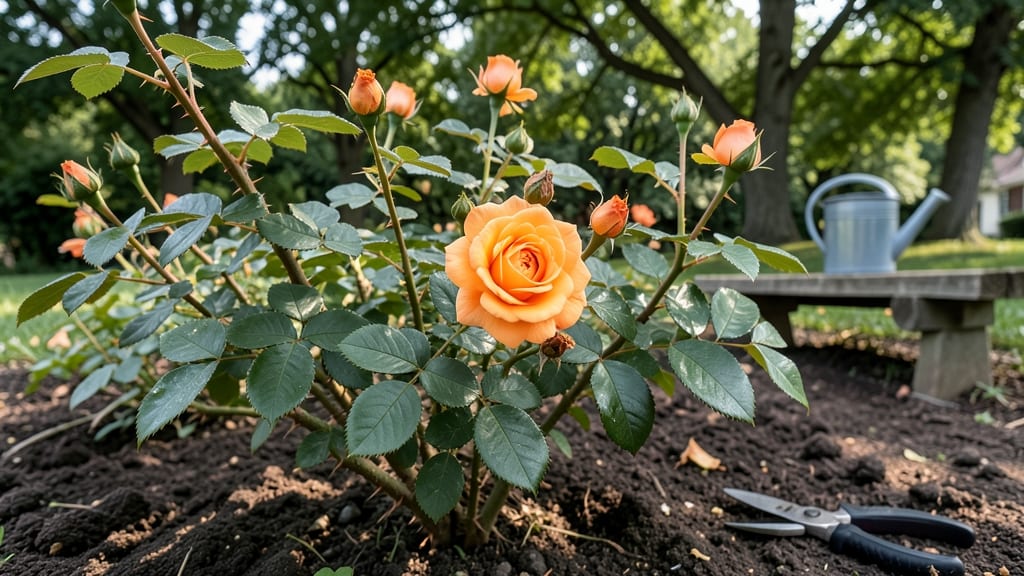
Growing an orange rose flower that bursts with fragrance and stays lush in containers is easier than you think—especially when you start with the right variety. 🌸 I learned the hard way that not all orange roses thrive in pots, but once I picked the perfect one, my patio became a fragrant paradise.
The secret lies in choosing a compact, disease-resistant type like 'Mister Lincoln' or 'Daydream,' which handle container life beautifully while still packing bold color and intoxicating scent.
Containers need well-draining soil mixed with compost to keep roots happy, and a 15-20 gallon pot gives roots enough room to grow without becoming root-bound. Place your rose where it gets 6-8 hours of sunlight daily, but protect it from harsh afternoon sun in hot climates.
Watering is key—keep soil consistently moist but never soggy, and mulch the top to retain moisture and regulate temperature.
Pruning twice a year (once after blooming, once in late winter) keeps your rose bush compact and productive, while regular feeding with rose-specific fertilizer ensures those vibrant orange blooms keep coming.
The first flush of flowers arrives in late spring, and with proper care, you'll enjoy continuous blooms through fall.
Winter care depends on your zone—most container roses need protection from freezing temps. Move pots to a sheltered spot, wrap them in burlap, or bring them indoors if temperatures drop below 20°F. With these simple steps, your orange rose will reward you with fragrant, show-stopping blooms season after season.
📚 In This Guide
- What you need
- Instructions
- Tips and common mistakes
- Wrapping up and next steps
What you need
- ● Orange rose plant: Choose a healthy, disease-free Rosa variety (e.g., 'Orange Crush,' 'Bonica,' or 'Knock Out Orange'). Buy bare-root plants in late winter or potted ones year-round.
- ● Container: A 5-gallon pot or larger (at least 12–18 inches deep) with drainage holes. Terracotta or fabric pots work best.
- ● Well-draining potting mix: A blend of 60% garden soil, 30% compost, and 10% perlite or sand to prevent root rot.
- ● Gravel or pebbles: A 1–2 inch layer at the bottom of the pot for drainage.
- ● Balanced fertilizer: A 10-10-10 or 20-20-20 formula (organic or synthetic). Fish emulsion or bone meal are great organic options.
- ● Mulch: 2–3 inches of wood chips, straw, or shredded bark to retain moisture and regulate temperature.
- ● Gloves: Heavy-duty gardening gloves to protect from thorns.
- ● Pruning shears: Sharp, sterilized shears for trimming dead or overgrown branches.
- ● Watering can or hose with nozzle: For gentle, deep watering (avoid overhead spraying to prevent fungal diseases).
- ○ pH testing kit: Optional but helpful—ideal soil pH for roses is 6.0–6.5.
- ● Support system: A cage, trellis, or stakes (if growing climbing varieties).
- ● Pest control: Neem oil, insecticidal soap, or diatomaceous earth for organic pest management.
- ● Slow-release fertilizer spikes: For hassle-free nutrient delivery.
- ● Rose-specific food: Like Miracle-Gro Rose Food for extra blooms.
- ● Epsom salt: A tablespoon per gallon of water monthly to boost magnesium (great for vibrant colors!).
- ● Shade cloth: For hot climates to protect from scorching sun.
Step-by-Step instructions for cultivating vibrant orange roses in containers
Here's how I transform container-grown orange roses into fragrant, repeat-blooming stars.
🪴 Step 1: Select and Prepare the Right Container
Choose a container with a minimum 18-inch diameter and depth—orange roses need room for their vigorous root systems. I prefer glazed ceramic because it retains moisture while allowing drainage. Ensure it has at least 4 drainage holes at the bottom to prevent root rot.
Before planting, wash the container with 10% bleach solution to kill any lingering pathogens. Rinse thoroughly and let it dry completely. Place a 2-inch layer of gravel or broken pottery in the bottom to create an air pocket—this prevents waterlogging while still allowing excess moisture to escape.
🌱 Step 2: Use a Well-Draining, Nutrient-Rich Soil Mix
Orange roses thrive in loamy, slightly acidic soil with a pH between 6.0 and 6.5. I blend equal parts garden soil, compost, and perlite to ensure proper aeration and drainage. Avoid garden soil alone—it compacts easily and suffocates roots.
Fill the container two-thirds full with your prepared mix, then tap the sides gently to settle the soil. Leave 3-4 inches of space at the top for watering. Here's the thing—orange roses are heavy feeders, so I always add a handful of slow-release fertilizer (like 10-10-10) mixed into the soil before planting.
☀️ Step 3: Plant Bare-Root Roses at the Correct Depth
Remove your rose from its container and loosen the roots gently if they're circling. Position the graft union (the swollen area near the base) 2 inches below the soil line—this prevents it from being exposed to sunlight, which can weaken the plant. Spread the roots outward in the container.
Backfill with soil, pressing lightly to remove air pockets but not compacting too tightly. Water deeply until moisture reaches 2 inches down—you'll see water pooling on the surface before draining through. Mulch with 2 inches of shredded bark to retain moisture and regulate soil temperature.
💧 Step 4: Provide Consistent Watering and Fertilization
Orange roses need 1-2 inches of water weekly, but never let the soil dry out completely. I water deeply in the morning, aiming for the soil line rather than the foliage to prevent fungal diseases. Check moisture by sticking your finger 2 inches into the soil—if it feels dry, it's time to water.
Feed every 4-6 weeks during the growing season with a balanced liquid fertilizer (like 20-20-20). I also use fish emulsion monthly for extra nutrients. Stop fertilizing in late summer to encourage dormancy and prepare for winter. Real talk: Over-fertilizing leads to weak stems and fewer blooms.
✂️ Step 5: Prune for Health and Abundant Blooms
Prune in early spring before new growth begins. Remove dead or crossing branches first, then cut back last year's blooms to just above an outward-facing bud. This encourages bushier growth and more flowers. For leggy stems, trim back to half their length—you'll see new shoots emerge within weeks.
Deadhead spent blooms regularly to redirect energy into new flowers. I also prune lightly after each flush of blooms to maintain shape. Avoid heavy pruning in fall—it stresses the plant before winter. Watch for yellowing leaves or black spots, which signal overwatering or disease, respectively.
Tips & tricks for growing vibrant orange roses in containers
Here's what nobody tells you about keeping these fragrant beauties thriving in limited space.
Container Selection: While the instructions specify an 18-inch minimum, I've found that adding a side drainage tray to your ceramic container prevents root rot by catching excess water. This is especially important during our rainy season when containers can become waterlogged. Also, consider adding a heat-resistant saucer underneath to protect surfaces from mineral deposits that form as water evaporates.
Soil Mix Secrets: The equal parts garden soil, compost, and perlite ratio works beautifully, but I've had the most success when I add one part coarse sand to improve drainage further. This prevents the soil from becoming compacted over time, which is crucial for orange roses that need their roots to breathe. Test your soil's pH with a simple kit—aim for that 6.0-6.5 range—and adjust with sulfur if needed.
Root Care During Planting: When loosening circling roots in Step 3, I recommend cutting through any particularly tight circles with sterilized pruners. This prevents girdling as the plant matures. After planting, I always give the roots a 5-minute soak in water mixed with a rooting hormone (like 1 tsp per gallon) before backfilling with soil. This jumpstarts establishment in containers where roots have less room to spread.
Watering Wisdom: The 1-2 inches weekly guideline is perfect, but I've learned to adjust based on container material. Glazed ceramic loses moisture more slowly than terra cotta, so I check terra cotta containers every 3-4 days in summer heat. A simple trick: place a moisture meter in your container for a week to understand your specific watering needs—this prevents both underwatering and the dreaded root rot from overwatering.
Pro Tips for Orange Rose Flower
- Here's what nobody tells you about keeping these fragrant beauties thriving in limited space.
- Container Selection: While the instructions specify an 18-inch minimum, I've found that adding a side drainage tray to your ceramic container prevents root rot by catching excess water.
- Soil Mix Secrets: The equal parts garden soil, compost, and perlite ratio works beautifully, but I've had the most success when I add one part coarse sand to improve drainage further.
Frequently asked questions
Got questions about growing or caring for orange rose flowers? You’re not alone!
Here are some of the most common queries—plus straightforward answers to help you cultivate stunning blooms with ease.
When is the best time to plant orange roses?
The ideal time to plant orange rose flowers is in early spring (after the last frost) or early fall (4-6 weeks before the first frost). This gives roots time to establish before extreme temperatures. If planting in containers, you can extend the window to late spring or summer, just avoid peak heat!
How often should I water orange roses?
Water your orange roses deeply 1-2 times per week, depending on your climate. Aim for 1-1.5 inches of water per week, ensuring the soil stays consistently moist but not soggy. In containers, check soil moisture daily—potted roses dry out faster! Pro tip: Water at the base (not the leaves) to prevent fungal diseases.
Why aren’t my orange roses blooming?
Lack of blooms often stems from over-pruning, poor sunlight, or nutrient deficiencies. Ensure your roses get 6+ hours of direct sun daily and prune in late winter/early spring to encourage new growth. Feed with a balanced rose fertilizer (like 10-10-10) every 4-6 weeks during growing season. Troubleshoot: Yellow leaves? Check for nitrogen deficiency.
Can I grow orange roses in containers?
Orange roses thrive in containers if you choose the right variety (like ‘Knock Out’ or ‘Fairy Tale’ roses) and a pot at least 12-18 inches deep with drainage holes. Use a well-draining potting mix and repot every 2-3 years to refresh nutrients. Containers also let you move roses to optimize sunlight!
How do I prevent pests on my orange roses?
Pests like aphids, spider mites, or Japanese beetles love orange roses! Prevent them by:
- Spraying neem oil weekly as a deterrent.
- Introducing ladybugs or lacewings (natural predators).
- Removing infested leaves immediately.
Are there orange rose alternatives with similar fragrance?
If you love the scent and color of orange roses but want variety, try:
- ‘Orange Glory’ rose (deep orange, highly fragrant).
- ‘Geranium ‘Rozanne’ (orange-pink blooms, drought-tolerant).
- ‘Marigold ‘Crackerjack’ (bright orange, pest-repellent).
- ‘Hibiscus ‘Dwarf Red’ (vibrant, tropical scent).
Wrapping up and next steps
The orange rose flower isn’t just a burst of vibrant color—it’s a symbol of passion, creativity, and joy that you can grow right in your own space! Whether you’re a seasoned gardener or a beginner, these fragrant blooms prove that beauty thrives with patience and care.
Now that you’re armed with the right materials, tips, and answers to common questions, it’s time to roll up your sleeves and get planting!
🌱 Next steps:
- Pick your favorite orange rose variety and gather your supplies.
- Start small—try a container or a sunny spot in your garden.
- Share your progress (and blooms!) with fellow plant lovers online.