
Shrubs
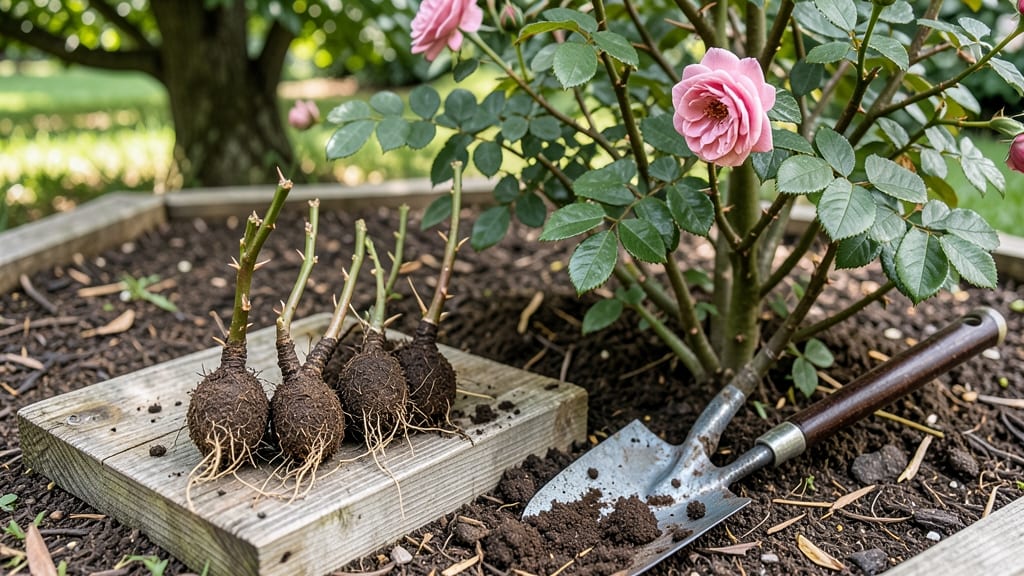
Planting new rose bushes transforms your garden from ordinary to extraordinary—when you do it right. 🌹 I’ve buried more roots than I’d like to admit, but these five simple steps will help you avoid my mistakes and get your roses thriving from day one.
The secret starts with soil prep—loosen the ground to 12 inches deep, mix in compost, and avoid planting in soggy spots. Roses hate wet feet, and proper drainage is non-negotiable.
Spacing matters too: give each bush 18-24 inches of room (more for climbers), so they don’t compete for nutrients later. Once planted, water deeply to settle the soil, then mulch with 2-3 inches of organic matter to lock in moisture and keep roots cool.
The first year is all about patience—you’ll see new shoots in 4-6 weeks, but hold off on heavy pruning until spring. This method works for bare-root or potted roses, in spring or fall, and even in containers with the right soil mix.
Let’s get those canes in the ground the right way!
📚 In This Guide
- What you need
- Instructions
- Tips and common mistakes
- Wrapping up and next steps
What you need
- ● Rose bushes: 1–3 (bare-root or potted, depending on preference; check for healthy, firm roots and buds).
- ● Shovel: 1 (round-point or digging shovel, 12–14 inches wide).
- ● Garden trowel: 1 (for delicate soil work around roots).
- ● Pruning shears: 1 (sterilized, sharp blades for trimming stems).
- ● Compost or aged manure: 5–10 lbs (organic matter for nutrient-rich soil).
- ● Rose fertilizer: 1 bag (balanced formula like 10-10-10 or rose-specific blend).
- ● Mulch: 2–3 bags (wood chips or straw, 2–3 inches deep).
- ● Garden hose or watering can: 1 (with a gentle spray nozzle).
- ○ Stakes (optional but recommended): 2–4 (5–6 feet tall, for support).
- ● Garden twine: 1 roll (for securing stakes to bushes).
- ● Soil test kit: 1 (to check pH levels; roses prefer 6.0–6.5).
- ● Epsom salt: 1 small bag (magnesium boost for green, healthy foliage).
- ● Fungicide: 1 bottle (preventative spray for powdery mildew-prone roses).
- ● Garden gloves: 1 pair (to protect hands from thorns and dirt).
- ● Plant tags: 10+ (to label varieties and planting dates).
Step-by-Step instructions for planting new rose bushes
Here's how I plant roses every spring—no fancy tools, just strong roots and happy blooms.
🪴 Step 1: Prepare the Planting Site
Choose a spot with 6+ hours of direct sun and well-draining soil. Roses hate soggy roots, so if your soil stays wet for more than a day after rain, amend it with 2-3 inches of compost mixed into the top 12 inches of soil. I dig a hole twice as wide as the root ball but only as deep—roses planted too deep suffocate.
Loosen the sides of the hole with a shovel to remove compacted soil. This encourages roots to spread outward instead of circling the root ball. If you're planting multiple bushes, space them 3-4 feet apart for air circulation. I always mark the planting spots with stakes so I don't lose track while digging.
🌱 Step 2: Remove the Rose from Its Container
Gently squeeze the sides of the container to loosen the root ball. If roots are circling tightly (a sign of being root-bound), use your fingers to tease them outward. This prevents girdling, where roots strangle the stem as the plant grows. You'll see a white, fibrous mass—this is healthy root growth.
Check the root ball for signs of rot (dark, mushy roots) or drying (brittle, brown roots). If you find either, soak the roots in lukewarm water for 15-20 minutes before planting. Healthy roots should feel firm but pliable, like a damp sponge.
💧 Step 3: Plant at the Right Depth
Place the rose in the hole so the top of the root ball sits 1-2 inches below the soil line. This ensures the graft union (the bump near the base of the stem) stays above ground. If the root ball is too high, the plant will dry out; too low, and it'll rot. I use a level to double-check before backfilling.
Fill the hole halfway with soil, then water deeply to settle it. This removes air pockets that could suffocate roots. After the water drains, add more soil up to the original level, pressing gently but not compacting. A lightly firm soil holds the plant steady without crushing roots.
☀️ Step 4: Mulch and Water Thoroughly
Spread 2-3 inches of organic mulch (like shredded bark or wood chips) around the base, keeping it 2 inches away from the stem. Mulch conserves moisture and regulates soil temperature. I avoid inorganic mulches like rocks—they don’t break down and can overheat roots in summer.
Water the rose until the soil 12 inches deep feels damp. You’ll know it’s enough when water runs out the drainage holes if you’re using a container, or when the top inch of soil stays moist for 24 hours. Overwatering now is better than underwatering—roses need consistent moisture to establish roots.
✂️ Step 5: Prune and Protect New Growth
Trim any damaged or mushy stems with clean, sharp shears, cutting ¼ inch above a healthy bud. Remove no more than 1/3 of the plant—this reduces stress. I also snip off any flower buds you see; the plant’s energy should focus on root growth, not blooms, for the first year.
Stake tall or leggy roses immediately to prevent wind damage. Tie the main stem loosely to the stake with soft plant ties, leaving room to grow. Water lightly every 2-3 days until new leaves appear—this signals the roots have taken hold. Avoid fertilizing for 6-8 weeks; fresh soil already has nutrients.
Tips & tricks for planting new rose bushes
Here's what I learned after planting dozens of roses—these simple tricks make all the difference.
Soil Prep Secret: In Step 1, when amending soil with 2-3 inches of compost, mix in a handful of perlite or coarse sand if your native soil is heavy clay. This improves drainage without changing the soil structure too much. I've seen roses planted in unamended clay struggle with root rot, even with proper watering.
Root Health Check: Before planting, run your finger through the roots in Step 2—healthy roots should snap slightly when bent but not break easily. If you see any green shoots growing from the root ball, trim them off immediately. These shoots steal energy from root establishment, and you want all the plant's focus on growing new roots during that first critical month.
Planting Depth Tip: In Step 3, use a pencil or stick to mark the soil line before planting. This helps you visualize where the root ball should sit—1-2 inches below that line. I've seen beginners plant too deep because they can't visualize the final soil level, and that's a fast track to root suffocation.
Watering Wisdom: After planting, water until the soil 12 inches deep feels damp (Step 4). To test this easily, use a long screwdriver or metal rod—push it into the soil and check the moisture on the tool. This ensures you're not just wetting the surface, which is where most new gardeners go wrong.
Pro Tips for Planting New Rose Bushes
- Here's what I learned after planting dozens of roses—these simple tricks make all the difference.
- Soil Prep Secret: In Step 1, when amending soil with 2-3 inches of compost, mix in a handful of perlite or coarse sand if your native soil is heavy clay.
- Root Health Check: Before planting, run your finger through the roots in Step 2—healthy roots should snap slightly when bent but not break easily.
Frequently asked questions
Got questions about planting your new rose bushes?
You’re not alone! Here are answers to the most common concerns—so you can dig in with confidence and grow stunning roses.
When is the best time to plant rose bushes?
Plant roses in early spring (after the last frost) or fall (4-6 weeks before the first frost). These windows give roots time to establish before extreme temperatures. Avoid planting in summer’s heat or winter’s freeze—both stress young bushes.
What if my rose bush looks root-bound when I take it out of the pot?
Root-bound roses (roots circling the pot) need help! Gently tease apart the roots before planting to encourage outward growth. If roots are severely tangled, trim the largest circles with clean shears. This prevents stunted growth and helps the bush thrive faster.
How often should I water newly planted rose bushes?
Water deeply 2-3 times per week for the first month, keeping soil moist but not soggy. After that, water 1-2 times weekly, adjusting for rain. Overwatering can suffocate roots—always check soil moisture 2 inches below the surface before watering again.
Can I plant roses in containers instead of the ground?
Choose a large container (at least 15 gallons) with drainage holes. Use a well-draining potting mix, and repot every 2-3 years to refresh nutrients. Container roses need more frequent watering and winter protection (move indoors or wrap pots in burlap).
Why aren’t my new rose bushes blooming after planting?
Patience is key! Roses often take 1-2 years to establish and bloom after planting. Focus on healthy roots first—prune dead wood, fertilize lightly (use rose-specific food), and ensure full sun (6+ hours daily). Stress from transplanting or poor soil can delay blooms, but consistent care pays off.
What’s the best way to prepare the planting hole?
Dig a hole twice as wide as the root ball but only as deep. Loosen the sides to encourage root spread. Mix the removed soil with compost or aged manure (20% organic matter) to boost nutrients. Avoid adding fertilizer directly to the hole—it can burn tender roots.
Wrapping up and next steps
Planting new rose bushes is a rewarding way to bring beauty and fragrance to your garden—and you’ve got this! 🌹 By following these five simple steps, you’ll ensure your roses thrive with strong roots, vibrant blooms, and long-lasting health.
Remember, patience and proper care are key, but the effort will pay off in stunning results.
Now that you’re ready to dig in, take the next step:
- Mark your calendar for regular watering and pruning—your roses will thank you!
- Watch for new growth as a sign of success, and don’t hesitate to share your progress with fellow gardening enthusiasts.
Happy planting—your garden is about to get a whole lot prettier! 🌱