
Shrubs
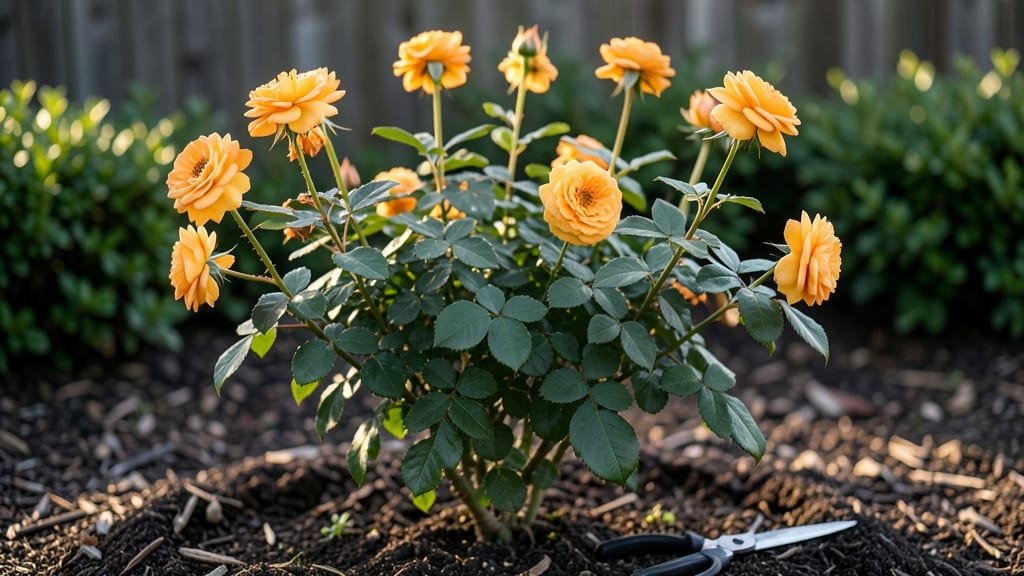
Your garden can smell like autumn every day with a pumpkin patch rose theme. 🌿 These velvety roses paired with spicy citrus-scented foliage create a warm, inviting space that feels like a fall harvest—even in summer.
The secret lies in layering textures and fragrances that evoke pumpkin spice without needing actual pumpkins.
Start with deep oranges, burnt siennas, and golden yellows for the roses themselves, then add silver foliage like lamb’s ear or dusty miller for contrast. Citrus-scented plants—think lemon thyme, orange mint, or even a Meyer lemon tree—tie the theme together with their zesty aroma.
For height, mix in ornamental grasses like fountain grass or little bluestem for movement.
This theme works beautifully in cottage gardens, children’s play areas, or seasonal displays. Kids love the pumpkin-inspired colors, and the fragrant roses attract pollinators all season. Just keep spacing tight—roses need 3-4 feet apart, while grasses and herbs can tuck in closer for a lush, layered look.
Maintenance is simple: prune roses in early spring, deadhead spent blooms, and mulch heavily to keep roots cool. The citrus-scented plants thrive with minimal care—just occasional trimming to keep them tidy. By autumn, you’ll have a garden that smells like a spice market and looks like a storybook.
📚 In This Guide
- What you need
- Instructions
- Tips and common mistakes
- Wrapping up and next steps
What you need
- ● Pumpkin Patch Rose plant: 1 healthy, disease-free bare-root or potted rose (ensure it’s grafted for disease resistance).
- ● Well-draining soil: 50% native soil + 50% compost or a high-quality potting mix (aim for a pH of 6.0–6.5).
- ● Fertilizer: 1 lb of balanced rose fertilizer (10-10-10) or organic options like fish emulsion or bone meal.
- ● Mulch: 2–3 inches of organic mulch (straw, wood chips, or shredded bark) to retain moisture.
- ● Support system: 1 sturdy rose trellis, cage, or stakes (6–8 feet tall) to train the climbing variety.
- ● Watering can or hose: With a gentle spray nozzle for even hydration.
- ● Garden gloves: 1 pair to protect your hands from thorns and soil.
- ● Pruning shears: Sharp, clean shears (sterilize with rubbing alcohol).
- ● Trowel or spade: For digging planting holes (12–18 inches deep).
- ● Sunlight access: A spot with full sun (6+ hours daily).
- ○ Drip irrigation or soaker hose (optional but recommended): For consistent moisture.
- ● 🌡️ Timing: Plant in early spring (after the last frost) or fall for optimal root establishment.
- ● 🎯 Location: Avoid low-lying areas where water pools—roses hate soggy roots!
- ● ✨ Bonus: Add a handful of Epsom salt (1 cup per plant) at planting for magnesium boost.
Step-by-Step guide to growing a Pumpkin Patch rose
Here's how to cultivate this fragrant beauty with bold, velvety blooms and a citrusy aroma.
🌱 Step 1: Select the Perfect Location and Soil
Choose a spot that gets full sun (6-8 hours daily) and has well-draining soil. Pumpkin Patch Roses thrive in slightly acidic to neutral soil with a pH between 6.0-7.0. Before planting, mix in 2-3 inches of compost to enrich the soil with organic matter. These roses love room to spread, so ensure the area is at least 3-4 feet wide to accommodate their bushy growth.
If your soil is heavy clay, amend it with sand or perlite to improve drainage. You'll see the difference immediately—the roots will establish faster in loose, airy soil. Avoid low-lying areas where water pools after rain, as soggy roots lead to rot and weak growth.
☀️ Step 2: Plant at the Right Time and Depth
Plant your bare-root rose in early spring, 4-6 weeks before the last frost date, when soil temperatures warm to at least 60°F. Dig a hole twice as wide and deep as the root ball. Soak the roots in lukewarm water for 1 hour before planting to rehydrate them—this prevents transplant shock.
Place the rose in the hole so the graft union (the swollen bump near the base of the stem) sits 2-3 inches below soil level. This protects it from harsh winters and encourages strong growth. Backfill with soil, tamping gently to remove air pockets. Water deeply until the soil settles 1-2 inches around the base.
💧 Step 3: Water and Mulch for Strong Growth
Water your rose deeply 2-3 times per week during the first growing season, ensuring the soil stays moist but not waterlogged. You'll know it's right when the top 2 inches of soil feel damp but not soggy. Mulch around the base with 2-3 inches of organic mulch (like shredded bark or straw) to retain moisture and regulate soil temperature.
Keep mulch 3-4 inches away from the stem to prevent rot. Fertilize lightly with a balanced rose fertilizer (10-10-10) every 4-6 weeks during the growing season. Avoid over-fertilizing—too much nitrogen leads to lush foliage but fewer blooms, which is the whole point of growing this beauty!
✂️ Step 4: Prune for Bushy Growth and Blooms
Prune your Pumpkin Patch Rose in early spring, just as new growth begins. Remove any dead, diseased, or crossing branches first—this opens the plant for better airflow and sunlight. Cut back last year's growth by one-third to encourage new, vigorous shoots. Look for outward-facing buds when pruning; these will grow into stronger branches.
Deadhead spent blooms regularly to redirect the plant's energy into producing more flowers. In late summer, give the rose a light trim to shape it and remove any leggy growth. You'll see a surge in new growth within 2-3 weeks after pruning—this is your reward for a job well done!
🌿 Step 5: Enjoy and Maintain Year-Round
Once established, your Pumpkin Patch Rose will reward you with fragrant, velvety blooms from mid-summer to fall. To prolong the blooming season, feed with a low-nitrogen, high-phosphorus fertilizer (5-10-10) every 6-8 weeks during the growing season. This encourages more flowers and fewer leaves.
In winter, protect the rose by mounding 6-8 inches of mulch around the base. If you live in a cold climate, wrap the plant in burlap or use a rose cone to shield it from harsh winds. With proper care, your Pumpkin Patch Rose will thrive for years, filling your garden with its spicy citrus scent and stunning velvet petals.
Tips & tricks for perfect Pumpkin Patch rose cultivation
These insider tricks will help you coax out those velvety blooms and spicy citrus fragrance from your Pumpkin Patch Rose—without the common pitfalls that leave gardeners frustrated.
Soil Prep Secret: Before planting, test your soil's pH using a simple kit from your garden center. If it's outside the 6.0-7.0 range, adjust it gradually—adding sulfur to lower pH or lime to raise it. I learned this the hard way after my first attempt yielded weak growth because my soil was too alkaline. The roses need that perfect balance to absorb nutrients efficiently, especially during the critical first growing season when you're establishing that deep root system.
Planting Precision: When soaking those roots for that crucial 1 hour before planting, use lukewarm water—not cold tap water straight from the faucet. Cold water can shock the roots further, and hot water might damage them. The goal is to rehydrate without stressing. After planting, I press my finger into the soil around the base—it should feel like a well-watered sponge, not muddy or dry. This ensures proper root-to-soil contact for faster establishment.
Watering Wisdom: Those 2-3 times per week waterings should happen at the same time each day—early morning works best. This consistency helps prevent fungal issues that thrive in damp conditions overnight. I've found that watering deeply but less frequently encourages deeper root growth. To check moisture, stick your finger 2 inches into the soil—if it's dry at that depth, it's time to water again. The top layer drying out is normal and actually helps prevent rot.
Pruning Pro Tip: When you're cutting back last year's growth by one-third in Step 4, make your cuts at a 45-degree angle just above an outward-facing bud. This little detail makes all the difference in encouraging bushier growth. I've seen gardeners make straight cuts, and while the rose still grows, it tends to become leggy. Those angled cuts help water run off the stem instead of pooling and causing rot. And remember—you'll see that growth surge within 2-3 weeks, so be patient!
Pro Tips for Pumpkin Patch Rose
- These insider tricks will help you coax out those velvety blooms and spicy citrus fragrance from your Pumpkin Patch Rose—without the common pitfalls that leave gardeners frustrated.
- Soil Prep Secret: Before planting, test your soil's pH using a simple kit from your garden center.
- Planting Precision: When soaking those roots for that crucial 1 hour before planting, use lukewarm water—not cold tap water straight from the faucet.
Frequently asked questions
When is the best time to plant a Pumpkin Patch Rose?
The ideal time to plant is in early spring (after the last frost) or fall (6-8 weeks before the first frost). This gives the roots time to establish before extreme temperatures. If planting in summer, water deeply and shade the plant for the first few weeks to reduce stress.
How often should I water my Pumpkin Patch Rose?
Water deeply once a week (about 1 inch of water) during the first year to encourage root growth. Once established, reduce to every 10-14 days, unless your area experiences extreme heat or drought. Pro tip: Mulch around the base to retain moisture and protect roots.
Why aren’t my Pumpkin Patch Roses blooming?
Blooming can be affected by light, pruning, or age. Ensure it gets 6+ hours of sunlight daily and prune in late winter to remove dead wood and shape the bush. Young plants may take 1-2 years to bloom. If established but still struggling, check for nutrient deficiencies (use a balanced fertilizer in spring).
What pests or diseases should I watch for?
Common issues include aphids, spider mites, and powdery mildew. Prevent pests by spraying water on leaves (aphids hate it!) and ensuring good airflow. For mildew, apply a fungicide and avoid overhead watering. Keep an eye out for yellowing leaves—a sign of overwatering or root rot.
Can I grow a Pumpkin Patch Rose in a container?
Use a large pot (at least 15-20 gallons) with drainage holes and well-draining soil. Place it in full sun and water more frequently than in-ground plants. Just remember: container-grown roses need extra nutrients, so fertilize regularly during the growing season.
How do I protect my Pumpkin Patch Rose in winter?
In USDA Zones 7 and below, protect your rose by mulching heavily (4-6 inches) around the base and wrapping the canes with burlap or rose cones. In colder zones, consider planting in a sheltered spot or digging up container roses to store indoors until spring.
Wrapping up and next steps
The Pumpkin Patch Rose is a true gem—its velvety petals and zesty citrus aroma make it a standout in any garden. Whether you’re drawn to its unique fragrance or its low-maintenance charm, this shrub is a rewarding addition for both beginners and seasoned gardeners. 🌸
Ready to bring a touch of autumnal elegance to your outdoor space? Grab your gardening gloves, pick a sunny spot, and let your Pumpkin Patch Rose thrive! Start with a cutting or seedling today—your future fragrant oasis awaits. 🌱