
Planting
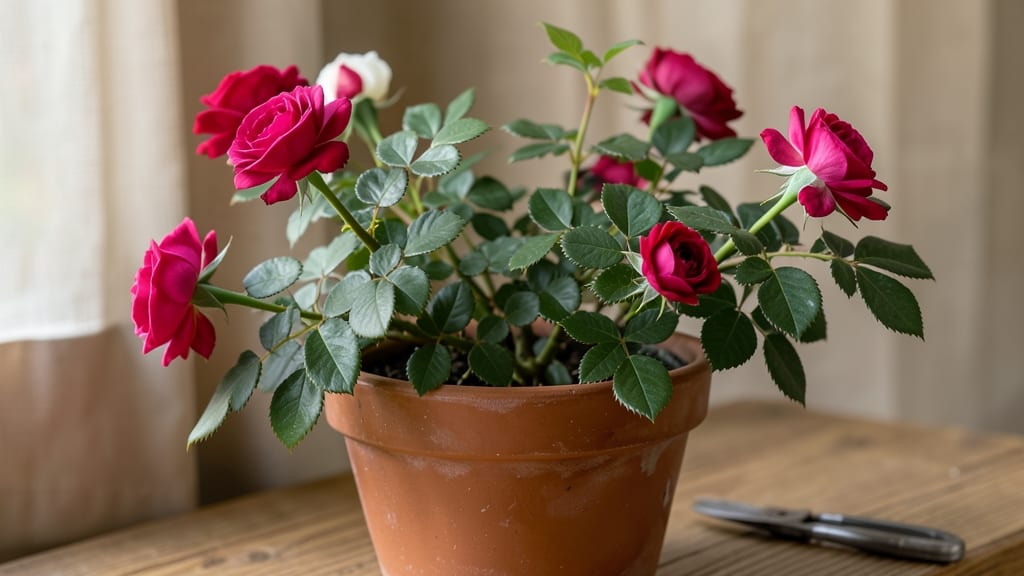
A rose plant indoors thrives in my living room—fragrant blooms year-round, no greenhouse needed. 🌹 I’ve turned my sunny window into a mini rose garden using the right soil and a few pruning tricks I wish I’d known sooner.
The secret starts with south-facing light or a grow light (12+ hours daily), well-draining soil (think cactus mix with perlite), and a pot with drainage holes. Water only when the top inch feels dry, and keep humidity up with a pebble tray—roses hate dry air.
Varieties like ‘Fairy’ or ‘Picotee’ thrive indoors, blooming smaller but just as sweet. Prune spent blooms and leggy stems in early spring to encourage bushier growth. Yellow leaves? Too much water. Brown buds? Not enough light. With these tweaks, you’ll get continuous blooms from winter to fall—no outdoor season required.
Works for apartments, offices, or sunrooms. Here’s how to keep yours thriving without the guesswork.
📚 In This Guide
- What you need
- Instructions
- Tips and common mistakes
- Wrapping up and next steps
What you need
- ● Rose Plant: Choose a dwarf or miniature variety (e.g., 'Fairy Rose' or 'Bonica')—ideal for indoor pots (3–5 gallons). Avoid climbing varieties unless you have vertical space!
- ● Pot: 1–2 ceramic or terracotta pots (12–16 inches in diameter) with drainage holes. Pro tip: 💡 Use a saucer to catch excess water!
- ● Well-draining soil: 1 bag (1–2 cubic feet) of rose-specific potting mix or a blend of 50% garden soil, 30% perlite, and 20% compost.
- ● Drainage medium: Small gravel or pebbles (1–2 inches layer at the pot’s bottom).
- ● Fertilizer: 1 bottle of balanced liquid fertilizer (10-10-10 or 20-20-20) or slow-release rose granules.
- ● Pruning shears: Sharp, clean pair (sterilize with rubbing alcohol between cuts!).
- ● Watering can: With a narrow spout for gentle watering.
- ● Grow lights: 1–2 full-spectrum LED bulbs (12–16 hours/day) if natural light is limited.
- ● Humidity tray: A shallow tray with pebbles and water to boost moisture levels.
- ● Mulch: Organic mulch (e.g., bark chips) to retain soil moisture.
- ● Support stake: 1–2 bamboo or metal stakes (for taller varieties).
- ● Spray bottle: For misting leaves (especially in dry climates).
Step-by-Step instructions for growing a rose plant indoors
Here’s how to coax fragrant blooms from your indoor rose—no greenhouse needed.
🪴 Step 1: Select the Right Container and Drainage
Choose a 6-8 inch diameter pot with drainage holes—roses hate soggy roots. I like glazed ceramic because it retains moisture without overheating in bright windows. If repotting, select a container 2-3 inches larger than the current root ball to avoid overwhelming the plant.
Add a 1-inch layer of gravel or broken pottery at the bottom before soil. This creates an air gap that prevents root rot, which is the #1 killer of indoor roses. The gravel should cover the holes completely but not fill more than 20% of the pot’s depth.
☀️ Step 2: Prepare Well-Draining Soil and Position for Light
Fill the pot with a mix of 50% potting soil and 50% perlite or coarse sand—this keeps roots aerated and prevents compaction. I avoid garden soil because it’s too dense and retains too much moisture. Press the mix lightly around the roots when repotting, leaving 1 inch of space below the rim for watering.
Place your rose in a south- or west-facing window where it gets 6-8 hours of direct sunlight daily. If your space only offers indirect light, supplement with a full-spectrum LED grow light kept 6-12 inches away from the plant. Watch for leaves stretching toward the light—this means it’s not getting enough intensity.
💧 Step 3: Water Deeply and Establish a Routine
Water when the top 1-2 inches of soil feel dry to the touch. Stick your finger in—if it comes out clean, it’s time. Pour water slowly until it drains from the bottom, then empty the saucer after 10 minutes to prevent root suffocation. Overwatering is the fastest way to kill an indoor rose, so I err on the side of underwatering until I see how the plant responds.
Mist the leaves 2-3 times weekly with room-temperature water to mimic humidity. A pebble tray filled with water (but not touching the pot) also helps. You’ll notice new growth within 2-3 weeks if the care is right—look for fresh, deep green leaves near the stems.
✂️ Step 4: Prune for Health and More Blooms
Trim dead or yellowing leaves with clean scissors just above a leaf node to encourage new growth. Cut back overly long stems by one-third to promote bushier shape and more blooms. Always make cuts at a 45-degree angle to prevent water pooling on the stem.
Remove spent blooms by cutting the stem just above a set of leaves. This redirects the plant’s energy into producing new flowers instead of seed pods. After pruning, fertilize lightly with a balanced 10-10-10 formula every 4-6 weeks during spring and summer. Skip fertilizer in fall and winter when growth slows.
🌿 Step 5: Monitor for Pests and Adjust Care Seasonally
Check leaves weekly for aphids or spider mites—common indoor pests that suck plant sap. Wipe leaves with a damp cloth or spray with neem oil if you spot tiny webs or sticky residue. I’ve found that increasing humidity (like with a pebble tray) deters pests naturally.
In winter, reduce watering to every 7-10 days and move the plant away from cold drafts. If buds form but don’t open, it’s likely due to low light—supplement with a grow light immediately. With consistent care, your indoor rose will reward you with continuous blooms for months.
Tips & tricks for growing indoor roses with year-round blooms
Real talk: Indoor roses are finicky, but these small adjustments make all the difference between a sad, droopy plant and one that blooms like crazy.
Lighting Upgrade: That 6-8 hours of direct sunlight in Step 2 is non-negotiable—but here's the thing. If your windows don't get enough sun, invest in a full-spectrum LED grow light on a timer. I run mine for 12 hours daily in winter, and my roses never miss a beat. Position it 6-12 inches away, and rotate the plant weekly so it grows evenly.
The Gravel Detail: Don't just toss in any gravel for drainage in Step 1. Use coarse, irregular pieces (like broken pottery) instead of smooth river rocks. The rough texture creates more air pockets, which prevents that dreaded root rot. I like to rinse mine first to remove any dust that could clog the drainage.
Pruning Secret: When you're cutting back those overly long stems by one-third in Step 4, look for stems with 3-5 leaf nodes. These are the sweet spots where new growth will sprout. Make your cuts just above a leaf node at a 45-degree angle—this prevents water from pooling and causing rot. I always sterilize my scissors with rubbing alcohol between cuts to avoid spreading disease.
Winter Survival: That winter care in Step 5 is crucial, but here's what nobody tells you: If your rose gets below 50°F at night, move it immediately. Cold drafts from windows or doors can shock the plant. I keep mine near a south-facing window during winter but add a space heater (set to low) nearby to maintain consistent warmth. The extra humidity from misting helps too.
Pro Tips for Rose Plant Indoors
- Real talk: Indoor roses are finicky, but these small adjustments make all the difference between a sad, droopy plant and one that blooms like crazy.
- Lighting Upgrade: That 6-8 hours of direct sunlight in Step 2 is non-negotiable—but here's the thing.
- The Gravel Detail: Don't just toss in any gravel for drainage in Step 1.
Frequently asked questions
Got questions about growing roses indoors? You’re not alone! Here are some of the most common concerns—plus practical solutions to keep your fragrant blooms thriving.
Can I grow roses indoors year-round?
Yes! With the right variety (like miniature roses or spray roses), proper lighting (12+ hours of bright light daily), and care, you can enjoy indoor roses all year. Just avoid drafts and ensure good airflow to prevent disease.
How do I keep my indoor rose plant healthy?
Healthy indoor roses need well-draining soil, moderate watering (let the top inch dry between waterings), and regular pruning to encourage new growth. Watch for pests like spider mites—wipe leaves gently with a damp cloth to deter them.
How long does it take for an indoor rose to bloom?
With ideal conditions, you may see buds in 6–12 weeks, though some varieties take longer. Patience is key! Prune spent blooms to encourage repeat flowering. Pro tip: Use a balanced fertilizer (like 10-10-10) every 4–6 weeks for faster results.
What’s the best temperature for indoor roses?
Keep your roses in a cool to moderate environment (60–75°F during the day, slightly cooler at night). Avoid sudden temperature swings or cold drafts near windows or vents, which can stress the plant and drop buds.
What if my indoor rose isn’t blooming?
Lack of blooms often signals low light, overwatering, or nutrient deficiencies. Move it to a sunnier spot, adjust watering, and fertilize lightly. Bonus: Pinch back leggy stems to redirect energy toward flowering.
Can I grow roses indoors without a grow light?
While possible, natural light is best. If your space lacks sunlight, supplement with a full-spectrum LED grow light (12+ hours daily). South-facing windows are ideal, but east or west exposures work too—just rotate the plant weekly for even growth.
Wrapping up and next steps
Growing rose plants indoors is a rewarding way to enjoy their beauty and fragrance year-round—no matter your space or climate! With the right variety, light, pruning, and care, you’ll soon be basking in lush blooms and velvety petals.
Remember, patience and consistency are key, so don’t hesitate to experiment and learn from each pruning session.
Ready to level up your indoor garden? Start small—pick a single rose plant, follow the steps, and watch your confidence (and blooms!) grow. Next, explore seasonal care tips or try propagating cuttings to expand your indoor rose collection. Happy gardening! 🌹✨