
Shrubs
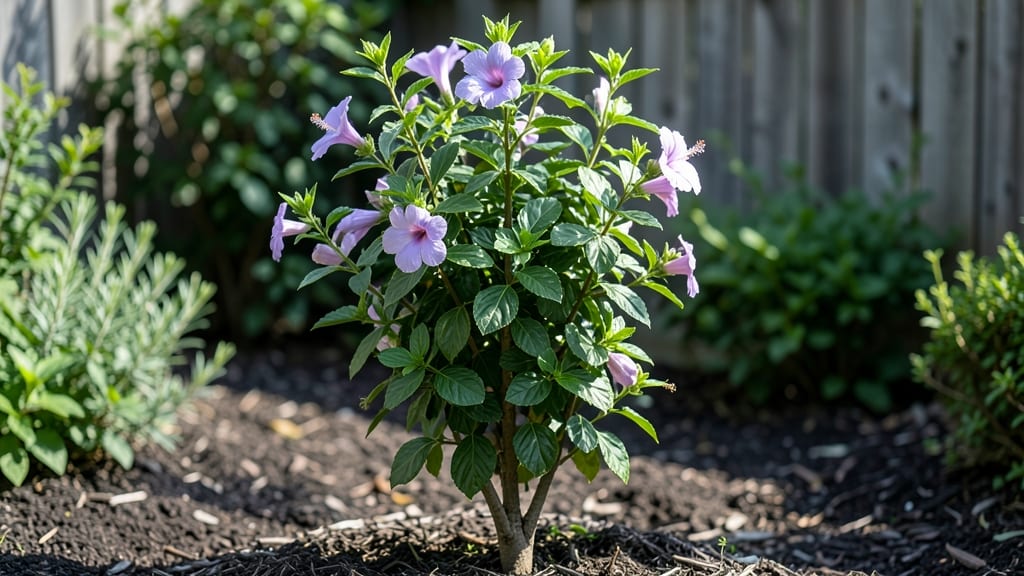
The Purple Pillar Rose of Sharon hibiscus transforms any yard into a vertical purple masterpiece. 🌿 This drought-tolerant shrub thrives in full sun, blooming from summer through fall with minimal fuss—once established, it practically grows itself.
I planted mine last spring, and now it’s the star of my sunny border, attracting hummingbirds and turning heads in the neighborhood. This variety loves well-draining soil and handles heat better than most hibiscus.
The secret to its success? Pruning in late winter to encourage new growth and watering deeply but infrequently once roots are established. Unlike fussy tropical hibiscus, this one’s tough enough for zones 5-9, making it perfect for hot, dry climates where other plants wilt.
You’ll end up with a 6-8 foot tall column of velvety purple blooms that last for weeks. The flowers even have a faint vanilla scent that lingers in the evening breeze. Plus, deer and rabbits usually leave it alone—another win for low-maintenance gardeners.
Works in borders, as a privacy screen, or even in containers for patios. Here’s how to get started without the guesswork!
📚 In This Guide
- What you need
- Instructions
- Tips and common mistakes
- Wrapping up and next steps
What you need
- ● Plant: 1 Hibiscus syriacus 'Purple Pillar' (bare-root or potted, 1–3 gallons in size)
- ● Soil: 50 lbs well-draining, loamy garden soil (amend with 10 lbs compost for nutrients)
- ● Fertilizer: 1 lb balanced 10-10-10 granular fertilizer (or slow-release 14-14-14)
- ● Mulch: 2–3 inches of organic mulch (e.g., shredded bark or pine straw)
- ● Watering: Hose with adjustable nozzle or drip irrigation system
- ● Pruners: Bypass pruners (sterilized with rubbing alcohol)
- ● Gloves: Heavy-duty gardening gloves (for thorn protection)
- ● 1 gallon liquid seaweed fertilizer (for root boost)
- ● Plant stakes or cages (3–4 ft tall, for support)
- ● Soil pH tester (ideal range: 6.5–7.5)
- ● Slow-release rose/hibiscus fertilizer tablets
- ● Disease-resistant fungicide (preventative spray)
Step-by-step instructions for planting Purple Pillar Rose of Sharon hibiscus
This drought-resistant beauty rewards patience with dramatic vertical impact. Here's how to establish it for years of carefree blooms.
🌱 Step 1: Choose the Perfect Planting Site
Select a location with full sun exposure (6-8 hours daily)—the more sun, the more prolific the blooms. Purple Pillar thrives in well-draining soil with a pH between 6.0 and 7.0. If your soil is heavy clay, amend with 2-3 inches of compost mixed into the top 12 inches of soil before planting.
Here's the thing—this shrub hates soggy roots. If your yard has poor drainage, plant on a slight mound or prepare a raised bed. You'll know you've chosen well when the soil warms quickly in spring and stays loose to the touch. Avoid low spots where water pools after rain.
🪴 Step 2: Dig and Position the Root Ball
Dig a hole twice as wide as the root ball but only as deep as the container it came in. The top of the root ball should sit 1 inch above ground level—this prevents water from pooling at the stem. Gently loosen the roots if they're circling tightly in the container.
Place the plant in the hole and backfill with native soil mixed with 1 part compost. Water deeply to settle the soil around the roots. I like to use my hands to press soil firmly against the sides of the hole—this eliminates air pockets that could dry out roots. The finished planting hole should look like a gentle crater around the base.
☀️ Step 3: Establish Proper Watering Routine
Water deeply 2-3 times per week for the first 6-8 weeks to encourage deep root growth. You'll know you're watering correctly when the soil 2-3 inches down feels moist but not soggy. After establishment, this drought-tolerant beauty needs water only when the top 1-2 inches of soil feel dry to the touch.
Real talk: Overwatering is the #1 killer of new Rose of Sharon plants. If leaves yellow or stems soften, you're watering too much. Mulch with 2-3 inches of shredded bark around the base (but keep it 3 inches away from the stem) to conserve moisture and regulate soil temperature.
✂️ Step 4: Prune for Shape and Health
Prune in late winter or early spring before new growth begins. Remove dead, diseased, or crossing branches first. Then cut back last year's stems by one-third to encourage bushier growth. The goal is to maintain that classic pillar shape while opening the center for better airflow.
Here's what I do: I look for branches growing inward and make clean cuts just above an outward-facing bud. Never leave stubs—always cut at a 45-degree angle. After pruning, apply a balanced fertilizer (10-10-10) to support new growth. You'll see fresh, vibrant shoots within 4-6 weeks of proper pruning.
🌿 Step 5: Maintain Through the Growing Season
Fertilize twice annually: once in early spring and again after mid-summer blooms. Use a slow-release, low-nitrogen fertilizer (like 5-10-5) to encourage flowering rather than leafy growth. Water at the base in the morning to prevent fungal diseases that thrive in damp foliage.
Watch for Japanese beetles—they love Rose of Sharon blooms. I spray with neem oil at the first sign of feeding damage. Deadhead spent blooms in fall to keep the plant looking tidy, but leave seed pods for winter interest if you prefer a natural look. This plant rewards minimal care with maximal impact.
Tips & tricks for perfect Purple Pillar Rose of Sharon hibiscus planting
Between us, establishing this drought-resistant beauty isn't rocket science—but these key moves will set you up for years of carefree blooms.
Site Selection Insight: That 6-8 hours of full sun isn't just a guideline—it's non-negotiable for those signature purple blooms. I've seen plants in partial shade produce half as many flowers. If your yard has afternoon shade, consider a south-facing location where the plant gets maximum morning sun. The soil pH between 6.0-7.0 is equally critical—test your soil before planting, especially if you're in an area with naturally acidic or alkaline conditions. A simple soil test kit from your local garden center costs pennies compared to the investment in this plant.
Root Ball Technique: The 1-inch elevation above ground level prevents water from pooling at the stem, which is the #1 cause of root rot in new plantings. Here's my pro move: After placing the root ball, I make a shallow trench around the edges of the hole before backfilling. This creates a natural moisture barrier that keeps roots from drying out during those first critical weeks. The "gentle crater" shape around the base isn't just for looks—it helps channel water away from the stem during heavy rains.
Watering Wisdom: Those first 6-8 weeks are make-or-break for root establishment. I've found that using a moisture meter (just $15 at garden centers) takes the guesswork out of watering. Aim for soil that's consistently moist 2-3 inches down but never soggy. A good rule of thumb: If you can push a finger into the soil and it springs back slowly, you're golden. After establishment, let the top 1-2 inches dry out completely between waterings—this drought tolerance is what makes this plant so rewarding.
Pruning Precision: The one-third pruning cut in late winter isn't arbitrary—it mimics the plant's natural growth pattern. I mark my cuts with a small piece of masking tape before making them, which helps me visualize the final shape. That 45-degree angle isn't just for aesthetics; it prevents water from pooling on the cut surface where it could cause rot. And here's a secret: The fresh shoots that appear within 4-6 weeks after pruning are always the most vigorous of the season.
Pro Tips for Purple Pillar Rose Of Sharon Hibiscus
- Between us, establishing this drought-resistant beauty isn't rocket science—but these key moves will set you up for years of carefree blooms.
- Site Selection Insight: That 6-8 hours of full sun isn't just a guideline—it's non-negotiable for those signature purple blooms.
- Root Ball Technique: The 1-inch elevation above ground level prevents water from pooling at the stem, which is the #1 cause of root rot in new plantings.
Frequently asked questions
Got questions about growing purple pillar Rose of Sharon hibiscus? You’re not alone! Here are some of the most common queries—and their answers—to help you cultivate this stunning, drought-tolerant shrub with confidence.
How fast does the purple pillar Rose of Sharon grow?
The Hibiscus syriacus ‘Purple Pillar’ grows 2–3 feet per year under ideal conditions, reaching 8–12 feet tall and 3–5 feet wide at maturity. Prune in late winter to control height and encourage bushier growth. Pro tip: Young plants may need staking until established!
Is this plant truly drought-tolerant once established?
After the first year, this hibiscus thrives with minimal watering—just 1 inch per week during dry spells. Overwatering is the real enemy; it causes root rot. Mulch around the base to retain moisture and regulate soil temp. Drip irrigation is ideal for deep, efficient hydration.
What pests or diseases should I watch for?
Purple pillar hibiscus is generally pest-resistant, but keep an eye out for:
- Aphids: Spray with water or neem oil if clusters appear.
- Japanese beetles: Handpick or use Bt spray (organic option).
- Powdery mildew: Improve airflow and avoid overhead watering.
Yellowing leaves? Overwatering or nutrient deficiency (try a balanced fertilizer in spring).
Can I grow this hibiscus in containers?
Yes! Choose a large container (at least 20 gallons) with drainage holes and use well-draining potting mix. Move pots to a sunny spot and water when the top 2 inches of soil dry out. Container-grown plants may need annual repotting to prevent root binding. Add slow-release fertilizer for best results!
How cold-hardy is the purple pillar hibiscus?
This variety is USDA zones 4–9 hardy, meaning it survives winters down to -30°F. In colder zones, mulch heavily around the base and protect young plants with burlap. Prune dead wood in early spring before new growth starts. Evergreen in mild climates, but may drop leaves in harsh freezes.
Why aren’t my flowers lasting long?
Short-lived blooms are normal, but deadheading spent flowers encourages more blooms. For longer-lasting flowers:
- Ensure 6+ hours of full sun daily.
- Fertilize with low-nitrogen, high-phosphorus formula in spring.
- Avoid heavy pruning in late summer—it cuts back blooming time.
Bonus: Hummingbirds and butterflies love these flowers—plant near seating areas for a lively garden!
Wrapping up and next steps
The Purple Pillar Rose of Sharon Hibiscus is a stunning, low-maintenance shrub that brings vibrant color and resilience to any garden—especially in hot, dry climates. With its drought tolerance, easy care, and striking vertical form, it’s a dream plant for sun-loving spaces.
Whether you’re a seasoned gardener or just starting, this beauty rewards effort with breathtaking blooms season after season.
Ready to transform your landscape? Start by choosing the perfect spot—full sun and well-drained soil are key—and plant your Purple Pillar with confidence. Watch it flourish and enjoy the pride of growing a standout shrub that’s as tough as it is beautiful! 🌸✨