
Flowers
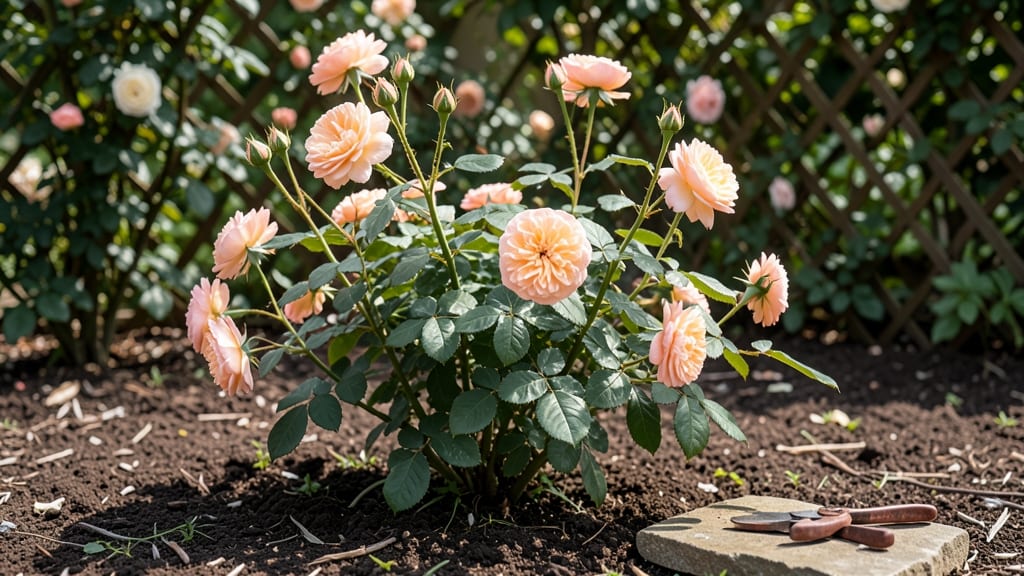
Transform your garden into a desert oasis with the Sahara rose flower, a stunning succulent-like plant that blooms wildly with almost no effort—just add sunlight and forgetfulness. 🌵 for dry climates or busy gardeners.
The first time I saw one in full bloom, I knew it would be the star of my patio.
You’ll need well-draining soil (think cactus mix with perlite), a sunny spot (at least 6 hours of direct sun daily), and a pot with drainage holes—no fancy equipment required.
Water deeply but infrequently: let the top 2 inches of soil dry out between waterings, and cut back almost completely in winter when it enters dormancy. The thick, waxy leaves and striking blooms make it a showstopper with almost no maintenance.
Pruning is simple: trim back leggy growth after flowering to encourage bushier shape, and watch for pests like mealybugs (wipe them off with rubbing alcohol). Root rot is the only real enemy—so never let it sit in soggy soil.
With the right care, you’ll get bold, trumpet-shaped blooms in shades of pink, red, or white that last for weeks.
This plant handles heat like a champ and even survives light freezes, making it ideal for USDA zones 10-12 (with protection in cooler areas). For indoor growers, a south-facing window or grow light keeps it happy year-round. Once established, it’s nearly indestructible—just water, sun, and occasional pruning.
📚 In This Guide
- What you need
- Instructions
- Tips and common mistakes
- Wrapping up and next steps
What you need
- ● Sahara Rose Plant: 1 healthy Adenium obesum plant (bare-root or potted, 6–12 inches tall for best results).
- ○ Optional: Seeds (if propagating from scratch—germination can take 2–4 weeks!).
- ● Well-Draining Soil Mix: 50% cactus/succulent mix (or regular potting soil).
- ● 30% perlite or pumice (for aeration).
- ● 20% coarse sand or grit (mimics desert conditions).
- ● Container or Garden Spot: Potted: 1–2 gallon container with drainage holes (terracotta or fabric pots ideal).
- ● Outdoor: Full sun location (6+ hours daily) with no frost risk (USDA Zones 10–11; indoor for colder climates).
- ● Basic Tools: 1 trowel or small shovel.
- ● 1 pair of sterilized pruning shears (for shaping/trimming).
- ● 1 watering can with a narrow spout (to avoid soil displacement).
- ○ Optional (But Helpful!): Slow-release fertilizer (e.g., 7-9-5 blend, half-strength).
- ● Mulch (e.g., gravel or lava rocks to retain heat and deter weeds).
- ● pH test kit (ideal range: 6.0–6.5).
- ● Grow lights (if indoor lighting is <6 hours/day).
- ● Knowledge Prerequisites: Patience! Sahara Roses thrive on neglect—overwatering is their #1 enemy. 💧🚫
- ● Basic understanding of pruning (trim leggy stems post-bloom to encourage bushiness).
Step-by-step guide to growing Sahara rose flowers
Here's how to cultivate these drought-tolerant beauties with confidence—no green thumb required.
🪴 Step 1: Select the Right Location and Soil
The Sahara rose thrives in full sun exposure—at least 6-8 hours daily—so choose a spot where it gets maximum afternoon light. I always pick the driest, sunniest corner of my garden because these plants despise soggy roots. Amend your native soil with sandy loam to mimic its desert origins. If your soil is heavy clay, mix in 20% coarse sand or perlite to improve drainage.
Test your soil's pH—ideal range is 6.0-7.5. If yours is too alkaline, add a thin layer of sulfur and re-test in a few weeks. The key is replicating the arid conditions of its native habitat. I like to mound the soil slightly when planting to create natural drainage channels.
☀️ Step 2: Plant at the Correct Depth and Spacing
Dig a hole twice as wide as the root ball but only as deep as the container it came in. Pressing the plant too deep suffocates the roots. Space your Sahara roses 3-4 feet apart—they need room to spread without competing for water. I always add a 1-inch layer of gravel at the bottom of the hole to prevent water pooling.
Gently remove the plant from its container and loosen any circling roots with your fingers. Place it in the hole so the top of the root ball sits level with the surrounding soil. Backfill with native soil mixed with sand, tamping lightly as you go. Water deeply right after planting to settle the soil around roots.
💧 Step 3: Establish a Watering Routine
Here's the thing—overwatering kills Sahara roses faster than underwatering. Water deeply once every 10-14 days during the first growing season, allowing the soil to dry completely between waterings. You'll know it's time when the top 2-3 inches of soil feel dry to the touch. I use a soaker hose to deliver water directly to the root zone without wetting the foliage.
After the first year, these plants become extremely drought-tolerant. In hot, dry climates, you might only need to water every 3-4 weeks during summer. Always water in the early morning to reduce evaporation and fungal risks. Mulch with 1-2 inches of gravel around the base to conserve moisture and deter weeds.
✂️ Step 4: Prune for Health and Blooms
Pruning encourages bushier growth and more abundant flowers. Wait until spring when new growth appears, then trim back one-third of the oldest stems to the ground. This rejuvenates the plant and prevents woody growth. I always sterilize my pruners with rubbing alcohol between cuts to prevent disease spread.
Deadhead spent blooms regularly to redirect energy into new flower production. Remove only the faded flowers—not the entire stem—unless it's leggy or diseased. Prune again lightly after flowering to shape the plant. The Sahara rose responds well to light pruning, so don't overdo it. Aim for an open, airy shape that allows sunlight to reach all parts of the plant.
🌿 Step 5: Protect Against Pests and Disease
These desert natives are generally pest-resistant, but scale insects and aphids can still appear. I treat infestations by spraying with neem oil (mixed 1:1 with water) every 7-10 days until pests disappear. Avoid chemical pesticides—they can harm beneficial insects that help control pests naturally.
Fungal diseases are rare but can occur if water sits on leaves. Always water at the base and avoid overhead irrigation. If you notice yellowing leaves or black spots, improve airflow by pruning back dense growth. The Sahara rose's natural resilience means it recovers quickly from minor issues—just address problems early before they spread.
Tips & tricks for cultivating Sahara rose flowers
Took me years to master these desert survivors—here’s what I wish I knew from the start.
Sunlight Strategy: Sahara roses demand 6-8 hours of direct sunlight daily, but I’ve learned that afternoon sun (2 PM to sunset) is most critical. If your garden gets partial shade, place your plants where they receive the most intense light possible—even a few hours of shade can reduce flowering dramatically. Position them near a south-facing wall or fence to maximize heat absorption during those crucial afternoon hours.
Soil Science: The sandy loam amendment isn’t just about drainage—it’s about replicating the Sahara rose’s native habitat. I’ve found that adding 20% perlite or coarse sand to clay soils creates the perfect balance: water drains quickly, but nutrients stay available. Test your soil’s pH before planting—if it’s above 7.5, amend with sulfur gradually (a little goes a long way) to avoid shocking the roots. The goal is to mimic the arid, well-draining soils where these plants thrive naturally.
Watering Wisdom: The 10-14 day watering schedule during the first year might seem extreme, but it’s non-negotiable. I use a moisture meter to check soil dryness—when the top 2-3 inches feel completely dry, it’s time to water. Overwatering is the #1 killer of Sahara roses, so resist the urge to water "just in case." After the first year, these plants become shockingly drought-tolerant, but even then, I only water every 3-4 weeks in summer. The key is deep, infrequent watering that encourages strong root growth.
Pruning Precision: When you’re trimming back one-third of the oldest stems in spring, aim for clean cuts just above a leaf node or bud. I’ve ruined several plants by pruning too aggressively—stick to the one-third rule and avoid cutting into old, woody growth. For deadheading, use sharp pruners to remove only the faded flowers, not the entire stem. This redirecting of energy is what triggers those stunning repeat blooms. And always sterilize your tools between cuts to prevent disease spread—trust me, a little rubbing alcohol goes a long way.
Pro Tips for Sahara Rose Flower
- Took me years to master these desert survivors—here’s what I wish I knew from the start.
- Sunlight Strategy: Sahara roses demand 6-8 hours of direct sunlight daily, but I’ve learned that afternoon sun (2 PM to sunset) is most critical.
- Soil Science: The sandy loam amendment isn’t just about drainage—it’s about replicating the Sahara rose’s native habitat.
Frequently asked questions
Got questions about growing the stunning Sahara Rose flower? You’re not alone!
Here are answers to the most common queries—from watering woes to sunlight secrets—so you can nurture this desert beauty with confidence.
How often should I water my Sahara Rose flower?
The Sahara Rose thrives on neglect—water it only when the top 2 inches of soil are completely dry. Overwatering is its #1 enemy! Aim for every 2–3 weeks in summer and monthly in winter. Use well-draining soil and a pot with drainage holes to prevent root rot. Pro tip: Let the soil dry out fully between waterings, even if it looks wilted!
How long does it take for a Sahara Rose to bloom?
Patience is key! With ideal conditions (full sun, minimal water, and well-draining soil), your Sahara Rose may produce its first blooms in 1–2 years. Some varieties take longer—up to 3 years—especially if grown from seed. Don’t rush it! Focus on healthy growth first; vibrant blooms will follow.
Can a Sahara Rose survive in partial shade?
While it can tolerate 3–4 hours of morning sun, full sun (6+ hours daily) is ideal for optimal blooms and resilience. Partial shade may lead to leggy growth or fewer flowers. If your space lacks full sun, place it near the brightest window or supplement with a grow light. Warning: Avoid deep shade—this plant needs sunlight to mimic its desert habitat!
What are some low-maintenance alternatives to the Sahara Rose?
If the Sahara Rose seems too finicky, try these drought-tolerant beauties:
- Lavender – Fragrant, thrives in poor soil, and loves heat.
- Succulents (e.g., Echeveria or Sedum) – Nearly indestructible and stunning.
- Agave – Spiky, architectural, and zero fuss.
- Portulaca (Moss Rose) – Blooms like crazy with almost no water!
Why are my Sahara Rose leaves turning yellow or brown?
Yellowing leaves usually signal overwatering or poor drainage. Brown, crispy edges? Underwatering or sunburn (too much direct midday heat). Check these fixes:
- Let soil dry completely between waterings.
- Ensure the pot has drainage holes and use cactus/succulent mix.
- Move to bright, indirect light if leaves scorch.
- Trim damaged leaves to encourage new growth.
Wrapping up and next steps
The Sahara Rose isn’t just a stunning desert beauty—it’s a symbol of resilience and low-maintenance elegance. With the right soil, sunlight, and minimal watering, you can cultivate this striking flower even in arid climates.
Whether you’re a seasoned gardener or a beginner, its hardy nature makes it a rewarding addition to any landscape.
Ready to bring a touch of the Sahara to your garden? Start by gathering your supplies and following the steps above—your desert oasis awaits! 🌵✨