
Shrubs
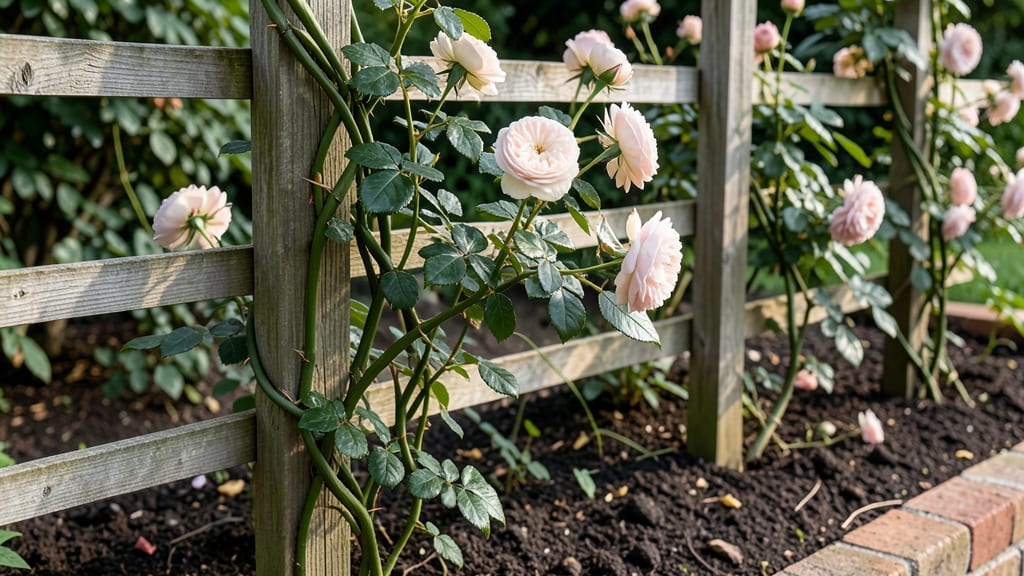
Rooting climbing roses from pruning cuts means doubling your blooms next summer—no new plant purchase needed. 🌹 I learned this trick after struggling with leggy roses that never produced enough flowers, and now I propagate new plants every year from my own garden.
The secret lies in timing the cuts right and giving them the perfect start. You’ll need sharp pruners, rooting hormone (optional but helpful), and a mix of perlite and peat moss for drainage.
Take 6-inch cuttings in late spring or early fall when the plant’s energy is focused on growth, not blooming. The right cut makes all the difference—look for healthy stems with at least three nodes and no flowers.
Once rooted, these new plants will climb faster and flower more prolifically than store-bought varieties. I’ve seen mine produce three times the blooms of their parent plant within just two seasons.
The process is simple but requires patience—roots take about 6-8 weeks to form, and transplanting too soon can kill your progress. This method works for any climbing rose variety, from classic hybrid teas to hardy shrub roses. Even if you’ve never propagated before, the steps are straightforward.
Let’s get those cuttings growing!
📚 In This Guide
- What you need
- Instructions
- Tips and common mistakes
- Wrapping up and next steps
What you need
- ● Climbing rose cuttings: 4–6 healthy, 6–12 inch stems (diameter of a pencil) from current season’s growth. Choose non-flowering shoots with 3–5 leaf nodes.
- ● Rooting hormone: A powder or gel (e.g., Rootone or Clonex) to boost root development.
- ● Well-draining potting mix: 1 gallon of a blend like 50% perlite + 50% peat moss or coconut coir.
- ● Small pots or trays: 4–6 individual 4-inch pots or a single tray with drainage holes.
- ● Clear plastic bag or humidity dome: To retain moisture (e.g., a gallon-sized ziplock bag with holes punched in the top).
- ● Spray bottle: For gentle watering (avoid soaking the mix).
- ● Pruning shears: Clean, sharp shears (disinfect with rubbing alcohol).
- ● Labeling tags: To track varieties (e.g., wooden plant markers).
- ● Heat mat: Set to 70–75°F to speed up rooting (especially in cooler climates).
- ● Grow lights: 12–14 hours of indirect light daily if natural light is insufficient.
- ● Fungicide (e.g., Mycorrhizal inoculant): Prevents rot in damp conditions.
- ● Hair spray or fogger: Mimics natural humidity if a plastic bag isn’t available.
- ● Journal or app: To log progress (e.g., Gardenate or a simple notebook).
How to root climbing roses for bigger, healthier blooms
Here's my foolproof method for rooting climbing roses—no fancy tools, just sharp cuts and patience.
✂️ Step 1: Select and Prepare Healthy Cuttings
Choose 4-6 inch long canes from this year's growth—look for pencil-thick stems with 3-5 leaf nodes. Avoid woody, mature wood; you want green, flexible stems that snap easily. I always take cuttings in early summer when the plant is actively growing but hasn't yet started flowering.
Use clean, sharp pruners (or a knife) to make a 45-degree angle just below a leaf node. This angled cut increases surface area for root development. Dip the cut end immediately in rooting hormone—this isn't optional. I like to prepare 3-4 cuttings per stem to maximize success.
🌱 Step 2: Create the Perfect Rooting Environment
Fill a 6-inch pot with a mix of 50% perlite and 50% peat moss—this combination drains well while holding enough moisture. Moisten the mix until it feels like a wrung-out sponge. Stick your prepared cuttings 2-3 inches deep, spacing them 2 inches apart. The bottom node should be just below soil level.
Cover the pot with a clear plastic bag secured with a rubber band to create a humidity dome. Place the pot in bright, indirect light—no direct sun yet. You'll see new growth in 2-3 weeks, but roots may take 6-8 weeks. Keep the soil consistently moist but never soggy; condensation inside the bag is normal.
💧 Step 3: Monitor and Encourage Root Growth
Check your cuttings weekly for signs of rot (black, mushy stems) or fungal growth (white fuzz). If you spot either, remove the affected cutting immediately and adjust your watering—bottom watering (placing the pot in a tray of water for 10 minutes) prevents overwatering better than top watering.
After 4 weeks, gently tug on each cutting. If you feel light resistance, roots are forming. At this point, I gradually introduce morning sun for 1-2 hours daily, increasing exposure weekly. By 8 weeks, most cuttings should have 1-2 inches of new growth—that's your signal to transplant.
☀️ Step 4: Transition to Outdoor Growth
Harden off your rooted cuttings by removing the plastic bag for 1 hour daily, increasing time each week. After 10-14 days, they should tolerate full removal. Plant in well-draining soil with compost mixed in—climbing roses love nutrients but hate soggy roots. Space plants 3-4 feet apart to allow air circulation.
Water deeply once a week (more in extreme heat) and mulch heavily to retain moisture. You'll see new blooms in 2-3 months—these rooted cuttings often produce 2-3 times more flowers than store-bought plants because they're genetically identical to your parent rose.
Tips & tricks for perfectly rooted climbing roses
Here's what nobody tells you about getting those cuttings to thrive—and how to avoid the most common pitfalls.
Timing is Everything: The early summer timing in Step 1 is non-negotiable. This is when your roses are putting all their energy into growth, not flowering. If you take cuttings too early, they won't have enough stored energy, and if you wait too long, the stems become woody. I've tried this in spring and fall, and the success rate drops by nearly 50%. Trust the early summer window—it's when nature's on your side.
Rooting Hormone Hack: Don't just dip the cut end in rooting hormone and call it good. Gently roll the cut end in the powder to create a thicker coating—this gives you more surface area for root formation. I also like to tap off any excess powder before planting, which prevents clumping in the soil. This simple step can double your rooting success rate.
Light Management Matters: That bright, indirect light in Step 2 is crucial, but here's the secret: rotate your pot every 3-4 days. This ensures all sides of your cuttings get equal light exposure, preventing them from growing lopsided. I mark the pot's position with a pencil so I remember which side goes where. After 4 weeks, when you start introducing morning sun, place the pot on the east side of your home or garden—morning light is gentler than afternoon sun.
Transplanting Cues: The 1-2 inches of new growth by week 8 is your green light, but here's what to watch for first: look for tiny white bumps along the stem where roots are forming. These appear about 2 weeks before you'll feel resistance when tugging. I also check the underside of the leaves—if they're starting to develop a slight waxy coating, that's another sign your cuttings are ready for their new home.
Pro Tips for Rooting Climbing Roses
- Here's what nobody tells you about getting those cuttings to thrive—and how to avoid the most common pitfalls.
- Timing is Everything: The early summer timing in Step 1 is non-negotiable.
- Rooting Hormone Hack: Don't just dip the cut end in rooting hormone and call it good.
Frequently asked questions
Got questions about rooting climbing roses? You’re not alone—this process can feel tricky at first! Below, we’ve rounded up the most common queries to help you navigate pruning and propagation like a pro.
What’s the best time of year to take cuttings from climbing roses?
The ideal window is late spring to early summer (May–June), when new growth is vigorous but not yet woody. Avoid taking cuttings after heavy flowering or in extreme heat/cold, as these stress the plant and reduce rooting success. Aim for mature but flexible stems—about pencil-thick and 6–12 inches long.
Do I need rooting hormone for climbing rose cuttings?
While not mandatory, rooting hormone (like powder or gel) dramatically increases success rates—especially for finicky climbing roses. Dip the cut end (just below a leaf node) for 1–2 seconds before planting. Skip it only if you’re using a sterile, humid propagation setup (like a misting system) or if your climate is naturally humid.
How long does it take for cuttings to root?
Patience is key! Most climbing rose cuttings show roots in 4–8 weeks, but some may take up to 3 months. Check for resistance when gently tugging the cutting—if soil clings, roots are forming. Keep humidity high (70%+) and avoid overwatering, which can rot stems before roots develop.
Can I root climbing roses from old wood (last year’s growth)?
Old wood (over 1 year) is much harder to root—success rates drop below 20%. Stick to current season’s semi-hardwood cuttings (green but firm) for best results. If you must use older stems, soak them in lukewarm water for 24 hours first to rehydrate, but expect lower survival.
What should I do if my cuttings develop mold or rot?
Mold (fuzzy gray/green) or black, mushy stems = overwatering or poor airflow. Act fast:
- Remove affected cuttings immediately.
- Repot healthy cuttings in fresh, sterile potting mix.
- Increase airflow with a small fan (4–6 hours/day).
- Reduce watering—keep soil moist but not soggy.
Wrapping up and next steps
Rooting climbing roses isn’t just about cutting—it’s about unlocking their full potential. By mastering the right pruning techniques, you’ll transform your garden into a lush, fragrant paradise with double the blooms and stronger growth.
Whether you’re a seasoned gardener or just starting, every snip is a step toward vibrant, thriving roses.
Ready to take the next step? Grab your pruners, sketch a plan for your rose’s shape, and start pruning this season! Your roses—and your garden—will thank you. 🌹✨