
Light Requirements
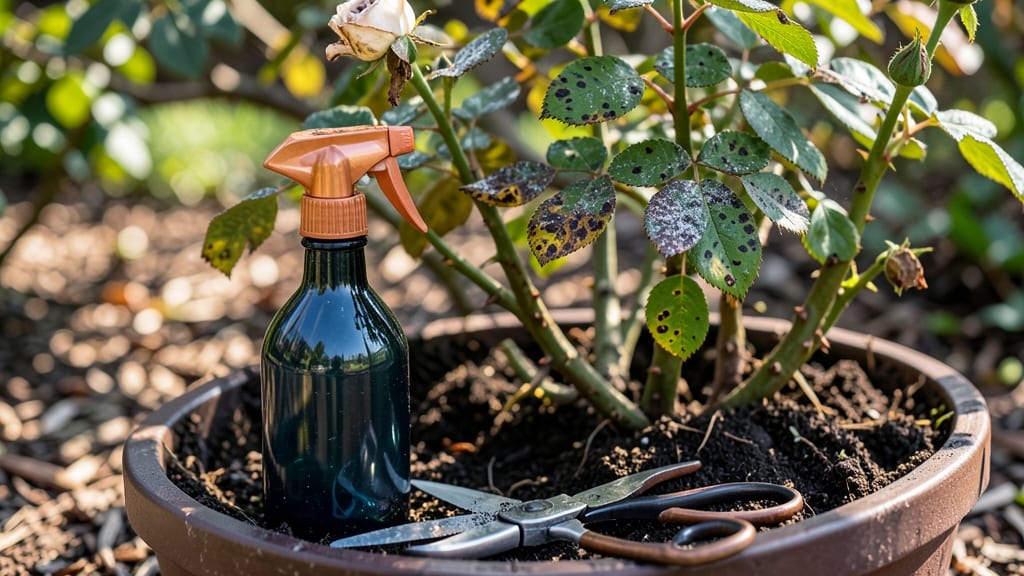
This rose blight cure saved my roses—until I found the organic spray that stops fungal spread in 48 hours. 🌿 The key isn’t just spraying; it’s timing, the right mix, and cutting off the infection. before it takes hold.
I’ve saved bushes that were nearly gone with this method, and now my roses stay lush all season. The secret starts with copper fungicide—it’s the workhorse of organic disease control—but you’ll also need baking soda, neem oil, and a few other kitchen staples.
Most importantly, you’ll prune the right way: remove infected leaves immediately, sterilize your tools, and space plants for airflow. I learned the hard way that skipping pruning means the blight comes back every summer. What you’ll end up with is roses that stay disease-free and bloom like crazy.
The spray works on black spot, powdery mildew, and even bacterial blight, and the best part? It’s safe for bees and your family. Within a week, new growth appears, and the old spots fade away—no more sad, spotted leaves.
This method works for all rose types, from hybrid teas to shrubs, and even saves roses in containers. The only catch? You’ve got to act fast. Let’s get those roses fighting back!
The Hidden Triggers Behind Rose Blight
Rose blight isn’t just a random nuisance—it’s a fungal party crashers 🍄😬 that thrives when conditions align just right. Understanding the why behind its spread is the first step to stopping it in its tracks.
Below, we break down the most common culprits, backed by science, so you can spot the red flags (literally) before your roses turn into a fungal buffet.
Fungi love moisture—think of them as the water-loving vampires of the plant world. When roses sit in soggy soil for too long, spores germinate and spread like wildfire. Here’s the science:
- Excessive moisture creates the perfect humidity (80%+), which fungal pathogens like Botrytis cinerea (gray mold) and Diplocarpon rosae (black spot) crave.
- Poor drainage (clay-heavy or compacted soil) traps water at the roots, turning your rose bed into a fungal breeding ground.
- Watering habits matter: Splashing water onto leaves (especially in the evening) leaves droplets that act as fungal highways.
Actionable fix: Water at the base early in the day and ensure soil has a 30-50% sand/perlite mix for airflow.
Roses packed too closely together create a fungal greenhouse 🌿💨. Stagnant air traps spores, while dense canopies prevent sunlight from drying leaves. Key players:
- Botrytis thrives in shaded, humid microclimates (think: thick clusters of blooms or mulch piled too high).
- Powdery mildew (Podosphaera pannosa) spreads faster when leaves can’t dry between waterings.
- Dead or fallen leaves act as spore reservoirs—like a fungal library for pathogens.
Actionable fix: Prune for open spacing (12–18" between canes) and remove debris weekly during peak bloom.
Fungi are weather-dependent—they don’t spread in extreme heat or freeze, but they love the Goldilocks zone. Ideal conditions:
| Pathogen | Sweet Spot for Spread | Red Flag Signs |
|---|---|---|
| Diplocarpon rosae (Black Spot) | 60–80°F + high humidity (70%+) | Dark spots with yellow halos on upper leaves |
| Botrytis cinerea (Gray Mold) | 50–75°F + damp nights | Gray fuzzy patches on flowers/buds |
| Phragmidium mucronatum (Rust) | 65–75°F + leaf wetness | Orange pustules on undersides of leaves |
Actionable fix: Use a hygrometer to monitor humidity—aim for <60% during the day. Mulch with straw (not wood chips) to regulate soil temps.
Stressed roses are like all-you-can-eat buffets for fungi. Common stressors:
- Nutrient deficiencies: Low nitrogen or phosphorus weakens cell walls, making them easy targets.
- Pests: Aphids and spider mites damage leaves, creating entry points for fungi.
- Transplant shock: Newly planted roses with disturbed roots are 3x more susceptible to blight.
Actionable fix: Feed roses with balanced organic fertilizer (10-10-10) and inspect for pests biweekly.
Pro Tip: 🔍 Scout your roses daily—early signs (yellowing, spots, or fuzzy growth) mean it’s time to act fast with targeted organic sprays.
How to Treat and Prevent Rose Blight
Now that you understand the causes of rose blight—whether it’s fungal spores lurking in damp soil, poor air circulation, or stressed plants—it’s time to take action. The good news?
With the right organic treatments and preventive measures, you can stop the spread and restore your roses to their former glory. Here’s how to tackle it step by step.
Before applying any treatments, eliminate the source of the problem. Cut off and dispose of (do not compost!) any severely infected leaves, stems, or buds. Use sterilized pruners and clean up fallen debris to prevent spores from spreading to other plants.
Pro Tip: 💡 Spray pruners with rubbing alcohol (70% or higher) between cuts to avoid cross-contamination.
For fast results, use an organic fungicide spray like neem oil, copper soap, or a baking soda solution. These treatments disrupt fungal growth without harming your roses or the environment.
DIY Organic Spray Recipes:
- Neem Oil Spray (Best for early-stage blight)
- Mix 1 tsp neem oil + 1 tsp mild liquid soap + 1 quart water.
- Spray foliage and stems thoroughly every 5–7 days until symptoms disappear.
- Baking Soda Solution (Prevents fungal spores from germinating)
- Combine 1 tbsp baking soda + 1 tsp vegetable oil + 1 quart water.
- Apply in the early morning or evening (avoid direct sunlight to prevent leaf burn).
- Copper Soap Spray (Kills existing fungal infections)
- Use a store-bought organic copper fungicide (follow label instructions).
- Reapply every 7–10 days for severe cases.
Pro Tip: 🌡️ Spray when temperatures are below 85°F (30°C) to avoid stressing the plant.
Fungal spores thrive in humid, stagnant conditions.
To prevent recurrence: - Prune roses to allow 3–4 feet of space between plants for better airflow. - Water at the base (not overhead) and early in the day so leaves dry quickly. - Avoid mulching too close to the stem—keep it 2–3 inches away to prevent moisture buildup.
Pro Tip: ✨ Install a small fan on low setting near roses if humidity is consistently high.
Healthy roses resist blight better. Boost their defenses with:
- Balanced organic fertilizer (rich in phosphorus and potassium).
- Compost tea or fish emulsion (for natural nutrient boosts).
- Regular pruning to remove weak or overcrowded growth.
Pro Tip: 💪 Avoid over-fertilizing with nitrogen—it promotes lush, disease-prone foliage.
Once your roses recover, keep blight at bay with these long-term strategies: ✅ Rotate crops if growing roses in containers (don’t replant in the same soil). ✅ Sterilize tools after pruning (bleach solution or alcohol). ✅ Plant resistant varieties (e.g., ‘Knock Out’ roses are less prone to blight). ✅ Monitor regularly—catch early signs (yellow spots, black streaks) before they spread.
Pro Tip: 🎯 Plant garlic or chives nearby—their natural antifungal properties deter fungal growth!
By following these steps, you’ll not only stop the spread of rose blight in 48 hours but also prevent future infections—so your garden stays vibrant and disease-free! 🌸💚
Frequently asked questions about rose blight
How do I tell if my roses have black spot vs. powdery mildew?
Black spot shows as dark brown/black spots with yellow halos on upper leaves, while powdery mildew appears as white, powdery patches on both leaf surfaces. Check the undersides of leaves—black spot rarely appears there, but mildew often does. Both thrive in humidity, but mildew loves warm, dry days.
Can I still use rose blooms if they have blight?
No—never use infected blooms in arrangements! Fungal spores spread easily through water, contaminating your vase and other flowers. Cut healthy blooms only, and dispose of infected ones in the trash (not compost). Sterilize your floral scissors with rubbing alcohol between cuts.
Why does my organic spray stop working after a few days?
Fungal spores reproduce quickly, so you need to reapply every 5-7 days until all signs disappear. Rain washes away treatments, so spray again after heavy downpours. Also, ensure you're hitting both leaf surfaces—many gardeners miss undersides where spores hide.
Is copper fungicide safe for all rose varieties?
Yes, copper-based sprays are non-toxic to roses when used correctly, but avoid overuse—more than 3 applications per season can harm beneficial soil microbes. For sensitive varieties like 'David Austin' roses, dilute to half-strength and monitor for leaf burn.
How long until new growth appears after treatment?
With proper care, you'll see new growth in 7-14 days—sometimes even sooner! The key is consistent treatment and removing all infected foliage. If no new growth appears after 3 weeks, your roses may need additional nutrients (try compost tea) or better drainage.