
Diseases
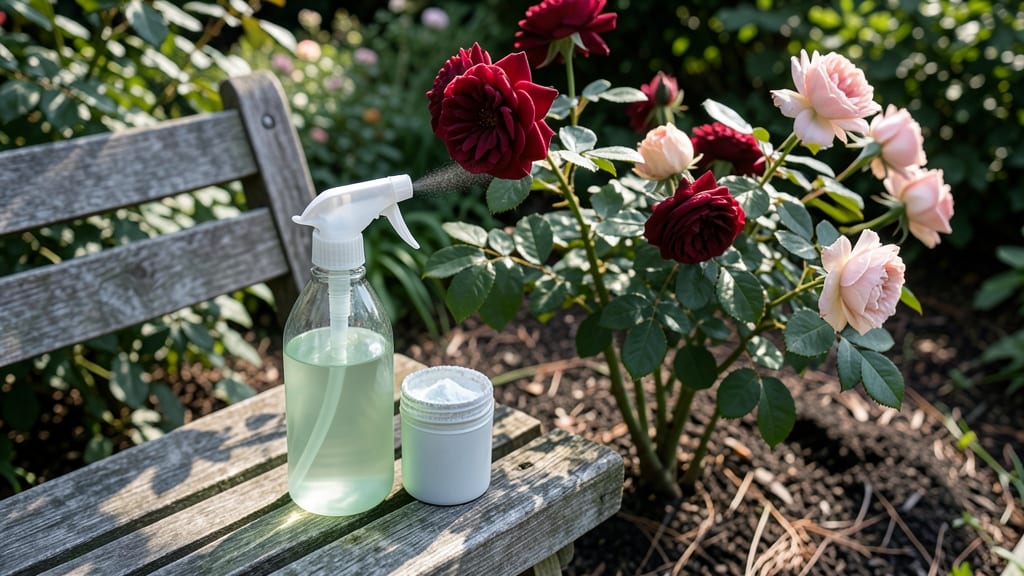
This organic fungicide for roses can turn your roses from vibrant blooms to skeletal branches in days—but this copper soap spray stops it fast. 🌿 I’ve battled black spot for years, and this foolproof organic mix works where chemical sprays fail, without harming bees or your soil.
The secret lies in copper’s natural antimicrobial power combined with soap’s ability to cling to leaves. Most store-bought organic fungicides miss this combo, leaving your roses vulnerable. This recipe uses household ingredients (copper sulfate, castile soap, and water) to create a spray that penetrates fungal spores and prevents regrowth.
You’ll see noticeable improvement in 7-10 days—fewer dark spots, healthier foliage, and roses that keep blooming all season. The spray also prevents powdery mildew and rust, giving your plants a full shield against common fungal threats.
Works for all rose types, from hybrid teas to climbers, and can be used preventively every 2 weeks or as a cure during outbreaks. Here’s exactly how to mix and apply it—no guesswork, just results.
Root Causes Of Rose Fungus
Fungal diseases like black spot, powdery mildew, and rust don’t just appear out of nowhere—they thrive because of specific conditions that create the perfect storm for spores to germinate and spread.
Understanding why these issues plague roses helps you take proactive steps to prevent them before they take hold. Here’s a breakdown of the key culprits:
Roses need airflow to stay healthy—without it, moisture lingers on leaves, creating a damp, humid microclimate that fungi love. When plants are too close together, spores can jump from leaf to leaf like a fungal game of telephone.
Even a single infected leaf can spread disease to an entire bush if conditions are right.
- Why it matters: Fungal spores need 8–12 hours of leaf wetness to germinate. Overcrowding extends this window, giving pathogens more time to invade.
- Actionable fix: Space roses 3–4 feet apart and prune to improve airflow. Remove lower leaves that brush against wet soil.
Water is the #1 enemy of fungal-free roses. While roses need consistent moisture, soggy soil and wet foliage are a fungal buffet. Overwatering, heavy clay soil, or containers without drainage holes create the ideal breeding ground for pathogens like Diplocarpon rosae (black spot).
| Issue | Fungal Risk | Solution |
|---|---|---|
| Watering at wrong times (e.g., late afternoon) | Leaves stay wet overnight → spores germinate | Water early morning so foliage dries by sunset |
| Compacted or waterlogged soil | Roots suffocate → stress → fungal entry points | Amend soil with compost or perlite; raise beds if needed |
| Drip irrigation without foliage shields | Water droplets land on leaves → fungal spread | Use soaker hoses or shield spray heads to avoid wetting leaves |
Fungal spores are persistent—they can survive in dead leaves, mulch, and even on pruners for years. If you prune an infected rose and then use the same shears on a healthy one, you’re essentially seeding the disease.
Similarly, leaving fallen leaves or spent blooms in the garden gives spores a home.
- Why it matters: Spores can hitchhike on tools, shoes, or even wind to infect new plants.
- Actionable fix:
- Sterilize pruners with rubbing alcohol (70%+) or a 10% bleach solution between cuts.
- Remove all infected leaves and debris; do not compost them—burn or trash instead.
- Mulch with straw or pine needles (avoid wood chips, which can harbor spores).
Fungi thrive in warm (60–80°F), humid conditions—think summer afternoons or shaded gardens. But here’s the kicker: too much nitrogen (common in fast-release fertilizers) makes roses grow soft, lush foliage that’s more susceptible to fungal infections. It’s like giving a rose a sugar rush—it grows fast but weak.
- Why it matters: Nitrogen-heavy plants have thinner cell walls, making it easier for fungal hyphae (root-like structures) to penetrate.
- Actionable fix:
- Balance fertilizer with phosphorus and potassium (e.g., 5-10-10 ratio) to strengthen plant defenses.
- Increase airflow with pruning and spaced planting to reduce humidity.
- Water deeply but less frequently to encourage strong root systems.
Stressed roses are like open invitations to fungi. Drought stress, nutrient deficiencies, or pest damage weaken a rose’s natural defenses, making it easier for pathogens to take hold. For example, roses lacking magnesium or calcium develop intercellular spaces in their leaves—perfect entry points for fungal spores.
- Signs of stress:
- Yellowing between leaf veins (magnesium deficiency)
- Stunted growth or small, dark leaves (nitrogen or iron deficiency)
- Wilting despite moist soil (root damage or fungal root rot)
- Actionable fix:
- Test soil pH (aim for 6.0–6.5) and amend with lime (to raise pH) or sulfur (to lower it) if needed.
- Use compost tea or fish emulsion for a gentle nutrient boost without overloading nitrogen.
- Monitor for pests (e.g., aphids, spider mites) that stress roses—treat early with neem oil.
💡 Pro Tip: The best defense is prevention. Start with resistant rose varieties (e.g., ‘Knock Out’ roses or ‘Dr. Huey’ for black spot resistance) and rotate organic fungicides (like copper soap spray) every 7–10 days during peak fungal season (spring to fall).
Natural Remedies That Work Fast
When black spot or powdery mildew strikes your roses, panic isn’t the answer—action is! Organic fungicides made from kitchen staples and garden-friendly ingredients can restore your roses to full bloom without harsh chemicals.
Below, we’ll tackle the most common fungal issues with practical, step-by-step solutions, plus prevention tips to keep your roses thriving long-term.
Black spot is the #1 fungal foe of roses, but copper soap spray is a powerhouse for eradicating it. This DIY remedy combines copper (a natural fungicide) with soap (to help it stick to leaves).
🔥 Step 1: Gather Your Ingredients
You’ll need just four things:
- 1 teaspoon copper sulfate (or copper fungicide like Bonide Copper Fungicide)
- 1 teaspoon liquid castile soap (or mild dish soap in a pinch)
- 1 gallon water (lukewarm, not hot)
- 1 tablespoon baking soda (optional, for extra alkalinity)
👨🍳 Step 2: Mix the Solution
In a clean spray bottle or pump sprayer:
- Dissolve the copper sulfate in a small amount of water first (to prevent clumping).
- Add the castile soap and baking soda (if using), then stir well.
- Fill the rest of the bottle with water and shake gently.
- Test on a small leaf first to ensure it doesn’t cause browning.
🥘 Step 3: Apply Like a Pro
Spray thoroughly on both sides of leaves, stems, and buds—especially on the undersides where spores love to hide. Reapply every 7–10 days or after rain.
✨ Pro Tip:
For severe infections, add 1 tablespoon neem oil to the mix. Neem oil smothers fungal spores while also repelling pests. Shake before each use—neem oil separates!
Powdery mildew leaves a chalky white film on leaves, but a simple baking soda spray can banish it in days. This remedy is gentle, fast-acting, and safe for bees.
🍳 Step 1: Whip Up the Spray
Combine in a spray bottle:
- 1 teaspoon baking soda
- 1 teaspoon horticultural oil or vegetable oil (helps the solution stick)
- 1 teaspoon soap (dish or castile)
- 1 quart water
🔪 Step 2: Spray at the Right Time
Apply early in the morning or late afternoon when the sun isn’t scorching. Avoid spraying if rain is forecast within 24 hours (it’ll wash off).
⏰ Step 3: Repeat for Results
Spray every 5–7 days until the mildew disappears. For prevention, apply monthly during humid seasons.
💡 Prevention Hack:
Improve air circulation around your roses by pruning crowded branches and spacing plants 3–4 feet apart. Mildew thrives in damp, stagnant air!
Even the best fungicides work better on healthy roses. Follow these preventive care tips to keep fungi at bay:
🌱 Soil & Watering Tips
- Water at the base, not overhead. Wet leaves = fungal buffet. Use a drip irrigation system or soaker hose.
- Avoid mulching too close to the stem (keep 2–3 inches away to prevent moisture buildup).
- Improve drainage by amending soil with compost or sand if your garden stays soggy.
🌞 Sun & Spacing
- Plant roses in full sun (6+ hours/day). Fungi love shade and humidity.
- Prune for airflow: Remove dead or crossing branches to reduce hiding spots for spores.
🍃 Natural Fungicide Boosters
Rotate these organic preventatives to keep roses resilient:
- Garlic spray: Blend 2 cloves garlic + 1 quart water, strain, and spray weekly.
- Chamomile tea: Steep 1 cup dried chamomile in 4 cups boiling water, cool, and spray.
- Compost tea: Rich in beneficial microbes that outcompete harmful fungi.
With these organic fungicide recipes and preventive habits, your roses will stay spot-free and disease-resistant. Start treating early, and your garden will thank you with vibrant blooms all season!
Frequently asked questions
Can I use this organic fungicide on roses that are already in bloom?
Yes! Organic fungicides like copper soap spray are safe for blooming roses, but apply them early in the morning so the solution dries before evening dew forms. Avoid spraying directly on open blooms to prevent residue buildup. For extra protection, focus on leaves and stems where fungal spores hide.
How often should I apply organic fungicides to roses?
For prevention, spray every 7–14 days during peak fungal season (spring to fall). If treating an active infection, apply every 5–7 days until symptoms disappear. Always reapply after heavy rain, as water washes away the protective layer.
Will organic fungicides work as well as chemical ones?
Organic fungicides are slightly less potent than synthetic chemicals but safer for bees, soil, and humans. For severe infections, combine organic sprays with cultural controls (pruning, airflow) for best results. Many gardeners report 70–90% effectiveness with consistent use—far better than doing nothing!
Can I mix copper fungicide with other organic treatments?
Yes, but test small areas first. Copper pairs well with neem oil (for extra fungal/pest control) or baking soda (for powdery mildew). Avoid mixing with hydrogen peroxide (can degrade copper) or oil-based sprays (may clog foliage). Always shake well before use!
What should I do if my roses keep getting fungal diseases despite treatment?
Check for underlying issues first: poor drainage, overcrowding, or nutrient deficiencies. Rotate fungicides (e.g., copper one week, baking soda the next), and consider resistant rose varieties. If problems persist, test soil pH (ideal: 6.0–6.5) and adjust with lime or sulfur.