
Pruning
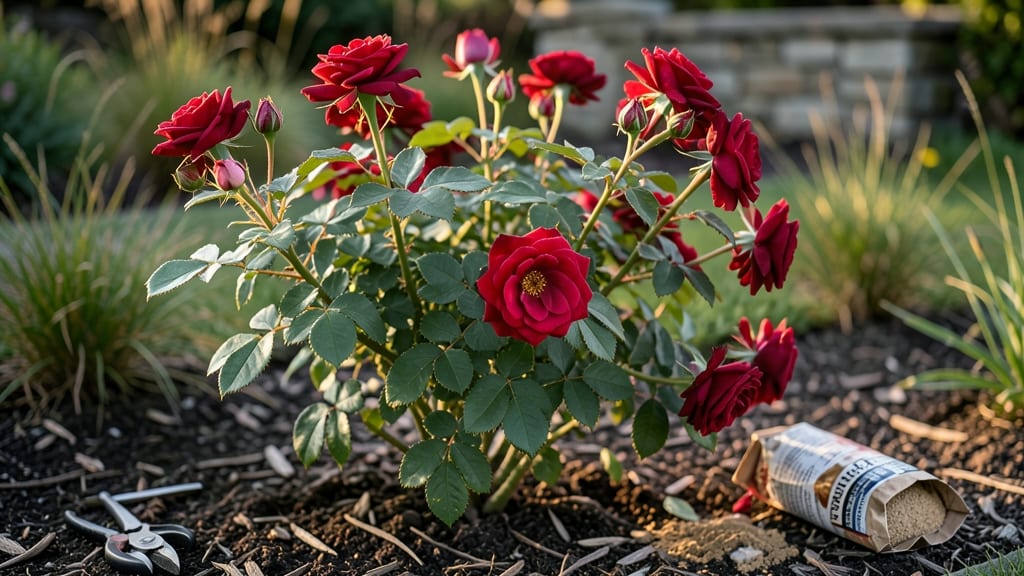
Your rose bushes need 6 to 8 hours of sunlight daily—any less and you’ll end up with weak stems and sparse blooms. 🌞 I learned this the hard way when my hybrid teas stretched like overcaffeinated teenagers, all legs and no flowers.
The right sunlight isn’t just about quantity; it’s about timing and how you adjust pruning to keep energy flowing where it counts. Most roses thrive in full sun, but a few varieties—like the David Austin English roses—can handle morning sun and afternoon shade, especially in hot climates.
The key is watching your plants: if new growth looks pale or leggy, they’re begging for more light. Prune strategically in early spring to open the center to sunlight, and you’ll see stronger canes and bigger blooms by summer.
What you’ll get is a bush that blooms prolifically all season, with stems sturdy enough to support the weight of those gorgeous flowers.
The difference between a struggling rose and a showstopper often comes down to these small adjustments—light, pruning, and a little extra attention to what your plants are telling you. This works for climbing roses, shrub roses, and hybrid teas alike.
The same principles apply whether you’re dealing with a single bush or a full rose garden—just scale the pruning and sunlight observations accordingly.
📚 In This Guide
- What you need
- Instructions
- Tips and common mistakes
- Wrapping up and next steps
What you need
- ● Pruning shears: Bypass pruners (sharp, sterilized) for clean cuts. Pro tip: 💡 Size up for thick stems (4–6" blades).
- ● Loppers: For thicker branches (1–2" diameter).
- ● Hand pruners: For delicate trimming (smaller stems).
- ● Gloves: Heavy-duty garden gloves (cut-resistant, sun-protective).
- ● Disinfectant: 70% isopropyl alcohol or bleach solution (1 part bleach to 9 parts water) to sterilize tools between cuts.
- ● Rake or broom: For clearing debris post-prune.
- ○ Pruning sealant (optional but helpful): For large cuts (e.g., Tanglefoot Tree Wound Pruning Seal).
- ● Sunny day: Choose a bright, overcast morning (avoid midday sun to prevent stress).
- ● Water: Lightly water the rose bush 1–2 hours before pruning (hydrated stems cut cleaner).
- ● Weather check: Prune when temps are above 50°F (10°C) and no rain is forecasted for 24 hours.
- ● Pruning guide: Print or use an app (e.g., Gardenate) for rose-specific cut angles.
- ● Hose with nozzle: For rinsing tools and rose foliage post-prune.
- ● Compost bin: Collect clippings for nutrient-rich compost.
- ● Stake or support: If pruning heavily, add temporary stakes to support new growth.
How to prune rose bushes for maximum sunlight exposure
Sunlight is the secret weapon for vibrant roses—here's how to prune for year-round health and blooms.
☀️ Step 1: Identify and Remove Dead or Weak Wood
Start by examining your rose bush for any branches that are brown, brittle, or completely devoid of leaves. These are dead and should be removed immediately—they drain energy from healthy growth. Use clean, sharp pruners to make a clean cut just above an outward-facing bud or lateral branch. I like to work on cloudy days when the sun isn't intense, so the bush isn't stressed.
Look for branches that are thinner than a pencil or growing inward toward the center of the bush. These weak stems compete with stronger growth for sunlight and nutrients. You'll know you're doing it right when you're left with a framework of sturdy, outward-growing branches that create an open, airy structure. This open center allows sunlight to penetrate all the way to the base, encouraging new growth from the bottom up.
✂️ Step 2: Thin Out Crowded Branches for Better Airflow
Next, focus on thinning out the bush to improve airflow and sunlight penetration. Remove any branches that are crossing or rubbing against each other—they create wounds that invite disease. Aim to thin the bush so light can reach the center. I start at the top and work my way down, removing about a third of the oldest wood to encourage new, vigorous growth from the base.
Pay attention to the age of the branches—older wood is usually thicker and darker. Cut these back to encourage younger, more flexible growth. You'll see the difference immediately as you step back: the bush should look more balanced and open. This thinning step is crucial for preventing fungal issues like black spot, which thrives in shaded, damp conditions.
🌿 Step 3: Shape for Sunlight and Growth Direction
Now it's time to shape the bush for optimal sunlight exposure. Look for branches that are growing inward or downward—they block light from reaching other parts of the plant. Cut these back to an outward-facing bud, which will encourage growth in the right direction. I make my cuts at a 45-degree angle, about ¼ inch above the bud, to prevent water from pooling and causing rot.
For each remaining branch, aim to create a natural, vase-like shape. This allows sunlight to reach all parts of the bush evenly. Step back frequently to check your progress—you should be able to see light filtering through to the center. Avoid cutting more than ⅓ of the bush in one season, as this can stress the plant. The goal is to maintain a strong structure while encouraging new growth from the base where sunlight is often limited.
Tips & tricks for perfect rose bush pruning
These simple strategies will help you prune like a pro—keeping your roses healthy and thriving all season long.
Timing is Everything: The best time to prune is in early spring, just as new growth begins. This gives your roses plenty of time to recover before summer heat arrives. If you're pruning for summer blooms, do it right after the first flush of flowers fades. Avoid pruning in fall—it stimulates new growth that won't harden off before winter. I've learned this the hard way after seeing new growth get frostbitten!
Tool Prep Matters: Clean, sharp pruners are non-negotiable. Before you start, wipe your blades with rubbing alcohol to prevent spreading disease between plants. Dull blades crush stems instead of making clean cuts, which invites infection. I keep a small bottle of rubbing alcohol in my gardening toolbox just for this purpose—it takes 30 seconds and saves hours of trouble later.
Visual Cue for Cuts: When making your 45-degree cuts in Step 3, imagine you're making a smiley face. The cut should slope away from the bud, creating a tiny roof that protects the bud from rain. This simple mental trick helps me get the angle perfect every time. The ¼-inch clearance above the bud is crucial—it prevents water from pooling and causing rot.
Seasonal Adjustments: For climates with mild winters, you can do a light pruning in late winter to remove any winter-damaged branches. In colder zones, wait until after the last frost before pruning. I've noticed that roses in my zone 6 garden respond best to this late-winter trim—it gives them a head start on new growth before the heat of summer arrives.
Pro Tips for Rose Bush Sunlight
- These simple strategies will help you prune like a pro—keeping your roses healthy and thriving all season long.
- Timing is Everything: The best time to prune is in early spring, just as new growth begins.
- Tool Prep Matters: Clean, sharp pruners are non-negotiable.
Frequently asked questions
Got questions about keeping your rose bush thriving in sunlight? You’re not alone! Here are some common concerns—and expert answers—to help you prune like a pro.
How much sunlight do roses really need for healthy pruning?
Roses crave 6–8 hours of direct sunlight daily for vigorous growth. If your bush gets partial shade (e.g., morning sun + afternoon shade), prune lightly to avoid stress. Pro tip: Watch for yellowing leaves—this often signals insufficient light or over-pruning. Adjust cuts based on your rose’s energy levels!
When is the best time to prune roses in full sun?
Timing matters! Prune late winter to early spring (just before new growth starts) for hybrid teas and floribundas. For climbers/ramblers, wait until right after blooming. Warning: Avoid pruning in extreme heat or drought—roses heal best in cool, moist conditions.
Should I prune roses differently in intense sunlight vs. partial shade?
Yes! In full sun, aim for open-center pruning (cut back ⅓ of the bush) to encourage airflow and blooms. In partial shade, prune less aggressively (10–20%) to avoid stress. Key rule: Never remove more than ⅓ of the bush in one session—roses are resilient but not indestructible!
What if my rose bush stops blooming after pruning in sunlight?
Bloomless roses often signal over-pruning, poor nutrition, or stress. Check for:
- Dead/weak canes (cut them out completely).
- Balanced fertilizer (high phosphorus for flowers).
- Watering depth (1–2 inches weekly; deeper in sun).
Can I prune roses in sunlight without sharp tools?
Never! Dull shears crush stems and invite disease. Use:
- Bypass pruners (for clean cuts).
- Loppers (for thicker branches).
- Disinfect tools with rubbing alcohol between cuts to prevent fungal spread.
Wrapping up and next steps
Mastering the art of pruning your rose bush in sunlight isn’t just about trimming—it’s about nurturing a thriving, vibrant plant that rewards you with stunning blooms year-round.
Whether you’re refining your technique or just starting, these three strategic cuts will set your rose bush up for long-term success and healthier growth. 🌸
Now that you’re armed with the right tools, timing, and tips, take action! Grab your pruners, step outside, and give your rose bush the care it deserves. Watch it flourish—your future garden will thank you!
Next step: Mark your calendar for your next pruning session and observe how your rose bush transforms with each careful cut. Happy gardening! 🌞