
Vegetables
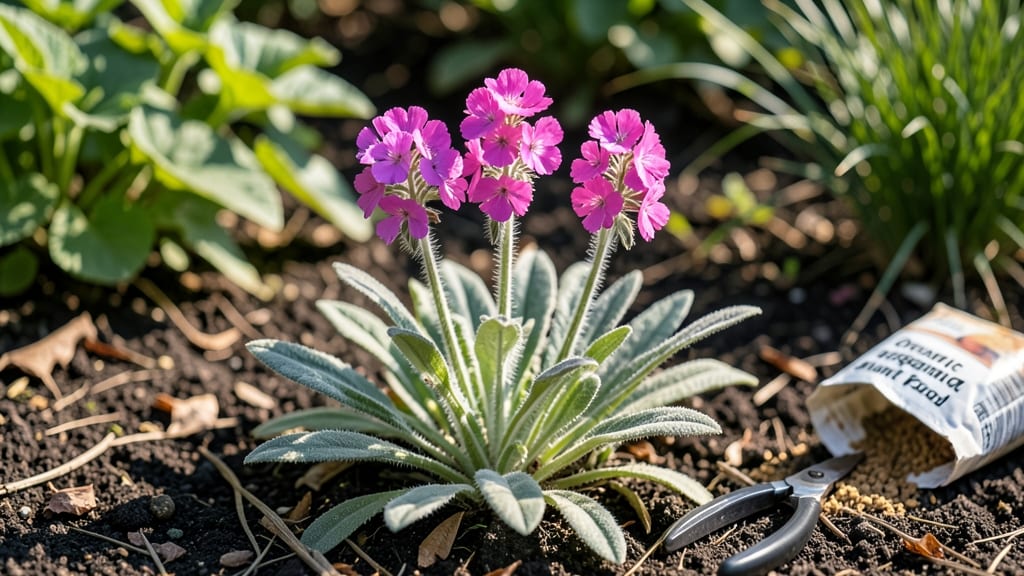
Rose campion leaves turn yellow, spotty, or wilt—often signaling fungal infections or nutrient stress. 🌿 I’ve battled these issues in my own garden, and the key lies in early diagnosis and targeted care. Yellowing often points to overwatering or nitrogen deficiency, while spots suggest powdery mildew or bacterial infections.
Prune affected foliage immediately to prevent spread, then apply a neem oil solution (1 tbsp per quart of water) or copper fungicide for fungal issues. For nutrient deficiencies, amend soil with balanced fertilizer (10-10-10) and ensure 6+ hours of sunlight daily. Preventative mulching with straw also reduces soil-borne pathogens.
📚 In This Guide
- What you need
- Instructions
- Tips and common mistakes
- Wrapping up and next steps
What you need
- ● Rose campion leaves: 1 cup (fresh, organic, and pesticide-free—aim for Lychnis coronaria or similar varieties). Pro tip: 💡 Harvest leaves in the morning for maximum flavor and nutrients!
- ○ Fresh herbs (optional but recommended): ¼ cup of mixed greens like parsley, basil, or cilantro for added depth.
- ● Lemon juice: 1 tablespoon (freshly squeezed for brightness).
- ● Extra virgin olive oil: 2 tablespoons (cold-pressed for best results).
- ● Salt: ½ teaspoon (or to taste—use sea salt or Himalayan pink salt for a gourmet touch).
- ● Water or broth: ½ cup (for soups or infusions—use vegetable or chicken broth for extra flavor).
- ● Sharp chef’s knife and cutting board (for clean, even chopping).
- ● Mixing bowl (preferably glass or ceramic to avoid plastic odors).
- ● Wooden spoon or silicone spatula (for gentle stirring).
- ○ Blender or mortar & pestle (optional, for finer textures in soups or sauces).
- ● Fine-mesh strainer (if you prefer a smoother infusion).
- ● Serving dish or bowl (for presentation—try a slate board or wooden platter for rustic charm!).
- ● Honey or agave: 1 teaspoon (to balance bitterness in savory dishes).
- ● Garlic cloves: 1-2, minced (for a bold kick).
- ● Toasted pine nuts or walnuts: 1 tablespoon (for crunch and richness).
- ● Edible flowers (e.g., nasturtiums or violets): a few petals (for a show-stopping garnish).
- ● Dried rose campion leaves: 1 teaspoon (if fresh leaves are unavailable—store in an airtight container).
How to harvest and prepare rose campion leaves for culinary use
Here’s how I gather and prep rose campion leaves—delicate, peppery, and perfect for brightening dishes.
🌿 Step 1: Identify and Harvest Mature Leaves
Pick leaves from healthy rose campion plants in the morning after dew has dried. The best leaves are the younger, upper ones—tender and less fibrous. Avoid older, tougher foliage near the base, as they lose their delicate flavor.
Use clean, sharp scissors or fingers to pinch leaves just above a leaf node. This encourages bushier growth. Harvest no more than one-third of the plant at a time to avoid stressing it. You’ll want about 1 cup loosely packed leaves for a standard recipe—enough for salads and garnishes.
💧 Step 2: Clean and Rinse Gently
Fill a bowl with lukewarm water (never hot—it bruises leaves) and submerge the leaves for 30 seconds. Swirl them gently to dislodge dirt or insects clinging to the fuzzy surface. Rose campion leaves trap debris easily, so don’t skip this step.
Drain in a colander and pat dry with a clean kitchen towel or paper towels. Let them air-dry for 5 minutes on a wire rack before using. Damp leaves wilt quickly and lose their vibrant color.
☀️ Step 3: Store for Freshness or Preserve
For immediate use, store leaves in an airtight container lined with a paper towel to absorb moisture. Keep them refrigerated for up to 5 days. The peppery flavor intensifies slightly over time, so use them within the week for the freshest taste.
To preserve, spread leaves in a single layer on a baking sheet and freeze for 2 hours. Transfer to a freezer bag, removing as much air as possible. Frozen leaves retain flavor for 3 months—perfect for winter soups or stews when fresh herbs are scarce.
✂️ Step 4: Prepare for Cooking or Infusions
For salads, tear leaves into bite-sized pieces by hand. Their texture softens slightly when massaged with dressing, so add them just before serving. For soups or sauces, finely chop them with a sharp knife—a 1-inch dice works best to distribute flavor evenly.
For herbal infusions, steep 1 tablespoon of fresh leaves in 1 cup boiling water for 5 minutes. Strain and use the liquid as a bright, peppery broth base. Never boil the leaves directly—they’ll turn bitter and lose their delicate aroma.
Tips & tricks for perfect rose campion leaves
Here's what nobody tells you about working with these delicate, peppery greens—tricks that'll save you time and frustration.
Timing Secret: When harvesting in Step 1, aim for the early morning when leaves are fully hydrated and dew-free. If you must harvest later in the day, wait until afternoon when leaves have dried completely. The 30-second rinse in lukewarm water during Step 2 is non-negotiable—hot water immediately bruises these tender leaves, turning them mushy. I've ruined batches by skipping this step, so trust me on this.
Storage Wisdom: For maximum freshness, store your 1 cup of loosely packed leaves in a container with a damp paper towel rather than just a dry one. The slight moisture mimics their natural environment and keeps them crisp for those 5 days in the fridge. When freezing, don't skip the 2-hour pre-freeze drying—this prevents ice crystals from forming and destroying their texture.
Infusion Technique: The 5-minute steep for infusions in Step 4 is crucial—any longer and the leaves release bitter compounds. Use a fine-mesh strainer or cheesecloth to catch every last bit of their peppery essence. For stronger flavor, you can double the leaves to 2 tablespoons while keeping the 1 cup water ratio, but never exceed 5 minutes of steeping time.
Make-Ahead Move: Prep your leaves completely up to the 5-minute air-drying step and store them in an airtight container in the fridge. They'll keep perfectly for 3 days this way, ready to be chopped or torn into dishes whenever inspiration strikes. This is especially useful if you're prepping for multiple meals during the week.
Pro Tips for Rose Campion Leaves
- Here's what nobody tells you about working with these delicate, peppery greens—tricks that'll save you time and frustration.
- Timing Secret: When harvesting in Step 1, aim for the early morning when leaves are fully hydrated and dew-free.
- Storage Wisdom: For maximum freshness, store your 1 cup of loosely packed leaves in a container with a damp paper towel rather than just a dry one.
Frequently asked questions
about rose campion leaves—here’s what you need to know before diving in!Are rose campion leaves edible?
Yes! Rose campion (Lychnis coronaria) leaves are edible and packed with a mild, slightly tangy flavor. They’re often used in salads, soups, or as a garnish. Just ensure you’ve correctly identified the plant—never consume wild plants unless you’re certain they’re safe.
When is the best time to harvest rose campion leaves?
The ideal time to harvest rose campion leaves is in early spring or late summer, before the plant flowers. Young, tender leaves have the best flavor. Avoid harvesting after rain to prevent dirt or pests from contaminating them.
Can I substitute rose campion leaves for other greens?
If you can’t find rose campion, try borage leaves, nasturtiums, or even spinach for a similar peppery, slightly tangy taste. However, rose campion’s delicate floral note is unique—so while substitutes work, they won’t be identical.
What should I do if my rose campion leaves taste bitter?
Bitter flavor usually means the leaves are old or overmature. Stick to young, tender leaves for the best taste. If bitterness persists, try blanching the leaves briefly (dip in boiling water for 10–15 seconds) to mellow the flavor before using in recipes.
How do I store harvested rose campion leaves?
Store leaves in an airtight container in the fridge for up to 3–5 days. For longer storage, blanch and freeze them—this preserves flavor and texture. Avoid washing until right before use to prevent wilting.
Wrapping up and next steps
Rose campion leaves aren’t just a hidden gem—they’re a versatile, nutrient-packed addition to your kitchen!
Whether you’re whipping up a vibrant salad, a hearty soup, or a soothing infusion, these delicate greens bring a unique floral touch and a mild, slightly tangy flavor. Why not experiment with them this week? Start by harvesting a small batch from your garden (or a trusted forager) and try one of the recipes shared here. Your taste buds—and your meals—will thank you!
🌿 Ready to dive deeper? Explore seasonal foraging guides or check out more herbal infusion recipes to keep your culinary adventures fresh.