
Shrubs
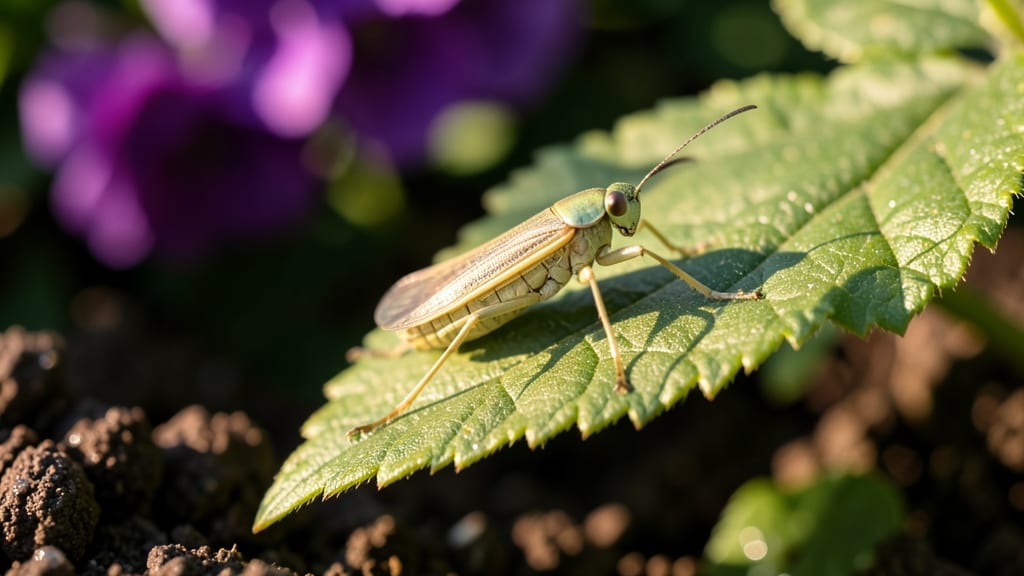
When Rose of Sharon insects turn your shrubs into a buffet, these 3 natural sprays save the day—no harsh chemicals needed. 🌿 I’ve battled Japanese beetles, spider mites, and aphids on my own plants, and these targeted solutions work faster than store-bought pesticides.
The key? Spraying at the right time (early morning or evening) when pests are most active.
First, identify the culprit: Japanese beetles skeletonize leaves, spider mites create fine webbing, and aphids cluster on new growth. Once you spot the damage, mix neem oil spray (1 tablespoon per quart of water) for broad-spectrum control, or soapy water spray (1 teaspoon mild soap per quart) for aphids.
For stubborn beetles, kaolin clay spray (1 tablespoon per gallon) creates a protective barrier they avoid.
Within 3–5 days, you’ll see fewer pests and fresher foliage. The best part? These sprays also deter future infestations by disrupting insects’ feeding habits. Just reapply every 7–10 days until the problem clears—no more wilting leaves or chewed blooms.
Prevention is easy: water deeply to reduce stress and prune regularly to improve airflow.
If pests persist after two weeks, call a local extension service—they’ll help identify if something more serious is at play. But for most gardeners, these sprays work like magic. Your Rose of Sharon will bloom stronger than ever, and your neighbors will ask for your secret.
Root Causes Of Shrub Pests
Understanding why pests like aphids, spider mites, and Japanese beetles target your Rose of Sharon (Hibiscus syriacus) starts with recognizing the plant’s natural appeal—and the environmental factors that make it a buffet for insects. Here’s a breakdown of the most common triggers:
When your shrub is nutrient-deficient, waterlogged, or root-bound, it weakens its defenses.
Insects like aphids and whiteflies flock to stressed plants because: - Poor soil drainage (💡 Check for soggy roots—these invite fungal issues that attract pests). - Lack of pruning leads to dense foliage, trapping moisture and creating hiding spots for scale insects and mealybugs. - Nitrogen deficiency makes leaves less tough, making them easier targets for Japanese beetles (who love chewing soft, new growth).
Actionable fix: Aerate soil, prune for airflow, and fertilize with balanced, slow-release granules (like 10-10-10) in early spring.
Some insects, like aphids and scale, excrete honeydew—a sugary substance that lures:
- Ants (who "farm" aphids for honeydew).
- Sooty mold (a black fungal growth that thrives on honeydew).
- Wasps (who prey on aphids but may linger if food is abundant).
Why it happens:
- Aphids pierce stems to feed on sap, leaving behind sticky trails.
- Mealybugs cluster in leaf axils, oozing honeydew that coats branches.
Actionable fix: Spray infested areas with neem oil (disrupts their life cycle) or hose off honeydew with water to break the cycle.
Japanese beetles (Popillia japonica) are voracious pollinators-turned-pests that target Rose of Sharon during:
- Peak blooming season (June–August), when flowers are most vulnerable.
- Hot, dry spells, which dehydrate plants, making them more appealing.
Why they choose your shrub:
- Bright pink/white flowers mimic their natural host plants (like roses).
- Thick canopies provide shade for egg-laying.
Actionable fix:
- Handpick adults into soapy water (💡 Do this in early morning when they’re sluggish).
- Apply kaolin clay (like Surround WP) to create a barrier they avoid.
These tiny arachnids (not insects!) thrive in:
- Low humidity (they dehydrate easily, so they burrow into leaves).
- Dusty foliage (traps moisture, creating ideal conditions).
Signs they’re attacking:
- Fine webbing on undersides of leaves.
- Speckled, stippled leaves (from their feeding).
Why Rose of Sharon is a magnet:
- Glaucous (waxy) leaves hold dust better than smooth surfaces.
- Drought stress triggers their population explosion.
Actionable fix:
- Mist plants daily during heatwaves to boost humidity.
- Spray with insecticidal soap (targets mites directly).
Insects like whiteflies and leafhoppers spread via:
- Wind currents (they ride gusts to new hosts).
- Bee/pollen transfer (some pests latch onto pollinators).
Why it’s worse for Rose of Sharon:
- Fast growth means new leaves are constantly emerging—prime targets.
- Open, airy blooms make it easy for pests to land and feed.
Actionable fix:
- Install fine mesh netting over young plants in early spring.
- Use reflective mulch (like aluminum foil) to disorient flying pests.
Pro Tip: 🎯 Monitor your shrub weekly—catching pests early (before they multiply) is the key to natural control. A hand lens helps spot tiny mites or aphid colonies before they spread!
Quick Fixes for Shrub Pests
Now that you know the common culprits behind your Rose of Sharon woes—whether it’s aphids, spider mites, or Japanese beetles—it’s time to take action! The good news? Most insect issues can be resolved with natural, effective sprays and a few proactive steps.
Below, we’ll break down solutions by cause, so you can target the problem directly and keep your shrub thriving.
Aphids and similar pests (like mealybugs) thrive in clusters, sucking sap and leaving behind sticky residue. Here’s how to evict them fast:
🍳 Homemade Soap Spray (Best for Small Infestations)
Why it works: A gentle but effective mix that disrupts aphids’ protective coating. What you’ll need:
- 1 tbsp mild liquid soap (like Castile soap)
- 1 quart water
- 1 tsp vegetable oil (optional, helps stick to leaves)
Steps:
- Mix ingredients in a spray bottle.
- Shake well before each use (soap separates).
- Spray directly on pests (undersides of leaves too!) until leaves glisten.
- Reapply every 3–5 days until gone.
✨ Pro Tip: Test on a small leaf first—some plants are sensitive to soap!
🌡️ Neem Oil Spray (For Stubborn Clusters)
Why it works: Neem oil smothers pests, repels future infestations, and acts as a mild fungicide. What you’ll need:
- 1 tbsp neem oil
- 1 tsp horticultural oil (or mild dish soap)
- 1 quart warm water
Steps:
- Combine ingredients and stir well.
- Spray evenly on all leaf surfaces (focus on new growth).
- Apply in the early morning or evening (avoid direct sun).
- Repeat every 7–10 days for 2–3 weeks.
💡 Prevention: Encourage ladybugs (natural aphid predators) by planting nearby flowers like marigolds or dill.
Tiny but destructive, spider mites spin webs and weaken your shrub. These solutions disrupt their life cycle:
👨🍳 Water Blast (Immediate Relief)
Why it works: Mites hate water—this washes them off and disrupts their silk. Steps: 1. On a cloudy day, use a hose with a gentle spray nozzle.
- Soak leaves thoroughly, including the undersides.
- Repeat every 2–3 days until webs disappear.
⏰ Timing Matters: Do this in the early morning so leaves dry quickly (prevents fungal issues).
🔪 Essential Oil Mix (Strong Repellent)
Why it works: Mites can’t tolerate strong scents like peppermint or garlic. What you’ll need:
- 10 drops peppermint or garlic essential oil
- 1 tsp soapy water (as an emulsifier)
- 1 quart water
Steps:
- Mix in a spray bottle and shake well.
- Spray directly on mites (they’re usually on the undersides).
- Reapply every 5–7 days for 3 weeks.
🎯 Prevention: Keep your shrub well-watered—mites love dry conditions!
These metallic invaders skeletonize leaves overnight. Act fast with these barriers:
🥘 Beer Trap (Non-Toxic Lure)
Why it works: Japanese beetles are attracted to beer and drown in it. What you’ll need:
- 1 cup beer (non-alcoholic works too!)
- 1 small container (like a yogurt cup)
- Water
Steps:
- Fill the container ¾ full with beer, then top with water.
- Bury it neck-deep near your shrub.
- Replace every 2–3 days (they’ll keep falling in!).
💡 Bonus: Plant rosemary or catnip nearby—they repel beetles naturally.
🔪 Kaolin Clay Spray (Physical Barrier)
Why it works: A fine, chalky clay coats leaves, making them unappetizing. What you’ll need:
- 1 tbsp kaolin clay (or Surround WP)
- 1 quart water
Steps:
- Mix until dissolved (stir well).
- Spray evenly on leaves (avoid flowers if bees visit).
- Reapply after rain or every 7–10 days.
✨ Prevention: Handpick beetles in the early morning when they’re sluggish—drop them in soapy water!
Once you’ve banished the current infestation, stop future attacks with these habits:
- Prune regularly to improve airflow (pests love crowded, damp foliage).
- Water at the base (not overhead) to avoid wetting leaves (invites mites/fungus).
- Mulch with wood chips to deter crawling pests like slugs.
- Attract beneficial insects (ladybugs, lacewings) with dill, fennel, or alyssum.
- Inspect new plants before bringing them home (quarantine for a week if needed).
Final Thought: Most insect problems on Rose of Sharon can be solved with patience and consistency. Start with the soap spray or neem oil for general pests, and kaolin clay for beetles. Within 2–3 weeks, your shrub should bounce back—leafy, lush, and pest-free! 🌸🚫🐜
Frequently asked questions
What are the most common insects that attack Rose of Sharon shrubs?
The top culprits are Japanese beetles (they skeletonize leaves), aphids (leave sticky honeydew), and spider mites (create fine webbing). You might also spot scale insects or mealybugs hiding in leaf crevices.
How do I tell if my Rose of Sharon has spider mites vs. aphids?
Spider mites create fine webbing on leaf undersides and cause speckled yellowing, while aphids leave sticky residue (honeydew) and cluster on new growth. Check with a hand lens—mites are tiny red dots, while aphids are green/black ovals.
Will neem oil harm my Rose of Sharon if I use it too often?
Neem oil is safe when used correctly, but apply it every 7–10 days max—overuse can stress the plant. Always mix with water and avoid spraying in direct sunlight (can cause leaf burn). Test on a small area first!
Can I use the same spray for all Rose of Sharon pests?
No—use soap spray for aphids, kaolin clay for beetles, and peppermint oil mix for mites. Each targets different pests. For broad protection, neem oil works against most insects but requires consistent reapplication.
What should I do if my shrub still has pests after trying natural sprays?
If pests persist after 2–3 weeks of treatment, contact your local extension service for professional advice. Severe infestations may need targeted pesticides—but first, check for underlying stress (like drought or poor soil).