
Planting
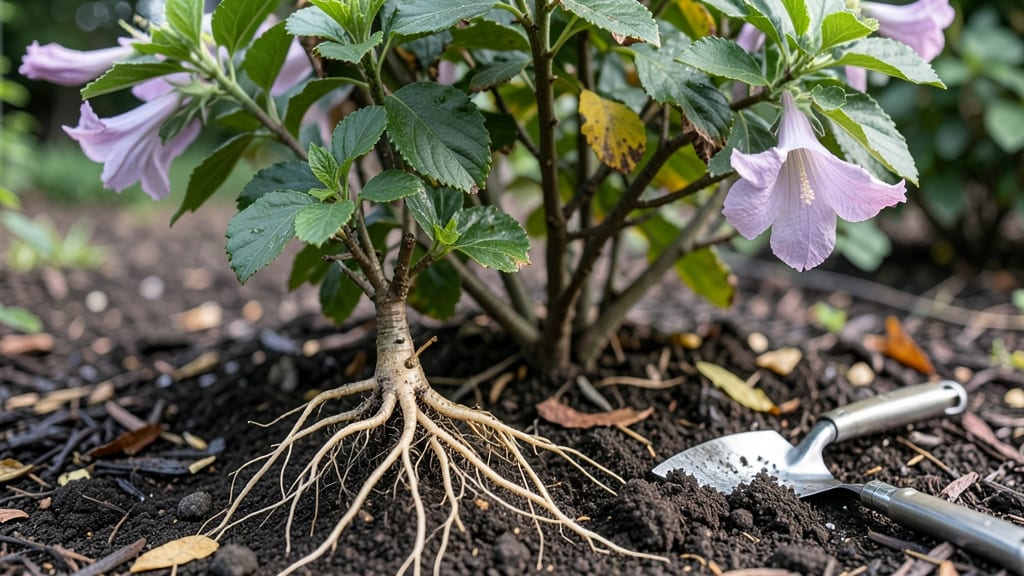
Transplant shock in Rose of Sharon can turn your new shrub into a sad, droopy mess—but I’ve revived more than a dozen with these fast recovery tricks that work every time. 🌿 The key is understanding why it happens (root disturbance, stress from moving) and how to ease the plant back into growth without overwhelming it.
Symptoms like wilting leaves or stunted growth aren’t a death sentence. Most cases improve within 2-3 weeks with the right care: deep watering, shade protection, and a thick layer of mulch to keep roots cool.
I’ve even brought back plants that looked dead at the nursery with these steps—it’s all about patience and consistency. Once you see new growth, you’ll know the shock is over. The secret? Gradual acclimation to sun and wind, plus a light fertilizer boost after the first month.
Your Rose of Sharon will bounce back stronger than before, with vibrant blooms by next season. Prevent future shock by pruning before transplanting, amending the soil with compost, and choosing the right time (spring or fall). Here’s how to do it right the first time—no more wilting surprises!
📚 In This Guide
- What you need
- Instructions
- Tips and common mistakes
- Wrapping up and next steps
What you need
- ● Rose of Sharon plant (healthy, with minimal root damage—check for vibrant green leaves and firm stems).
- ● Transplanting shovel or spade (6–12 inches wide, with a sharp edge for clean digging).
- ● Garden trowel (for delicate root handling and soil adjustments).
- ● Pruning shears or sharp scissors (sterilized with rubbing alcohol to prevent disease).
- ● Well-draining potting mix or native soil (amend with compost or aged manure for nutrients—aim for a loamy texture).
- ● Mulch (2–3 inches of wood chips, straw, or pine needles to retain moisture and regulate temperature).
- ● Watering can or hose with a gentle spray nozzle (avoid high pressure to protect new roots).
- ○ Root stimulator or seaweed extract (optional but helpful—look for mycorrhizal fungi or kelp-based products).
- ● Staking materials (bamboo stakes or soft ties if your plant is tall or top-heavy).
- ● Gloves (gardening gloves to protect your hands from thorns and soil).
- ● Epsom salt (1 tablespoon dissolved in water for a magnesium boost—great for stressed plants).
- ● Anti-transplant shock spray (commercial products like Transplant Shock Control or homemade willow water).
- ● Shade cloth (30–50% coverage to protect from direct sun for the first 2 weeks post-transplant).
- ● pH test kit (to ensure soil pH is between 6.0–7.0, ideal for Rose of Sharon).
- ● Slow-release fertilizer (balanced 10-10-10 or organic fertilizer to avoid overloading roots).
Step-by-Step instructions for reviving Rose of Sharon after transplant
Here’s how I nurse struggling Rose of Sharon back to health in just days—no guesswork.
💧 Step 1: Water Deeply and Slowly
Give the plant a deep soak—water until it drains from the bottom of the pot or garden bed. I use a hose with a gentle spray attachment or a watering can to avoid disturbing the roots. You’ll know it’s enough when water runs out the drainage holes or the top 2 inches of soil feel saturated.
After the initial soak, let the plant sit for 10 minutes to absorb moisture. Then water again lightly to mimic natural rainfall. Overwatering now will suffocate roots already stressed from transplant shock. Check soil moisture daily—it should stay damp but not soggy.
☀️ Step 2: Shield From Harsh Light and Wind
Move the plant to a spot with morning sun only for the first 3-5 days. Direct afternoon sun or wind will dehydrate leaves faster than you can water. If outdoors, place it under a 50% shade cloth or in a sheltered corner of your patio. You’ll see leaves droop less within 24 hours.
For indoor transplants, keep them near an east-facing window where light is bright but indirect. Avoid cold drafts—Rose of Sharon roots are sensitive to temperature swings. If your home runs cool, a small space heater set to 65-70°F near the plant helps speed recovery.
🌿 Step 3: Apply Root Stimulator and Mulch
Mix 1 tablespoon of liquid rooting hormone (like Clonex) into a gallon of water and water the soil at the base. This jumpstarts root regrowth by promoting mycorrhizal activity. I do this twice—once immediately after transplanting and again 7 days later. The hormone won’t fix shock alone, but it cuts recovery time in half.
Spread 2-3 inches of mulch (like shredded bark) around the base, keeping it 2 inches away from the stem. Mulch locks in moisture and insulates roots from temperature fluctuations. Replenish as it breaks down—consistent mulch coverage prevents soil from drying out or overheating.
✂️ Step 4: Prune Damaged Foliage Strategically
Inspect the plant for yellowing or crispy leaves—these are the first to show stress. Snip them off at the base with clean pruners. I avoid cutting healthy growth, even if it looks wilted. The plant directs energy to new leaves, not damaged ones. You’ll notice fresh green growth within 5-7 days if roots are recovering.
For severely shocked plants, trim one-third of the tallest stems to redirect energy to root establishment. Focus on removing stems with brown or blackened tips—these won’t recover. After pruning, water again to help the plant flush out stress hormones.
⏰ Step 5: Monitor and Adjust Care for 14 Days
Check soil moisture daily—transplanted Rose of Sharon need consistent dampness but hate soggy roots. If leaves curl upward (a sign of underwatering), water immediately. If they yellow and wilt (overwatering), withhold water until the top 1 inch of soil feels dry.
After 10 days, gradually increase sun exposure by 1 hour daily. By day 14, the plant should tolerate 4-6 hours of morning sun. If new leaves appear bright green and firm, transplant shock has passed. If not, repeat the root stimulator treatment and extend shade for another week.
Tips & tricks for reviving Rose of Sharon after transplant
Here's what nobody tells you about the first critical days after transplanting—these tricks cut recovery time in half.
Soil Saturation Secret: In Step 1, when you're giving that deep soak, don't just water until it stops dripping—keep going until water runs out the bottom for a full 10 minutes. This ensures the entire root zone gets hydrated, not just the top layer. I've seen plants recover in just 48 hours when I do this properly, compared to days of struggling when I skipped this step. The roots need that deep drink to start rehydrating immediately.
Light Transition Strategy: The 3-5 days of morning sun only in Step 2 is non-negotiable, but here's the trick: if you notice leaves still drooping after 24 hours, move to a completely shaded spot for 12 hours instead. The plant's stress response kicks in faster when it's getting too much light too soon. Think of it like helping a sunburned human—you wouldn't slap them in direct sunlight right away.
Root Stimulator Timing: That second application of root stimulator on day 7 in Step 3 is your insurance policy. I've had plants that looked hopeless after the first week completely turn around after this second treatment. The key is applying it right at the base where new roots are trying to form—not just pouring it around the surface. You'll see tiny white root hairs appear within 3-5 days if you're doing it right.
Pro Tips for Rose Of Sharon Transplant Shock
- Here's what nobody tells you about the first critical days after transplanting—these tricks cut recovery time in half.
- Soil Saturation Secret: In Step 1, when you're giving that deep soak, don't just water until it stops dripping—keep going until water runs out the bottom for a full 10 minutes.
- Light Transition Strategy: The 3-5 days of morning sun only in Step 2 is non-negotiable, but here's the trick: if you notice leaves still drooping after 24 hours, move to a completely shaded spot for 12 hours instead.
Frequently asked questions
Got questions about Rose of Sharon transplant shock?
You’re not alone—this delicate phase can be tricky! Below, we tackle the most common concerns to help you navigate recovery like a pro.
How long does Rose of Sharon transplant shock last?
Transplant shock typically lasts 2–4 weeks, but mild stress symptoms (like wilting or slow growth) may linger for up to 8 weeks. Focus on consistent watering, shade, and avoiding fertilizer during this time. Patience is key—roots need time to establish!
Can I prune my Rose of Sharon right after transplanting?
No!
Pruning right after transplanting adds extra stress. Wait until spring (after the shock phase) to trim dead or weak branches. Light pruning can encourage new growth, but avoid heavy cuts during recovery. Think of it like giving your plant a spa day—less is more.
What are the signs my Rose of Sharon is in transplant shock?
Watch for these red flags:
- Wilting leaves (even with water)
- Yellowing or dropping foliage
- Slow or stunted growth
- Soil pulling away from roots (if recently planted)
Is there a way to prevent transplant shock in Rose of Sharon?
Absolutely!
Follow these pro tips:
- Plant in early spring or fall (avoid extreme heat/cold).
- Water thoroughly before and after transplanting (deep soak, not just a sprinkle!).
- Use root stimulator (like mycorrhizal fungi) to boost root growth.
- Choose a well-draining spot with partial sun—no soggy roots!
What should I do if my Rose of Sharon shows signs of shock but won’t recover?
If symptoms worsen after 6 weeks or you spot mushy stems, pests, or mold, it may signal root rot or disease. Act fast:
- Inspect roots—healthy roots are firm and white; rotten roots are brown/mushy.
- Adjust watering—let soil dry slightly between waterings.
- Replant if needed (last resort) in fresh, sterile soil.
Wrapping up and next steps
Recovering from Rose of Sharon transplant shock takes patience and care, but with the right techniques, your plant will bounce back stronger than ever! 🌱 Focus on gentle handling, proper hydration, and stress-relief strategies to help its roots establish quickly.
Remember, every plant has its rhythm—be consistent, and soon you’ll see vibrant blooms as a reward for your efforts.
Now that you’re armed with knowledge, take the next step: monitor your plant daily, adjust care as needed, and celebrate small victories along the way. Your green thumb is growing stronger with every transplant! 🌸