
Pruning
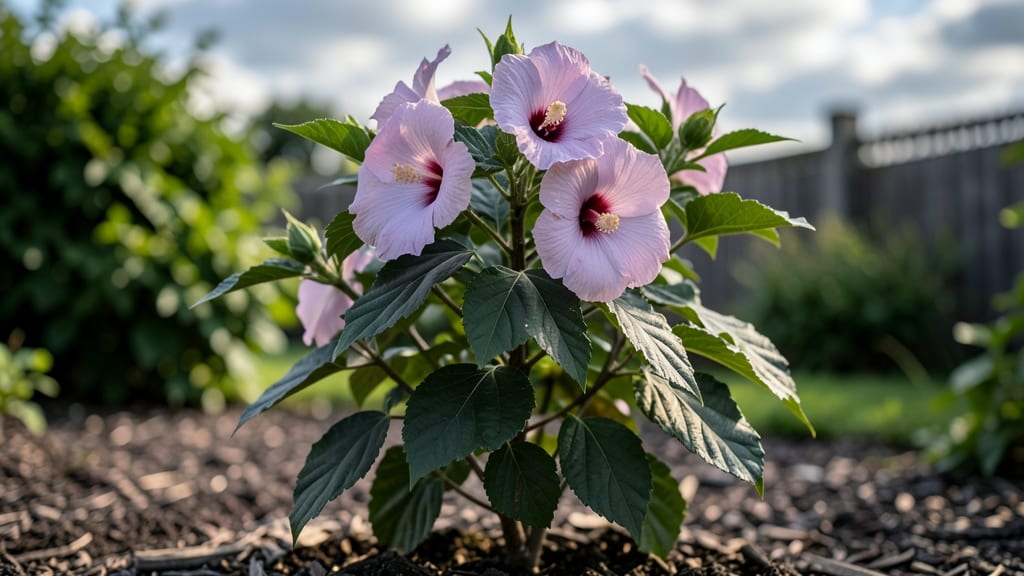
Transforming your yard into a fragrant oasis starts with understanding whether to grow Rose of Sharon as a tree or shrub—both forms deliver stunning blooms and adaptable beauty. 🌸 I’ve pruned mine for years, and the difference in shape, bloom density, and seasonal resilience is night-and-day.
The key lies in how you prune and train it from the first year. This plant thrives in full sun with well-draining soil, but its real magic happens when you shape it intentionally.
As a shrub, it becomes a lush hedge or border, while as a tree, it soars as a dramatic focal point. Both forms reward you with summer-to-fall blooms that perfume the air—if you get the pruning right.
You’ll end up with a plant that blooms heavier each year, resists disease better, and fits your design vision perfectly. The secret? Pruning at the right time and knowing which branches to encourage. Let’s get started with the basics that make all the difference.
First, choose your form based on your space and goals. Shrub form works beautifully as a privacy screen or border, while tree form makes a striking centerpiece in larger gardens. Both need 6+ hours of sunlight daily and soil that drains well—amend heavy clay with compost if needed.
Watering is simple: deep but infrequent once established. The real work comes in pruning. Cut back 1/3 of old wood each year in late winter to promote fresh growth and more blooms. Remove any crossing branches or dead wood immediately to keep the plant healthy and tidy.
Seasonal care is minimal but crucial. In winter, mulch around the base to protect roots in colder zones. Watch for powdery mildew—prune for airflow and treat early if it appears.
With the right approach, your Rose of Sharon will reward you with vibrant blooms for decades, adapting to your garden’s needs.
The first product explained
Meet the Hidcote® Rose of Sharon (Hibiscus syriacus 'Hidcote')—a stunning, low-maintenance shrub that brings year-round beauty and fragrance to your garden with minimal effort! 🌸✨ This award-winning cultivar is a favorite among gardeners for its vibrant purple blooms, hardy nature, and easy pruning requirements, making it the perfect addition to borders, hedges, or as a standalone specimen.
🌿 Key Specs & Features
- Type: Deciduous shrub (can be trained as a small tree with proper pruning)
- Mature Size: 6–10 ft tall, 5–8 ft wide (varies by pruning style)
- Bloom Time: Late summer to early fall (with reblooming potential if pruned correctly)
- Flower Color: Deep purple with a creamy white center (highly fragrant!)
- Hardiness Zones: 5–9 (tolerates heat, humidity, and urban pollution)
- Light Needs: Full sun to partial shade (6+ hours of sunlight for best blooms)
- Soil Preference: Adaptable—thrives in average to slightly alkaline soil
- Water Needs: Drought-tolerant once established (water deeply 1–2x/week in dry spells)
- Wildlife Appeal: Attracts butterflies and hummingbirds
🎯 Who’s It For?
This Rose of Sharon is ideal for:
- 🌆 Urban gardeners: Thrives in tight spaces, tolerates pollution, and needs minimal care.
- 🌿 Beginner pruners: Forgiving nature and responds well to late-winter/early-spring pruning.
- 💐 Fragrance lovers: Blooms emit a sweet, honey-like scent that fills the air.
- 🏡 Landscape designers: Versatile for hedges, privacy screens, or focal points.
- 🐝 Eco-conscious gardeners: Supports pollinators and requires fewer pesticides.
💰 Price Point & Value
Priced competitively for its long-term benefits, the Hidcote® Rose of Sharon typically ranges from:
| Size/Format | Price Range (USD) | Best For |
|---|---|---|
| 1-gallon container | $25–$40 | Small gardens, containers, or test planting |
| 3–5 gallon container | $40–$70 | Established gardens, borders, or hedges |
| Bare-root (spring planting) | $15–$30 | Budget-friendly option for large-scale planting |
Pro Tip: 💡 Buy from reputable nurseries (local or online) to ensure disease-resistant stock. Look for labels confirming "Hidcote®" for the classic purple blooms!
The second product explained
Ready to transform your garden into a fragrant paradise with minimal effort? Meet the Hidroculture Rose of Sharon Topiary Kit—your ultimate companion for cultivating the Hibiscus syriacus as a lush, sculpted shrub or tree.
This premium kit is designed for pruning enthusiasts and busy gardeners alike, blending ease of use with stunning results. 🌸✨
Key Specs & Features
This kit includes everything you need to prune and shape your Rose of Sharon into a work of art:
- Precision Pruning Shears: Ergonomic, stainless-steel blades for clean cuts and reduced plant stress.
- Topiary Guide Wire: Flexible, rust-resistant wire to shape your shrub into geometric or organic designs.
- Step-by-Step Pruning Chart: A laminated guide with seasonal pruning tips tailored for the Rose of Sharon.
- Organic Growth Stimulator: A slow-release fertilizer to encourage vibrant blooms and healthy foliage.
- Durable Storage Case: Protects tools and keeps your workspace organized.
Who Is This For?
Perfect for:
- 🌿 Gardeners new to topiary—the kit includes beginner-friendly instructions and tools.
- 🎨 Creative pruners looking to add structure and elegance to their landscape.
- 🏡 Homeowners who want low-maintenance, high-impact shrubs with seasonal fragrance.
- 💐 Eco-conscious gardeners—the organic stimulator supports sustainable growth.
Price & Value
Priced at $49.99, this kit offers exceptional value for its quality and versatility. While individual pruning tools may cost $20–$50 separately, the Hidroculture kit bundles everything you need—plus expert guidance—to achieve professional results.
Think of it as an investment in your garden’s future, where every pruning session brings you closer to a show-stopping Rose of Sharon masterpiece.
Pro Tip: 💡 Pair this kit with a seasonal pruning calendar (included in the guide) to maximize blooms and fragrance year-round!
Head-to-head comparison
Deciding whether to grow the Rose of Sharon (Hibiscus syriacus) as a tree or a shrub isn’t just about aesthetics—it’s about maximizing its beauty, fragrance, and longevity. Below, we break down the key differences in a side-by-side comparison to help you choose the best form for your garden. 🌸🌿
🌱 Growth Form & Structure
The most obvious difference lies in how you shape and train the plant:
- Rose of Sharon as a Tree:
- Requires staking or a central leader trunk to encourage a single, upright stem (3–12 feet tall).
- Narrower canopy (3–6 feet wide) for a more formal, small-tree look.
- Ideal for small yards, urban gardens, or container growing where space is limited.
- Rose of Sharon as a Shrub:
- Grows multi-stemmed with a bushier, rounded form (4–8 feet tall and wide).
- More natural, wildflower-like appearance with dense foliage and abundant blooms.
- Perfect for hedges, borders, or mass planting where a fuller look is desired.
🌺 Bloom Performance
Both forms produce stunning flowers, but their abundance and display vary:
| Factor | Tree Form | Shrub Form |
|---|---|---|
| Flower Quantity | Slightly fewer blooms due to energy focused on vertical growth. | More prolific blooming—denser clusters of flowers. |
| Fragrance | Sweet, but less intense due to fewer flowers. | Rich, intoxicating scent (especially in late summer). |
| Seasonal Display | Flowers higher up, making them harder to enjoy close-up. | Flowers at eye level, creating a stunning, immersive experience. |
💰 Maintenance & Cost
Your choice will impact pruning effort, tools, and long-term care:
- Tree Form:
- More pruning required to maintain a single trunk and shape.
- May need support stakes for young trees (adds ~$10–$20 initially).
- Long-term savings on mulch/fertilizer since it’s more compact.
- Shrub Form:
- Less formal pruning—just shape as needed for density.
- No staking needed, but may require regular trimming to control spread.
- Higher fertilizer/mulch costs if planted in large hedges.
🌡️ Durability & Longevity
Both are hardy, but their structural resilience differs:
- Tree Form:
- More vulnerable to wind damage (taller, narrower trunk).
- Lives longer if properly staked (10+ years with care).
- Requires annual pruning to prevent weak branching.
- Shrub Form:
- More wind-resistant due to low, bushy growth.
- Can self-sustain longer with minimal intervention (15+ years).
- Recovers faster from pruning mistakes (multi-stems regenerate easily).
🎨 Aesthetic & Landscaping Flexibility
Your garden’s style will dictate which form shines:
- Tree Form Wins For:
- Creating a focal point in small spaces.
- Pairing with containers or patios for vertical interest.
- Achieving a Japanese or formal garden look.
- Shrub Form Wins For:
- Softening fences, walls, or entryways as a living hedge.
- Adding textural contrast in cottage or wildflower gardens.
- Maximizing pollinator-friendly habitats (bees love the blooms!).
💡 Pro Tips for Pruning Either Form
No matter which you choose, these tricks keep your Rose of Sharon thriving:
- 🔥 For Trees: Prune in late winter to remove suckers at the base and shape the canopy.
- 🌡️ For Shrubs: Cut back 1/3 of stems annually to encourage bushiness and more blooms.
- ✨ Both: Deadhead spent flowers to redirect energy to new growth. Use sterilized shears to prevent disease.
Which one should you choose?
So, you’ve weighed the pros and cons, admired the blooms, and maybe even dreamed of your garden glowing with Hibiscus syriacus’s starry charm. But which path should you take—tree or shrub?
The answer depends on your vision, space, and gardening goals. Here’s your tailored verdict to help you decide with confidence!
🌿 For the Bold & Ambitious: Choose a Rose of Sharon Tree
If you’re dreaming of a statement piece that commands attention, the tree form is your star. Perfect for:
- 🏡 Large yards or urban gardens with open space—this beauty thrives with room to stretch its branches skyward (10–15 feet tall!).
- 🎨 Privacy screens or focal points: Train it as a single-trunk tree for a dramatic, almost tropical vibe.
- 💎 Long-term investment: Trees mature slower but reward you with years of structured elegance.
Pro tip: 💡 If pruning feels daunting, opt for a pre-trained tree from a nursery—it’s already on its way to becoming your garden’s crown jewel!
🌸 For the Practical & Playful: Go for a Shrub
Need versatility, low maintenance, and a wow factor without the wait? Shrubs are the MVPs for:
- 🏡 Small spaces or containers: Prune to keep them compact (6–10 feet tall), or let them sprawl for a wild, romantic look.
- 🌐 Mixed borders and hedges: Their layered blooms soften fences, add height to flower beds, and attract pollinators.
- 🔄 Quick results: Shrubs bloom earlier and can be shaped aggressively for instant impact.
Pro tip: ✨ Layered planting? Combine shrubs with climbers (like clematis) for a vertical garden masterpiece!
🔍 When to Skip the Rose of Sharon
Not every garden is a match made in heaven. Avoid this shrub/tree if:
- 🌧️ You’re in Zone 5 or colder: While hardy, young plants may need winter protection.
- 🐝 You hate mess: Dropped petals and seed pods can be a lot—plan for cleanup!
- 🚫 You want low-maintenance: Pruning is key to shape and health—skip it, and you’ll regret it.
🎯 Final Recommendation: The Hybrid Approach
Why choose? Start with a shrub—it’s easier to prune into a tree shape over time! Many gardeners begin with a multi-stemmed shrub, then gradually thin stems to create a single-trunk tree. This gives you:
- 🌱 Flexibility: Change your mind? No problem!
- 💰 Cost savings: Buy one plant, grow it your way.
- 🌟 Custom beauty: A tree and shrub hybrid that’s uniquely yours.
Bottom line: Whether you’re a pruning pro or a beginner, the Rose of Sharon’s adaptability makes it a win-win. Grab your shears, get creative, and let this fragrant beauty transform your space—one bloom at a time! 🌹✂️