
Blooming
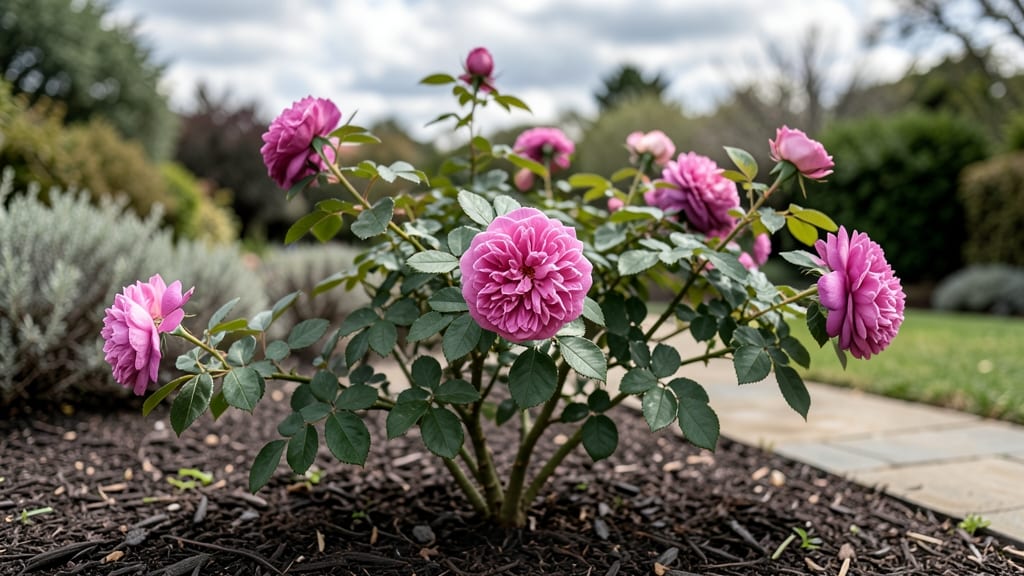
Growing a rose blossom tree that fills your yard with fragrance isn’t just possible—it’s easier than you’d think. 🌹 I’ve turned my backyard into a sweet-smelling paradise using just three key tricks: the right variety, smart pruning, and consistent care.
The payoff? Clusters of blooms from spring through fall, with some varieties even flowering lightly in winter.
First, pick a location with 6+ hours of sunlight and well-draining soil—this is non-negotiable for happy roots. Most rose blossom trees (like Knock Out roses or Rosa rugosa) thrive outdoors, but dwarf varieties can even brighten up a patio in large containers.
The secret to their legendary blooms? Pruning at the right time—cut back in late winter or early spring before new growth starts.
Once established, these trees are low-maintenance champions. Water deeply once a week (more in extreme heat), and feed with rose-specific fertilizer every 6-8 weeks during growing season. The result? A tree that bursts with hundreds of blooms instead of the handful you’d get from a traditional rosebush.
For year-round interest, layer in varieties like the winter-blooming David Austin roses or the disease-resistant Knock Out roses. And here’s the best part: unlike finicky roses, these trees rarely need deadheading—they keep blooming naturally. Ready to transform your space into a fragrant haven?
📚 In This Guide
- What you need
- Instructions
- Tips and common mistakes
- Wrapping up and next steps
What you need
- ● Rose Blossom Tree (Rosa rugosa or similar hybrid): 1 healthy sapling (bare-root or potted, 2–3 feet tall)
- ● OR seeds (if starting from scratch—germination takes patience!)
- ● Soil: Well-draining, slightly acidic mix (pH 6.0–6.5): 50% garden soil
- ● 30% compost
- ● 20% perlite or sand (for aeration)
- ● Fertilizer: Balanced granular fertilizer (10-10-10) or rose-specific formula
- ● Slow-release organic options (like bone meal or fish emulsion)
- ● Pruning Tools: 1 pair of bypass pruners (sharp, clean)
- ● 1 pair of loppers (for thicker branches)
- ● 1 pruning saw (for stubborn limbs)
- ● Mulch: 2–3 inches of organic mulch (wood chips, straw, or pine bark)
- ● Support Stakes: 2–3 bamboo or metal stakes (5–6 feet tall)
- ● Watering Supplies: Watering can or hose with adjustable nozzle
- ○ Optional: Drip irrigation system for consistent moisture
- ● Pest Control: Neem oil, insecticidal soap, or copper fungicide
- ● Soil Amendments: Epsom salt (for magnesium), coffee grounds (for acidity)
- ● Trellis or Arbor: For climbing varieties (if your rose blossom tree grows tall)
- ● Gloves & Sun Protection: Long sleeves, hat, and sunscreen for outdoor work
- ● Growth Regulator: Root stimulator or bloom booster (like seaweed extract)
Instructions for cultivating a thriving rose blossom tree
Here’s how to coax that fragrant, blooming beauty into your landscape with precision and patience.
🌱 Step 1: Select the Right Location and Soil
Choose a spot with at least 6 hours of direct sunlight daily—partial shade will yield fewer blooms and leggy growth. The tree thrives in well-draining soil with a pH between 6.0 and 6.5. If your soil is heavy clay, amend it with 2-3 inches of compost and a handful of sand to improve aeration. I always dig a hole twice as wide as the root ball to encourage root expansion.
Test your soil’s drainage by digging a 1-foot hole and filling it with water. If it drains in under 30 minutes, your soil is ready. If water pools after an hour, mix in 5 gallons of perlite to prevent root rot. The tree’s roots are sensitive to waterlogging—this step prevents future headaches.
☀️ Step 2: Plant at the Correct Depth and Stake for Support
Place the rose blossom tree in the hole so the graft union (the swollen area where the scion meets the rootstock) sits 2-3 inches above soil level. This prevents soil-borne diseases from creeping up the stem. Backfill with native soil mixed with 1 cup of slow-release fertilizer, tamping gently to remove air pockets.
Stake the tree with a 4-5 foot tall bamboo stake tied loosely to the trunk with soft plant tape—too tight restricts growth. Water deeply immediately after planting to settle the soil, then let it dry slightly before watering again. The first year is critical: overwatering is the fastest way to kill a newly planted tree.
✂️ Step 3: Prune for Shape and Airflow in Early Spring
Wait until new growth appears (usually late March to early April) before pruning. Remove dead, diseased, or crossing branches first—these compete for nutrients and block airflow. Cut just above an outward-facing bud at a 45-degree angle to encourage healthy regrowth. I always prune in stages: first the obvious deadwood, then shaping the canopy.
Thin the center of the tree to open it up—this prevents fungal issues by improving sunlight penetration. Aim for a vase-like shape with branches spaced 6-12 inches apart. Avoid heavy pruning in fall; the tree needs energy to prepare for winter. If you see suckers (shoots growing below the graft union), remove them immediately—they sap strength from the main plant.
💧 Step 4: Water Deeply and Fertilize Strategically
Water deeply once a week during the first growing season, soaking the soil to a depth of 12-18 inches. Use a soaker hose or drip irrigation to avoid wetting the foliage, which reduces fungal risks. Mulch with 2-3 inches of organic mulch (like shredded bark) to retain moisture and regulate soil temperature. Keep mulch 6 inches away from the trunk to prevent rot.
Fertilize twice a year: once in early spring with a balanced 10-10-10 formula and again in mid-summer with a low-nitrogen, high-phosphorus fertilizer to promote blooming. I avoid high-nitrogen feeds—they encourage leafy growth at the expense of flowers. Always water before and after fertilizing to prevent root burn.
⏰ Step 5: Protect and Maintain Through Seasons
In winter, wrap the trunk with burlap or tree guard if your climate dips below 10°F—young trees are most vulnerable. Prune lightly in late winter to remove any winter damage or dead branches. The tree’s natural resilience means it can handle light frost, but sudden temperature swings stress it.
Watch for aphids or spider mites—they love new growth. Spray infested areas with neem oil weekly until pests disappear. Deadhead spent blooms every 2-3 weeks to encourage continuous flowering. This isn’t just cosmetic: it redirects the tree’s energy into producing more blossoms instead of seed pods.
Tips & tricks for perfect rose blossom tree cultivation
Between us, these small details make the difference between a struggling shrub and a fragrant, blooming showstopper.
Location Intelligence: That 6 hours of direct sunlight isn't just a suggestion—it's non-negotiable for optimal blooming. I've seen roses in partial shade produce half the flowers and grow leggy. If your yard has limited sun, consider a south-facing wall or raised bed where the tree can get maximum exposure during peak sunlight hours. The payoff? More blooms and stronger fragrance that'll fill your garden.
Soil Science: The 30-minute drainage test is your best friend. I've planted roses in soil that seemed fine until I did this test and found it held water for hours—root rot followed. If you're amending heavy clay, mix in 5 gallons of perlite for every cubic foot of soil. This creates pockets of air that roots desperately need. Think of it as giving your tree's roots a spa treatment to prevent suffocation.
Pruning Precision: That 45-degree angle when cutting branches isn't just for aesthetics—it's about directing water and nutrients away from the cut. I always make sure to cut just above an outward-facing bud. Pro tip: Use sharp pruners and make clean cuts. Ragged edges invite disease, and nobody wants that. Also, resist the urge to prune in fall—your tree needs all its energy to prepare for winter dormancy.
Winter Protection: When temperatures drop below 10°F, wrap that trunk like you're swaddling a newborn. I use burlap because it breathes while still providing insulation. The key is to wrap loosely—too tight can actually damage the bark. And remember, young trees are most vulnerable, so don't skimp on this protection during their first few winters.
Pro Tips for Rose Blossom Tree
- Between us, these small details make the difference between a struggling shrub and a fragrant, blooming showstopper.
- Location Intelligence: That 6 hours of direct sunlight isn't just a suggestion—it's non-negotiable for optimal blooming.
- Soil Science: The 30-minute drainage test is your best friend.
Frequently asked questions
When is the best time to plant a rose blossom tree?
The ideal time to plant is in early spring (after the last frost) or fall (6-8 weeks before the first frost). This gives roots time to establish before extreme weather. Avoid planting in summer heat or winter cold, as stress can stunt growth. Choose a day with overcast skies to reduce transplant shock!
How often should I prune my rose blossom tree?
Prune twice a year: late winter/early spring (to shape and remove dead wood) and right after blooming (to encourage new growth). Avoid heavy pruning in fall—it can leave branches vulnerable to winter damage. Use sterilized shears and cut at a <45° angle just above an outward-facing bud for the best results!
Why aren’t my rose blossoms opening, or they’re falling off?
Several factors could be at play: underwatering (check soil moisture—roses need 1-2 inches of water weekly), nutrient deficiency (feed with rose-specific fertilizer in spring/summer), or pests/disease (inspect leaves for aphids or black spots). Too much shade or sudden temperature swings can also stress blooms. Pro tip: Deadhead spent blooms to redirect energy to new flowers!
Can I grow a rose blossom tree in a pot, or does it need ground planting?
Yes! Dwarf or climbing varieties thrive in large containers (15+ gallons) with drainage holes. Use a well-draining potting mix and repot every 2-3 years. Place the pot in full sun (6+ hours daily) and water consistently—potted roses dry out faster. Just ensure the pot is stable (roses can get heavy with blooms) and overwinter it indoors or in a sheltered spot!
What’s the easiest way to keep pests away from my rose blossom tree?
Prevention is key! Start with healthy soil (rich in compost) and regular pruning (removes hiding spots). Spray leaves with a neem oil solution (1 tbsp per quart of water) every 2 weeks to deter aphids and beetles. Introduce beneficial insects like ladybugs, or use physical barriers (row covers) for young trees. Avoid chemical sprays—roses are sensitive!
Do rose blossom trees attract bees or other pollinators?
Roses are a magnet for bees, butterflies, and hummingbirds—their fragrant blooms are a pollinator’s dream. Planting a rose tree supports local ecosystems while adding beauty to your garden. Bonus: Bees help boost fruit production in nearby plants (like apples or berries). Just ensure your roses aren’t treated with pesticides that harm pollinators!
Wrapping up and next steps
Growing a rose blossom tree is a rewarding journey that fills your garden with year-round fragrance and beauty—if you master the art of smart pruning. From choosing the right variety to timing your cuts and shaping with care, every step ensures lush blooms and a thriving tree. 🌸
Now that you’re equipped with the knowledge, roll up your sleeves and get pruning! Start small, observe your tree’s growth, and soon you’ll be the envy of the neighborhood with a perfectly manicured rose blossom masterpiece. Happy gardening!