
Planting
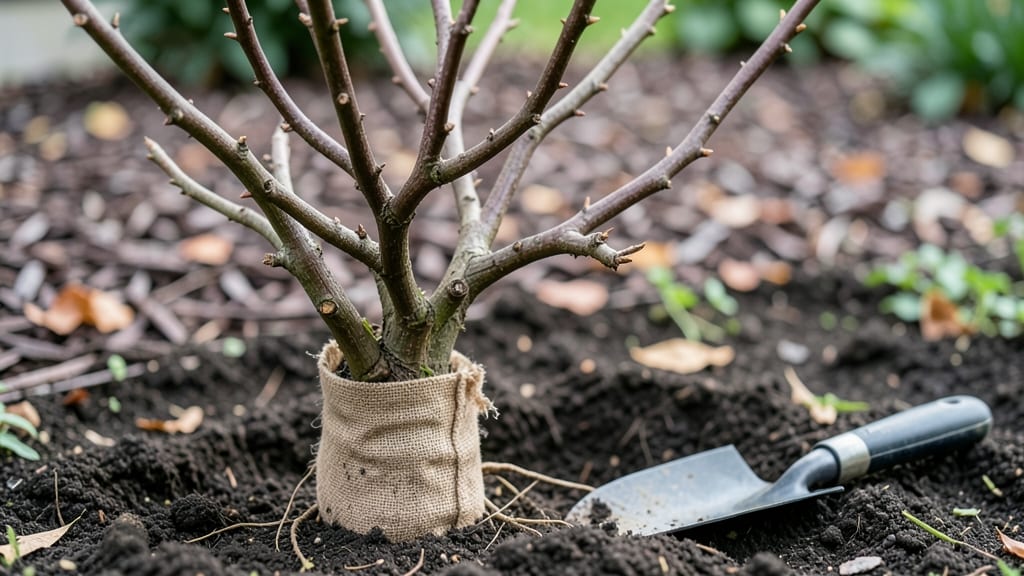
Planting roses in the right season is the secret to those lush, fragrant blooms you’ve always dreamed of — and yes, timing matters more than you think.
Picture this: you’ve picked out the perfect 🌹 variety, dug the hole just right, and then—nothing. No buds, no growth, just disappointment. That’s what happens when you plant at the wrong time, whether it’s too early in cold zones or too late in the heat.
The key is knowing your climate zone and when to get those roots in the ground.
In Zone 6a, like many gardeners, the sweet spot is April to May, when the soil is warm enough but the summer heat hasn’t arrived yet. But if you’re in a warmer zone, fall might be your best bet.
Below, I’ll break down the best months for your area, how to prep your soil, and the three mistakes that kill roses before they even take root.
Ready to turn your garden into a rose lover’s paradise? Let’s get those plants in the ground the right way—no guesswork, just thriving blooms.

Ideal rose planting months by USDA climate zone
Getting your rose planting timing right is everything—whether you're in a cold northern zone or a warm southern climate. Roses thrive when planted during their optimal growth windows, which vary dramatically by region.
In USDA zones 3-6, fall planting gives roots time to establish before winter, while zones 7-10 favor early spring to avoid summer heat stress. Let’s break down the best months for each zone to ensure your roses bloom beautifully.
For cold climates (zones 3-6), I always recommend fall planting—typically 4-6 weeks before the first frost. This gives roots time to grow before winter dormancy. In warmer zones (7-10), early spring planting (just after the last frost) is ideal to avoid summer heat and drought stress.
Each zone has unique microclimates, so knowing these windows can save you from struggling plants or wasted effort.
Here’s a quick comparison of the best planting months by USDA zone to help you plan:
| USDA Zone | Best Planting Months | Alternative Months | Key Considerations |
|---|---|---|---|
| Zones 3-4 | Late August to September | Early May | Plant bare-root roses in fall; avoid spring if frost risk remains. |
| Zones 5-6 | Late September to October | Early April to May | Fall planting allows root establishment before winter; spring planting needs well-draining soil. |
| Zones 7-8 | Early March to April | Late October | Avoid summer planting; mulch heavily to retain moisture. |
| Zones 9-10 | Late February to March | Early November | Plant in cooler months to avoid heat stress; water deeply after planting. |
In USDA zones 3-4, where winters are harsh, I’ve had the most success planting bare-root roses in late August or September. This gives roots time to establish before the ground freezes.
If you miss fall, early May is your next best shot—but only if the soil is workable and frost-free. In my experience, planting too early in these zones risks frost damage to tender roots.
For zones 5-6, fall planting (late September to October) is my go-to method. The cooler temperatures reduce stress on the plant, and the roots grow strong before winter. If you prefer spring planting, aim for early April to May, once the soil warms up.
I always test soil temperature—it should be above 50°F (10°C) for safe planting. Mulching after planting helps retain moisture and insulate roots.
In warmer climates (zones 7-10), early spring planting is critical. For zones 7-8, I plant in March or April to avoid the intense summer heat. In zones 9-10, where winters are mild, you can even plant in late February.
The key is to plant when the soil is warm but not yet scorching. I’ve seen roses planted in summer struggle with drought stress, so I avoid it entirely.
One common mistake I see is planting roses too late in the season. For example, planting in November in zone 5 gives roots little time to establish before winter.
Always check your local frost dates and adjust accordingly. Another tip: if you’re in a coastal zone (like 9-10), morning fog can delay planting—wait until temperatures stabilize.
Pro tip: If you’re unsure about your exact planting window, use a soil thermometer to check temperatures. Roses prefer soil between 50°F and 70°F (10°C-21°C). This simple tool has saved me from planting too early in chilly springs or too late in hot summers.
Pair it with a moisture meter to ensure your soil isn’t waterlogged—roses hate soggy roots!
Remember, container-grown roses can be planted year-round in mild climates, but bare-root roses are best planted during their dormant season. Whether you’re in a cold zone or a warm one, timing is everything. With the right window, your roses will reward you with vibrant blooms all season long.
How to prepare soil and roses for planting season success
Preparing your roses and soil before planting season is the secret to healthy roots and stunning blooms. I’ve learned that well-aerated soil with organic matter gives roses the best start, while root pruning ensures they establish quickly.
Let’s dive into the steps that’ll set your roses up for a thriving season.
First, focus on your soil preparation. Roses thrive in loamy, well-draining soil with a pH between 6.0 and 6.5. If your soil is heavy clay or sandy, amend it with compost or aged manure to improve texture and fertility.
I always test my soil’s pH before planting—it’s a game-changer for nutrient uptake.
Use a soil test kit to check pH. Aim for 6.0-6.5. Adjust with lime (to raise pH) or sulfur (to lower pH) if needed.
Mix in 3-4 inches of compost or aged manure into the top 12 inches of soil. For heavy clay, add perlite or sand to improve drainage.
Trim circled or damaged roots with sterilized pruners. Cut roots back by ⅓ if they’re overly dense to encourage new growth.
Dig a hole twice as wide as the root ball and 12 inches deep. Place the rose so the bud union is 2-3 inches above soil level.
Water deeply after planting, then apply 2-3 inches of mulch (like wood chips) to retain moisture and suppress weeds. Keep mulch away from the stem.
Don’t skip root pruning—it’s one of the most overlooked steps! I’ve seen bare-root roses thrive when their roots are trimmed properly, while neglected ones struggle. Use clean, sharp pruners to avoid damaging the plant, and always sterilize your tools with rubbing alcohol to prevent disease.
After planting, monitor your roses closely. Deep watering every 3-5 days (or daily in extreme heat) is crucial, especially in the first 4-6 weeks while roots establish. I’ve found that watering in the early morning reduces fungal risks and keeps blooms vibrant all season.
Finally, apply a balanced fertilizer (like 10-10-10) 4-6 weeks after planting to encourage strong growth. Avoid over-fertilizing—too much can burn roots and reduce blooms. I swear by a light feeding schedule in spring and summer, with none in winter.
With these steps, your roses will bloom beautifully and thrive for years. Happy planting! 🌹