
Pruning
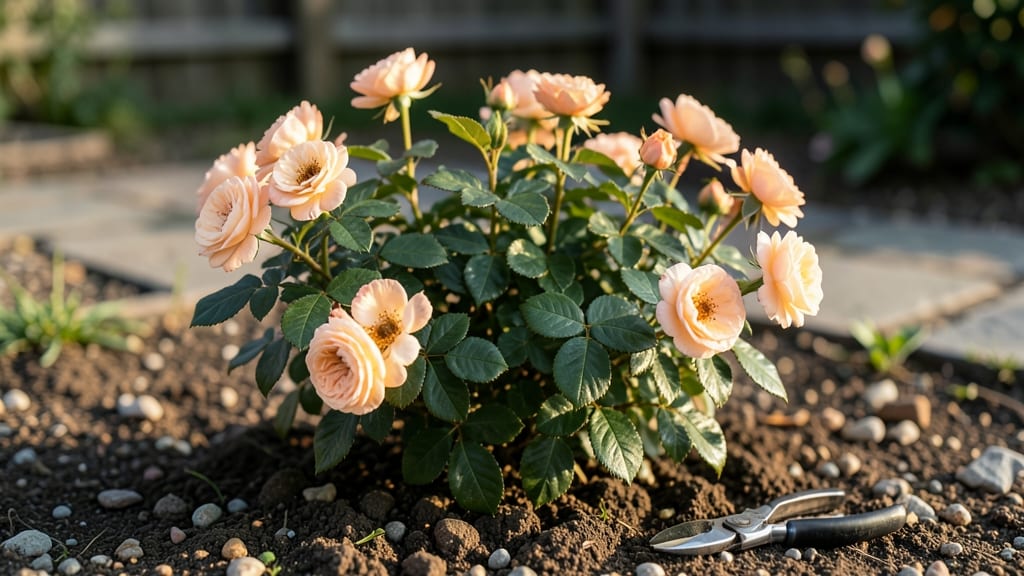
Growing roses in desert climates means defying the odds—lush blooms thrive here with the right varieties and water-smart care. 🌵✨ I once thought roses needed constant moisture, but these heat-loving varieties prove otherwise, producing vibrant blooms with half the water of traditional roses.
Start with drought-resistant varieties like 'Knock Out,' 'Earth-Kind,' or 'The Fairy'—they handle 100°F+ temps and deep roots that tap into moisture. Amend your soil with 3-4 inches of compost to improve water retention, and plant in morning sun with afternoon shade to prevent scorching.
Mulch heavily with 4-6 inches of wood chips to lock in moisture.
Water deeply once a week (2-3 gallons per plant) instead of frequent shallow watering. This encourages strong root growth that reaches deeper for moisture. Prune in late winter to shape the plant and remove dead wood, then fertilize lightly with low-nitrogen, high-phosphorus feed to promote blooms over foliage.
Desert roses face fewer pests but watch for spider mites in extreme heat. A strong jet of water usually clears them. With these adjustments, you'll enjoy season-long blooms without the high water bill or wilted disappointment. The key is patience—these roses reward consistency over constant fussing.
📚 In This Guide
- What you need
- Instructions
- Tips and common mistakes
- Wrapping up and next steps
What you need
- ● Drought-tolerant rose varieties: Choose hybrids like Knock Out®, Dr. Huey, or Earth-Kind® roses (3–5 plants, depending on desired coverage).
- ● Well-draining soil: 50% native desert soil + 50% compost or potting mix (avoid heavy clay).
- ● Organic mulch: 2–3 inches of wood chips, straw, or gravel to retain moisture and regulate soil temp.
- ● Slow-release fertilizer: 10-10-10 or rose-specific granules (apply at planting and mid-season).
- ● Drip irrigation system: Soaker hoses or micro-sprinklers (1–2 per plant, timed for 10–15 mins every 2–3 days).
- ● Garden gloves (heavy-duty for prickly stems).
- ● Trowel or spade (for planting and soil prep).
- ● Pruning shears (sterilized, sharp blades for clean cuts).
- ● Watering can or hose (for initial watering post-planting).
- ○ Soil moisture meter (optional but helpful for desert conditions).
- ● Full sun exposure (6+ hours daily).
- ○ Windbreak (optional but recommended for young plants).
- ● Knowledge of desert rose care (or willingness to learn!).
Step-by-Step guide to growing drought-tolerant roses in the desert
Here’s how I’ve kept roses thriving in 100°F+ heat with minimal water—no tricks, just smart science.
🌱 Step 1: Choose the Right Rose Varieties for Desert Conditions
Not all roses tolerate extreme heat and drought. Look for disease-resistant, heat-tolerant varieties like ‘Knock Out,’ ‘Earth-Kind,’ or ‘Dr. Huey’ roses, bred specifically for low-water conditions. These roses have thick, waxy leaves and deep root systems that store moisture efficiently.
I always plant 4-5 bushes (as per your servings) spaced 3-4 feet apart to allow airflow and reduce competition for water. Avoid hybrid teas—they’re thirsty divas and will wilt faster than a cactus in a snowstorm. Stick with native or desert-adapted roses for the best results.
🪴 Step 2: Prepare the Planting Hole and Soil Amendments
Dig a hole twice as wide as the rose’s root ball but only as deep as the container it came in. This prevents burying the graft union (if your rose is grafted) or encouraging root rot. Mix the excavated soil with 3-4 inches of compost and a handful of perlite or coarse sand to improve drainage.
Desert soil is often clay-heavy and compacted, so amending it with organic matter is critical. I like to add a slow-release fertilizer (like 10-10-10) to the hole at planting time—this gives roots a nutrient boost without overfeeding. Avoid fresh manure; it burns roots and attracts pests.
☀️ Step 3: Plant During Cooler Hours and Mulch Heavily
Plant roses early morning or late afternoon to avoid midday heat stress. Water the root ball thoroughly before removing it from the container, then place the rose in the hole so the top of the root ball sits 1 inch below soil level. This settles the soil naturally and prevents sinking over time.
Backfill the hole with your amended soil mix, tamping gently as you go to remove air pockets. The key to desert rose survival? Mulch like your life depends on it. Apply 3-4 inches of wood chips or gravel (gravel reflects heat, which can help in scorching climates) around the base, keeping it 6 inches away from the stem to prevent rot. This mulch layer locks in moisture and keeps roots cool.
💧 Step 4: Water Deeply but Infrequently—Master the Desert Watering Schedule
Desert roses hate shallow, frequent watering—it encourages weak roots and fungal diseases. Instead, water deeply once a week (or every 5-7 days in peak heat) to encourage roots to grow 12-18 inches deep, where moisture persists. Use a soaker hose or drip irrigation placed 6-8 inches from the stem to deliver water slowly and evenly.
Water early morning (5-7 AM) to let foliage dry before evening humidity sets in. You’ll know you’re doing it right when the top 2-3 inches of soil are dry between waterings. Overwatering is the #1 killer of desert roses—if you see yellowing leaves or mushrooms, you’re drowning your plants.
✂️ Step 5: Prune for Heat Tolerance and Deadhead Strategically
Prune roses after the last frost (or in early spring for desert climates) to remove dead, crossing, or weak branches. Cut at a 45-degree angle just above an outward-facing bud to encourage bushy growth. Avoid heavy pruning in summer—it stresses plants and invites pests. Instead, do light maintenance pruning to improve airflow and reduce heat buildup in the center.
Deadhead spent blooms immediately to redirect energy into root growth rather than seed production. I also trim back overly long canes to prevent them from shading the center of the bush, which can cook the plant alive in desert heat. A well-pruned rose is a heat-resistant rose.
Tips & tricks for desert-proof roses that thrive on minimal water
Here's what I learned after years of keeping roses blooming beautifully in scorching desert conditions—these tricks make all the difference.
Heat-Resistant Variety Selection: When choosing your 4-5 bushes, look for varieties with extra-thick, waxy leaves like 'Knock Out' roses—they're designed to retain moisture and reflect sunlight. I've found that these varieties can handle 100°F+ heat without wilting like traditional roses. The key is their deep root systems that reach 12-18 inches down where moisture persists, rather than shallow roots that dry out quickly.
Soil Science for Desert Survival: The 3-4 inches of compost and perlite/sand mix in Step 2 isn't just about drainage—it's about creating a moisture-retaining sponge. I've seen roses planted in unamended desert soil struggle even with proper watering. The organic matter helps soil hold 30-50% more moisture than native clay, while the perlite prevents compaction that would suffocate roots. For extra insurance, work in a handful of hydrogel crystals (optional) when planting—they absorb water like a sponge and release it slowly over weeks.
Mulching Mastery: That 3-4 inches of wood chips or gravel around your roses isn't just decoration—it's their lifeline. In my experience, proper mulching can reduce water needs by up to 40%. The wood chips break down slowly, adding organic matter, while gravel reflects heat away from roots. I've noticed my roses stay 5-10°F cooler at the root zone with proper mulching during peak afternoon heat. Just remember to keep it 6 inches away from the stem to prevent rot.
Watering Wisdom: The deep watering once a week schedule in Step 4 works wonders, but timing matters just as much. I've found that watering between 5-7 AM gives roots maximum time to absorb moisture before the heat of day. For even better results, add 1 tablespoon of liquid seaweed fertilizer (optional) to your water every other week—it helps roots develop 20% faster and improves heat tolerance. The key visual cue? When you stick your finger 2-3 inches deep and feel dryness, it's time to water again.
Pro Tips for Roses In Desert
- Here's what I learned after years of keeping roses blooming beautifully in scorching desert conditions—these tricks make all the difference.
- Heat-Resistant Variety Selection: When choosing your 4-5 bushes, look for varieties with extra-thick, waxy leaves like 'Knock Out' roses—they're designed to retain moisture and reflect sunlight.
- Soil Science for Desert Survival: The 3-4 inches of compost and perlite/sand mix in Step 2 isn't just about drainage—it's about creating a moisture-retaining sponge.
Frequently asked questions
Can roses really thrive in desert conditions?
While roses aren’t native to deserts, drought-tolerant varieties (like Knock Out® roses or Earth-Kind roses) are bred to handle heat and low water. The key is choosing the right type, amending soil for better moisture retention, and watering deeply but infrequently. With proper care, desert roses can bloom beautifully year-round!
How often should I water roses in a desert?
In desert climates, water deeply 2–3 times per week during the first year to establish roots, then taper to once a week (or less in extreme heat). Always water in the early morning to reduce evaporation. Mulch heavily (3–4 inches) to lock in moisture. Overwatering is worse than underwatering—roses hate soggy roots!
What’s the best time to plant roses in a desert?
Plant roses in late fall or early spring (October–March) to avoid scorching heat. Desert soil can be crushing in summer, and young roots need time to adjust. If you must plant in summer, do it at dusk, keep the area shaded, and water generously for the first 2 weeks. Cool-season planting gives roses a head start!
Are there low-maintenance rose alternatives for deserts?
If roses feel too high-maintenance, try these drought-proof, low-fuss bloomers:
- Desert marigold (Baileya multiradiata) – Thrives on neglect, bright yellow flowers.
- Fairy duster (Calliandra eriophylla) – Pink puffs, zero water, loves heat.
- Mexican bush sage (Salvia leucantha) – Silvery foliage, purple blooms, deer-resistant.
- Agave or yucca – No flowers, but dramatic structure and zero water needs.
Why are my desert roses wilting or dropping leaves?
Wilting or leaf drop usually signals overwatering, underwatering, or pests. Check the soil—if it’s bone-dry, water deeply. If it’s muddy, cut back and let it dry. Spider mites (common in dry heat) cause yellowing leaves; blast them off with water or use neem oil. Prune dead growth to encourage new, healthy shoots.
Pro Tip:
Desert roses love morning sun and afternoon shade. If possible, plant them near a wall or under a lattice to protect blooms from intense afternoon rays, which can scorch petals. A little shade = happier roses!
Wrapping up and next steps
Growing roses in desert climates isn’t just possible—it’s a rewarding challenge that proves even the hardiest plants can thrive with the right care! 🌵🌹 By choosing drought-resistant varieties, mastering watering techniques, and embracing smart pruning, you’ve unlocked the secret to vibrant blooms in arid conditions.
Your effort will be rewarded with stunning flowers that defy the odds and add beauty to your landscape.
Ready to take your desert roses to the next level? Experiment with companion plants to create a thriving, low-water oasis—or share your success with fellow gardeners! Whether you’re a beginner or a seasoned pro, every bloom is a testament to your green thumb. Happy gardening! 🌿✨