
Shrubs
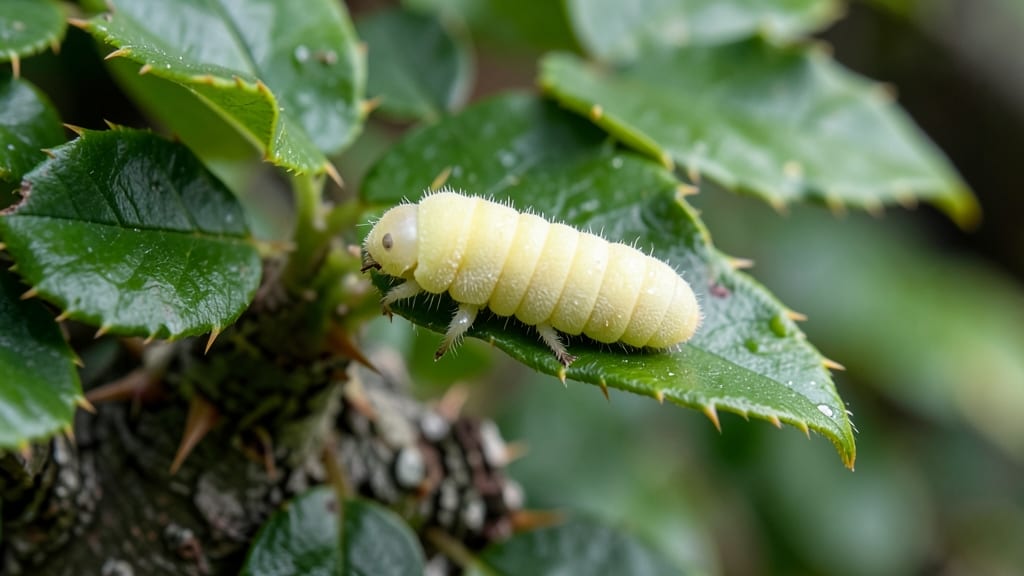
Those tiny, fast-moving critters devouring your roses aren't just annoying—they're a full-blown invasion. 🌿 I've battled walking rose insects like Japanese beetles and rose slugs, and neem oil spray is the fast solution that actually works without harming your plants. The key is timing and technique, not just spraying.
These pests leave behind skeletonized leaves, chewed petals, and a trail of destruction that spreads quickly if ignored. Most store-bought sprays miss the crawling stage, but neem oil disrupts their life cycle at every turn—within 24-48 hours, you'll see a noticeable difference.
What you'll end up with is roses that stay lush and healthy, free from the relentless march of beetles and slugs. The spray works on new growth too, so you can protect blooms before they even open.
Works for organic gardeners and conventional growers alike—just adjust the concentration based on your preference. Let's tackle this infestation head-on.
📚 In This Guide
- What you need
- Instructions
- Tips and common mistakes
- Wrapping up and next steps
What you need
- ● Neem oil (cold-pressed, organic): 1 tablespoon (15 mL) – Look for 100% pure, cold-pressed neem oil for best results.
- ● Dish soap (mild, unscented): ½ teaspoon (2.5 mL) – Avoid harsh detergents; Castile soap works great!
- ● Water (distilled or lukewarm tap water): 1 quart (32 oz or ~1 liter) – Distilled water prevents mineral buildup.
- ● Spray bottle (16 oz or larger): 1 – Choose a pump or trigger sprayer for even coverage.
- ● Stirring stick or spoon: 1 – For mixing ingredients thoroughly.
- ○ Protective gear (optional but recommended): Gloves (nitrile or rubber)
- ● Long sleeves/pants
- ● Safety goggles (if spraying near eyes)
- ○ Horticultural oil (optional): ½ teaspoon – Boosts effectiveness for stubborn infestations.
- ● Garlic or pepper spray (homemade): 1 teaspoon – Adds a natural insect-repelling punch!
- ● Fine-mesh strainer: 1 – If using tap water with sediment.
- ● Label or marker: 1 – To tag your spray bottle with the date (neem oil works best fresh!).
How to eliminate walking rose insects with neem oil spray
Here's the targeted approach I use to stop crawlers before they skeletonize your roses—no harsh chemicals, just a fast-acting neem solution.
🌿 Step 1: Identify and Confirm the Infestation
Walking rose insects—also called rose slugs or sawfly larvae—leave unmistakable signs: skeletonized leaves with only the midrib intact. Look closely for the tiny, green, slug-like larvae crawling along stems or hiding under leaves. I check plants during early morning when these pests are most active and sluggish.
Real talk: If you see just a few chewed leaves, it's early intervention time. Wait until you spot 10+ larvae per plant and you're dealing with a full-blown outbreak that requires immediate action. Examine both upper and lower leaf surfaces—larvae often cluster where they feed.
💧 Step 2: Prepare the Neem Oil Solution
Mix 1 tablespoon of pure, cold-pressed neem oil with 1 teaspoon of mild liquid soap (like Castile) in a quart of water. The soap acts as an emulsifier so the oil disperses properly. I stir vigorously for 30 seconds to create a fine suspension—neem oil won't dissolve completely.
Use this solution within 24 hours of mixing. Store any leftovers in a sealed container in the fridge, but I've found it's best to use it fresh for maximum effectiveness. The combination of neem's natural insecticidal properties and the soap's ability to disrupt larvae's waxy outer layer creates a double-edged attack.
✂️ Step 3: Apply at Peak Activity Times
Spray when temperatures are between 65-85°F and there's no direct sun—early morning or late evening works best. I aim for thorough coverage, focusing on the undersides of leaves where larvae hide. Hold the spray nozzle 12-18 inches away and apply until the solution runs off the leaves slightly.
Here's the thing—neem oil works by contact, so you need complete coverage. I like to work in sections, spraying one plant at a time while keeping an eye on the wind direction. Avoid spraying when blooms are open, as neem can harm pollinators. If you must treat flowering roses, apply in the evening when bees are less active.
🌱 Step 4: Repeat and Monitor for Results
Reapply the neem solution every 5-7 days for 3 weeks, even if you don't see immediate results. Larvae may take 7-10 days to die after treatment, and eggs laid before your first spray will hatch. I check plants daily during this period, looking for new larvae or fresh feeding damage.
You'll know it's working when you stop finding larvae and new growth appears healthy. The key is consistency—one application rarely eliminates an established infestation. After three weeks of treatments, your roses should be clear of crawlers, and new growth will be free of damage.
☀️ Step 5: Prevent Future Infestations
Once your roses are clear, focus on prevention. I start by removing all fallen leaves and debris from under plants—these are prime hiding spots for overwintering larvae. Prune out any heavily damaged stems and dispose of them in sealed bags, not your compost.
For long-term control, I apply a neem oil preventive spray every 2 weeks during the growing season, especially after rain or heavy dew. Healthy plants with good air circulation resist infestations better, so I also fertilize with a balanced organic formula and ensure proper spacing between plants for airflow.
Tips & tricks for effective neem oil spray application
Took me years of trial and error to perfect this neem oil approach—here's what actually works for eliminating walking rose insects without harming your plants.
Timing is Everything: The 24-hour window for using your freshly mixed neem solution is critical. Neem oil begins to degrade after this period, losing its effectiveness against larvae. I've found that mixing smaller batches—like a pint instead of a quart—ensures you'll use it fresh. The soap in the mixture also starts to break down after 24 hours, so don't be tempted to save leftovers for later applications.
Targeting Technique: When applying in Step 3, focus on the undersides of leaves where larvae hide, but don't neglect the stems and new growth. I use a handheld sprayer with a fine mist setting to ensure thorough coverage. The key is to apply until the solution runs off the leaves slightly—this ensures complete contact with any hidden larvae. For larger rose bushes, consider using a pump sprayer for more even coverage.
Monitoring for Results: The 5-7 day reapplication schedule in Step 4 is non-negotiable for established infestations. Larvae may take up to 10 days to die after treatment, and eggs laid before your first spray will hatch during this period. I keep a small notebook by my garden to record treatment dates and note any new larvae sightings. This helps track progress and ensures you don't miss any emerging pests.
Preventive Maintenance: For the 2-week preventive spray schedule mentioned in Step 5, I've found that adding a small amount of garlic powder (about ½ teaspoon per quart) to the neem solution enhances its deterrent properties. The strong aroma repels adult sawflies before they lay eggs. Always apply preventives after rain or heavy dew when larvae are most vulnerable to the treatment.
Pro Tips for Walking Rose Insect
- Took me years of trial and error to perfect this neem oil approach—here's what actually works for eliminating walking rose insects without harming your plants.
- Timing is Everything: The 24-hour window for using your freshly mixed neem solution is critical.
- Targeting Technique: When applying in Step 3, focus on the undersides of leaves where larvae hide, but don't neglect the stems and new growth.
Frequently asked questions
Got questions about those creepy-crawly walking rose insects? You're not alone!
Here are the most common concerns—and expert answers to help you tackle them fast.
What exactly are "walking rose insects," and why are they on my roses?
These are rose slugs (larvae of the sawfly) or rose sawfly larvae, fuzzy green caterpillar-like pests that munch on rose leaves. They "walk" (hence the name) and can defoliate plants quickly if left unchecked. They thrive in spring/summer when roses are lush and tender.
When is the best time to treat them with neem oil?
Apply neem oil early—as soon as you spot the first crawlers (usually April–June, depending on your climate). Reapply every 7–10 days or after rain. Pro tip: Treat in the evening to avoid harming bees and other pollinators.
Will neem oil kill the eggs or just the larvae?
Neem oil works best on visible larvae, but it can also disrupt egg hatching when applied to leaves. For extra protection, prune and destroy heavily infested leaves in the morning (when larvae are sluggish). Check the undersides of leaves—eggs look like tiny yellow dots!
What if neem oil doesn’t work? Are there other natural fixes?
If crawlers persist after 2–3 neem treatments, try:
- Insecticidal soap (spray directly on larvae)
- Bacillus thuringiensis (Bt) (organic bacteria that targets caterpillars)
- Handpick larvae into soapy water (works for small infestations)
- Introduce beneficial insects like ladybugs or parasitic wasps
Warning: Avoid chemical pesticides—they can harm pollinators and beneficial predators.
Can I still harvest or prune roses while treating for walking rose insects?
Yes! Prune infested leaves first (bag and discard them), then treat the plant. For cut flowers, harvest from untreated stems—neem oil residue is safe for humans but may leave a slight odor. Always wash flowers before arranging.
Wrapping up and next steps
Dealing with walking rose insects can feel overwhelming, but with the right approach—like a neem oil spray—you can reclaim your garden quickly and naturally. 🌿 These crawlers may be stubborn, but consistency and the right tools (like organic solutions) will turn the tide. Don’t wait for them to spread—act now!
Ready to take action? Start by gathering your supplies, following the spray method, and monitoring your roses for improvement. Your garden’s health is in your hands—go make it thrive!