
Plants
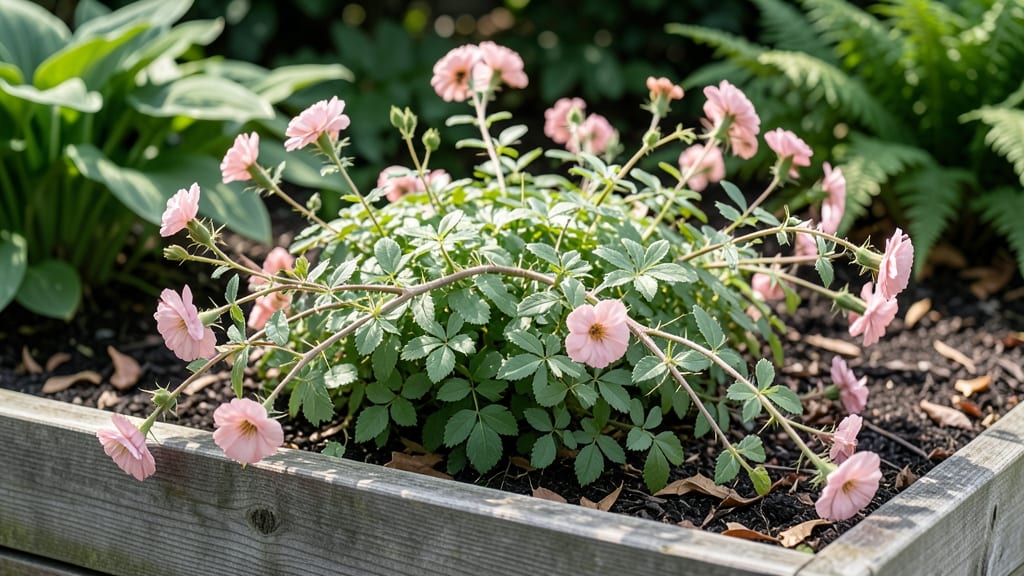
Moss rose seedlings start as tiny, round leaves clustered close to the stem, looking like miniature succulent pups. 🌱 The first true leaves are fuzzy and bright green, with a slightly waxy texture that sets them apart from other seedlings.
Unlike marigolds or impatiens, they lack jagged edges—just smooth, plump little discs that feel almost too perfect to handle. Healthy seedlings grow 1-2 inches tall in their first month, with stems that stay low to the ground, ready to trail.
Look for vibrant color and firm stems; anything leggy or yellowing needs more light or water. The real giveaway? Those delicate pink buds peeking out after just 6-8 weeks—no other common seedling blooms this early. Once you spot those first flowers, you know you’ve got true moss roses.
The blooms start as tiny pink cups, not the full-blown dinner-plate flowers you’ll see later. Pinch back any early blooms to encourage bushier growth—this is where most beginners go wrong. Transplant when seedlings hit 3-4 inches tall, spacing them 6-12 inches apart in well-draining soil.
They thrive in heat and poor soil, making them perfect for containers or sunny borders. Just avoid overwatering—these drought-lovers hate soggy roots.
Understanding Seedling Growth Factors
Moss rose seedlings (Portulaca grandiflora) are delicate and fast-growing, but their appearance can vary widely based on environmental and biological factors. If your seedlings don’t match the classic "tiny leaves and trailing habit" description, here’s why—and what’s actually happening in the soil and air around them.
Not all moss rose seeds are identical—even from the same parent plant! Genetic diversity means some seedlings may sprout with:
- Leaf shape differences: Some may have slightly broader, rounder, or even slightly lobed leaves instead of the classic oval or spoon-shaped ones. This is normal; moss roses exhibit moderate genetic variability in early growth stages.
- Color mutations: While most seedlings start with soft green or gray-green leaves, rare seedlings might display faint reddish or purplish tinges due to anthocyanin pigments (a natural plant sunscreen). This is harmless and often fades as they mature.
- Growth rate disparities: Some seedlings grow faster due to dominant genes inherited from one parent. If one seedling stretches taller while others stay compact, it’s likely a fast-growth allele at play.
Pro Tip: 💡 If you’re growing from seeds, expect a mix of traits—this diversity is part of the fun! Save seeds from your healthiest, most vibrant plants for next year’s batch to stabilize traits.
Moss roses thrive in warm conditions (70–90°F / 21–32°C), but seedlings can react dramatically to temperature extremes:
| Condition | Seedling Appearance | Why It Happens |
|---|---|---|
| Too Cold (<60°F / 15°C) | Slow growth, dark green or purple-tinged leaves, stunted stems. | Cold slows enzymatic activity in seedlings, reducing chlorophyll production. Purple hues appear due to anthocyanin accumulation as a stress response. |
| Heat Shock (>95°F / 35°C) | Thick, waxy leaves (glaucous coating), curled or crinkled edges. | Extreme heat triggers cuticular wax production to retain moisture. Leaves may also epinasty (curl downward) to reduce surface area and prevent water loss. |
| Nighttime Temperature Drops | Leaves may appear "puckered" or develop a rough texture. | Diurnal temperature swings cause osmotic stress in cells, leading to uneven cell expansion. This is common in succulent seedlings. |
Fix It: 🌡️ Use a heat mat (75–80°F) for seedlings indoors or move them to a south-facing windowsill with indirect light. Outdoor seedlings benefit from shade cloth during peak afternoon sun.
Moss rose seedlings are succulents, meaning they store water in their leaves and stems—but this doesn’t mean they’re drought-proof. Watering mistakes drastically alter their appearance:
Overwatering Signs:
- Mushy, translucent stems (cells burst from excess water).
- Yellowing leaves (chlorosis from oxygen deprivation in roots).
- Fungal growth (gray mold or powdery mildew on leaves).
Science Behind It: Overwatering creates anaerobic conditions in the soil, preventing roots from absorbing oxygen. This triggers ethylene gas production, which stunts growth and causes leaf discoloration.
Underwatering Signs:
- Leaves pucker or wrinkle (cells shrink to conserve moisture).
- Gray-green or blue-gray hue (reduced turgor pressure).
- Stems become woody or brittle (as seedlings prioritize survival over growth).
Science Behind It: Succulents like moss roses lose turgor pressure when dehydrated, causing leaves to collapse. However, unlike desert-adapted succulents, they cannot tolerate prolonged dryness as seedlings.
Pro Tip: ⏰ Water seedlings when the top inch of soil feels dry. Use a spray bottle for gentle misting to avoid disturbing delicate stems. Never let them sit in water—use pots with drainage holes!
Moss rose seedlings are photophilic (light-loving), but too much or too little light sends them into survival mode:
- Insufficient Light:
- Leaves grow long and thin (etiolation) to reach light.
- Stems become weak and leggy (reduced lignin production).
- Color turns pale yellow-green (chlorophyll breakdown from lack of photosynthesis).
Why? Low light reduces photosystem II activity, limiting energy for growth hormones like gibberellins.
- Excessive Light (Especially Direct Sun):
- Leaves develop sunburn spots (white or brown patches).
- New growth appears bleached or white-tipped (chlorophyll damage).
- Seedlings may stop growing temporarily (photoinhibition).
Why? UV radiation degrades chlorophyll and causes reactive oxygen species (ROS) buildup, which damages cell membranes.
Solution: 🌞 Provide bright, indirect light (e.g., east-facing window or grow lights 6–12 inches away). For outdoor seedlings, acclimate gradually to full sun over 7–10 days to avoid shock.
By addressing these root causes—genetics, temperature, water, and light—you’ll help your moss rose seedlings develop the classic tiny, trailing, pink-budded look they’re known for. Each factor acts like an invisible hand shaping their growth, so tweaking one variable at a time makes all the difference!
Reviving and Caring for Moss Rose Seedlings
If your moss rose seedlings aren’t thriving—or if you’re struggling to identify them correctly—don’t worry! With the right care, you can nurture them into vibrant, blooming plants.
Below are practical solutions tailored to common issues, from identification challenges to growth problems, along with prevention tips to keep your seedlings healthy.
Moss rose (Portulaca grandiflora) seedlings can sometimes blend in with other tiny plants, especially if they’re still in their early stages. Here’s how to tell them apart:
🌱 Step 1: Check the Leaves
- Healthy moss rose seedlings have small, rounded, fleshy leaves (about ½ inch long) that grow in a succulent-like pattern.
- Problem: If leaves look thin, elongated, or yellowing, they may be struggling from overwatering or poor drainage.
- Fix: Let the soil dry out slightly between waterings.
Use a well-draining potting mix (like cactus or succulent soil). - Prevention: Water only when the top inch of soil feels dry. Avoid soggy conditions—moss roses hate wet roots!
🌸 Step 2: Look for Early Buds or Trailing Habit
- True moss rose seedlings develop a low-growing, trailing habit as they mature.
- Problem: If seedlings are stretching tall and leggy, they’re likely not getting enough light.
- Fix: Move them to a sunny windowsill or under grow lights (12–14 hours of light daily).
- Prevention: Start seedlings in bright, indirect light and gradually introduce direct sun to harden them off.
🐛 Step 3: Rule Out Pests or Disease
- Aphids, spider mites, or fungal spots can disguise seedlings, making them look weak or deformed.
- Fix:
- For pests: Spray with neem oil or insecticidal soap (diluted as directed).
- For fungal issues: Remove affected seedlings and treat with a fungicide (like copper-based spray).
- Prevention: Keep the growing area clean and well-ventilated.
Avoid overhead watering to prevent mold.
Even if you’ve confirmed they’re moss roses, seedlings may still face issues. Here’s how to troubleshoot:
💧 Overwatering or Underwatering
- Signs: Wilting, mushy stems, or yellowing leaves (overwatering); dry, crispy leaves (underwatering).
- Fix:
- Overwatered? Let the soil dry completely, then repot in fresh, fast-draining mix.
- Underwatered? Water deeply but only when soil is dry—moss roses store water in their leaves, so they prefer drought-like conditions.
- Prevention: Use terracotta pots (they dry faster) and avoid saucers that trap water.
☀️ Leggy or Weak Seedlings
- Signs: Long, thin stems with small, sparse leaves.
- Fix:
- Rotate pots daily to ensure even light exposure.
- Prune leggy stems to encourage bushier growth (pinch back the tips).
- Prevention: Start with full-spectrum grow lights if natural light is limited.
🍃 Nutrient Deficiencies
- Signs: Pale leaves, slow growth, or small, weak blooms.
- Fix:
- Use a balanced, water-soluble fertilizer (like 10-10-10) diluted to half strength every 2–3 weeks.
- Avoid over-fertilizing—moss roses prefer lean soil and can scorch in rich nutrients.
- Prevention: Test soil pH (ideal: 6.0–7.0).
Amend with perlite or sand if soil is too dense.
Once your moss rose seedlings are on the right track, keep them happy with these pro tips:
🌡️ Temperature and Humidity
- Ideal temps: 70–80°F (21–27°C) during the day, 55–60°F (13–16°C) at night.
- Problem: Cold drafts or high humidity can cause rot or powdery mildew.
- Fix: Keep seedlings in a warm, dry environment (avoid basements or damp greenhouses).
- Prevention: Use a small fan for airflow—this mimics their natural desert-like conditions.
🌿 Transplanting Tips
- When to move: Once seedlings have 2–3 sets of true leaves (usually 4–6 weeks after sowing).
- How to transplant:
- Hardening off: Acclimate seedlings to outdoor conditions over 7–10 days (start with 1 hour outside, gradually increase).
- Planting depth: Bury stems just slightly deeper than they were in pots—roots will form along the buried stem.
- Prevention: Space plants 6–12 inches apart to allow airflow and prevent disease.
✨ Encouraging Blooms - Problem: Seedlings aren’t flowering yet?
They need more light and warmth. - Fix: - Move to a sunnier spot (6+ hours of direct sun daily). - Pinch back flowers as they fade to encourage more blooms. - Prevention: Deadhead regularly to stimulate continuous flowering.
Final Thought: Moss rose seedlings are resilient but finicky—they reward patience with vibrant, long-lasting blooms. By addressing issues early and mimicking their arid, sunny habitat, you’ll set them up for success. 🌸✨
Frequently asked questions
How can I tell if my tiny seedlings are moss roses?
Look for small, round, fleshy leaves (about ½ inch wide) that grow close to the stem in a rosette pattern. Healthy seedlings have a slightly waxy texture and vibrant green color—unlike thin, elongated leaves of other plants. The real clue? Moss rose seedlings stay low to the ground, developing a trailing habit early on.
Why do some moss rose seedlings look purple or reddish?
This is normal! The reddish or purplish tint comes from anthocyanin pigments, which act like natural sunscreen for seedlings. It’s common in cool temperatures or when seedlings are exposed to bright light. These pigments usually fade as the plants mature and get more sun.
How fast should moss rose seedlings grow?
Expect 1-2 inches of growth in their first month, with delicate pink buds appearing after 6-8 weeks. If growth is slower, check for insufficient light or overwatering. Leggy seedlings need more sun, while compact ones might be too cold or crowded.
Can I transplant moss rose seedlings too soon?
Wait until they have 2-3 sets of true leaves (usually 4-6 weeks old) and are at least 3-4 inches tall. Transplanting too early stresses the delicate roots. Harden them off first by gradually exposing them to outdoor conditions over 7-10 days before permanent planting.
What should I do if my seedlings look weak or leggy?
Leggy seedlings need more light! Move them to a sunny windowsill or under grow lights (12-14 hours/day). Pinch back the tips to encourage bushier growth. Avoid overcrowding—space them 2-3 inches apart in trays to prevent competition for light.