
Plants
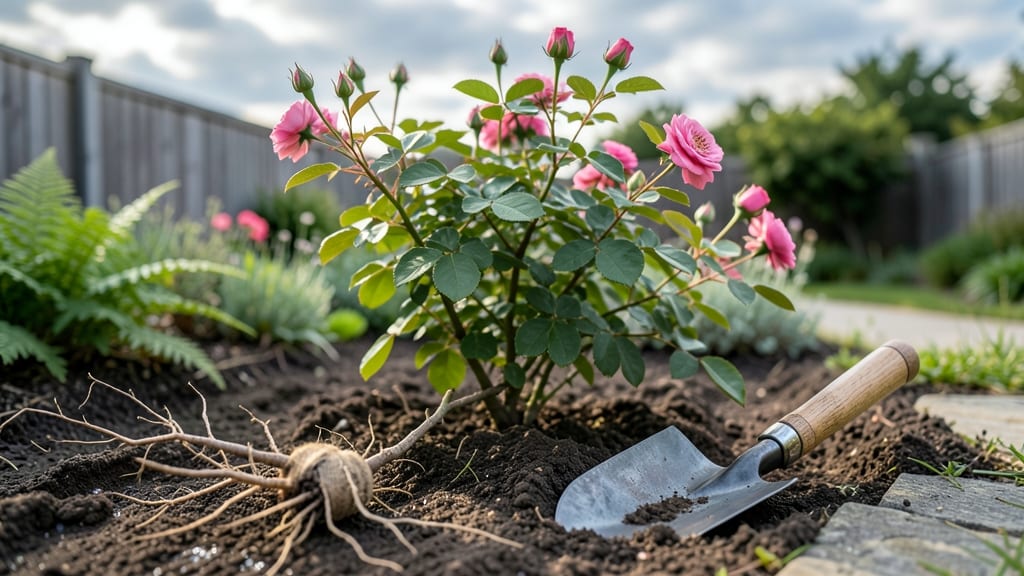
Planting Knockout roses 🌹 in North Carolina at the right time means the difference between a bush bursting with blooms and one that struggles to take hold.
If you’ve ever watched your Knockout roses 🌹 wilt under a late frost or bloom weakly after a rushed spring planting, you know how critical timing is. North Carolina’s climate zones—from 6b to 8a—create unique windows where soil, temperature, and rainfall align perfectly for root growth.
Most gardeners swear by early spring (February to April) for bare-root roses, but fall (September to October) can be even better in warmer zones like 8a, giving roots time to establish before winter.
The key is avoiding those tricky transitional months when frost lingers or summer heat arrives too soon.
Below, I’ll break down the ideal months for your zone, soil prep secrets, and how to tell when your microclimate is truly ready—so you can plant with confidence and enjoy nonstop blooms all season.
Best planting months for Knockout roses in North Carolina’s climate zones
North Carolina’s USDA Zones 7a-8b offer distinct microclimates that directly impact when you should plant Knockout roses. These hardy shrubs thrive with proper timing, but planting too early risks frost damage, while waiting too long can stunt root growth.
Let’s break down the optimal planting windows for each zone, so you can enjoy continuous blooms from spring to frost.
For Zone 7a (e.g., Raleigh, Greensboro), the best planting months are late February through April for bare-root roses or September to early October for container-grown plants.
In Zone 8a (e.g., Wilmington, Fayetteville), you have a slightly extended window—March to May or August to October—thanks to milder winters and later frosts.
Here’s the key: Soil temperature should be above 50°F (10°C) and frost risk should be minimal. Planting in fall gives roots time to establish before winter, while spring planting ensures vigorous growth as temperatures rise. Let’s dive into the details for each zone to avoid common mistakes.
In Zone 7a, where last frosts typically hit around March 1, aim to plant bare-root roses by late February to give roots time to establish before blooming season. For container-grown roses, September is ideal—roots can settle before winter, and you’ll see earlier blooms the following spring.
Avoid planting in Zone 7a during April-May unless you’re using container-grown roses, as summer heat can stress newly planted shrubs. In Zone 8a, where winters are milder, you can push planting to early November, but stop by mid-November to prevent root shock before the first frost.
One of the biggest mistakes I see is planting too early in Zone 7b (e.g., January or early February). While the ground may be workable, cold snaps can still occur, damaging tender roots.
Always check your local frost dates and soil temperature—a simple soil thermometer (under $10) is a game-changer.
For Zone 8b, where winters are nearly frost-free, focus on September-October planting. This timing lets roses establish roots before the humid summer heat of June-July.
If you plant in spring, water deeply every 2-3 days until roots are established—drought stress is a common issue in southern NC’s clay soils.
Pro tip: Amend your soil with compost or aged manure 4-6 weeks before planting. This improves drainage and provides nutrients for root growth. In Zone 7a-7b, where soils are often clay-heavy, mix in sand or perlite to prevent waterlogging—a major cause of root rot in Knockout roses.
Finally, mulch heavily (3-4 inches) after planting to retain moisture and regulate soil temperature. In Zone 8a-8b, use pine straw or shredded bark to reduce humidity around the plant, which lowers the risk of black spot disease, a common issue in NC’s damp summers.
Signs your North Carolina soil and microclimate are ready for planting
Planting Knockout roses in North Carolina requires more than just picking a month—your soil temperature and microclimate must align with their needs. These disease-resistant shrubs thrive when the ground warms to 60°F+ and stays consistently moist.
Ignoring these signs often leads to stunted growth or fungal issues, so let’s dive into what your garden is telling you.
Start by checking your last frost date, which varies by zone. In USDA Zone 7a (e.g., Raleigh), aim for March 1, while Zone 8a (e.g., Wilmington) can plant as early as February 15.
Use a soil thermometer to confirm the top 6 inches of soil have reached 60°F—this is your green light for spring planting.
Your local microclimate plays a huge role too. If your yard sits in a low-lying area or near large trees, it may stay cooler longer. Conversely, south-facing slopes or paved surfaces can warm up faster.
Observe these microclimates by watching nearby plants—dandelions blooming or mulberry trees leafing out signal warming soil.
Key Takeaway: Ready-to-Plant Checklist for NC
Don’t overlook moisture levels—Knockout roses despise soggy soil. Stick your finger 2 inches deep; if it feels damp but not wet, your soil is ready. For container-grown roses, ensure the root ball isn’t bone-dry.
A quick water test (dig a small hole, fill it with water, and see how fast it drains) reveals drainage issues before planting.
For fall planting (ideal in NC’s Zones 7-8), wait until 6-8 weeks before first frost. This gives roots time to establish before winter. In Zone 7a, aim for September 15-October 15, while Zone 8a can extend to November 1.
Check your local weather forecast for extended dry spells—these can stress newly planted roses.
Finally, observe your neighborhood’s planting patterns. If local gardeners are already pruning hydrangeas or planting pansies, it’s likely safe for your Knockout roses. Combine these signs with your soil tests (pH 6.0-6.5 is ideal), and you’ll have roses thriving in no time. 🌹