
Flowers
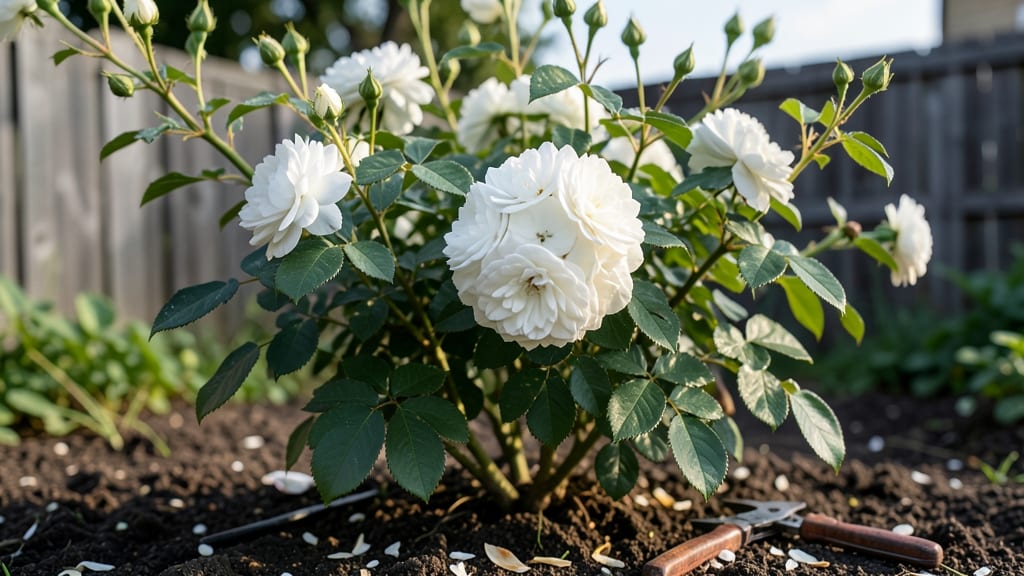
The delicate white rose color of these blooms casts an ethereal glow, turning any garden into a quiet masterpiece—one I’ve built entire borders around for that exact effect. Their pure hue reflects light differently than darker blooms, making them the unsung hero of garden elegance.
The secret lies in their versatility: pair them with deep greens for a classic look, or let them shine against blush pinks or lavender for a romantic twist.
They work as standalone stars or woven into cottage-style gardens, always adding that "wow" factor without overpowering. Even in winter, their skeletal branches hold quiet beauty.
What you’ll love most is how they elevate ambiance—soft moonlight vibes at dusk, crisp elegance for weddings, or a soothing retreat for morning tea. Their fragrance lingers longer than most roses, too, making every stroll through the garden feel like a sensory treat.
The key? Plant them where they’ll get 6+ hours of sun and prune them lightly in spring to encourage those lush, full blooms.
Whether you’re designing a formal garden or a wildflower meadow, white roses anchor the space with grace. They’re the perfect blank slate for adding pops of color—try deep purple salvias or golden black-eyed Susans for contrast that pops.
Start small with a single bush, and watch how it changes the whole vibe of your outdoor sanctuary.
📚 In This Guide
- What you need
- Instructions
- Tips and common mistakes
- Wrapping up and next steps
What you need
- ● White rose bushes – Choose disease-resistant varieties like 'Iceberg' or 'Double Delight' (3–5 plants for a small garden, 6+ for larger spaces).
- ● Well-draining soil – Mix garden soil with compost (ratio: 2 parts soil to 1 part compost).
- ● Organic fertilizer – Slow-release granular (10-10-10 NPK ratio) or rose-specific formula.
- ● Mulch – Wood chips or straw (2–3 inches thick) to retain moisture.
- ● Stakes or trellis – 4–6 ft tall for climbing varieties (e.g., 'New Dawn').
- ● Pruning shears – Sharp, sterilized shears for trimming.
- ● Watering can or hose – With a gentle spray nozzle.
- ● Fresh white roses – 12–24 stems (long, straight stems for bouquets; shorter for centerpieces).
- ● Floral preservative – 1 packet (or 1 tsp sugar + 1 tsp bleach per quart of water).
- ● Vase or container – Clean, glass (8–12" tall) or ceramic with a narrow neck.
- ○ Floral foam (optional) – For heavy arrangements (1 block per 10–12 stems).
- ● Scissors or knife – For trimming stems at 45° angles.
- ○ Greenery fillers (optional) – Eucalyptus, baby’s breath, or ivy for texture.
- ● ✨ Sunlight: Plant roses in full sun (6+ hours daily) for vibrant blooms.
- ● 💧 Watering: Keep soil consistently moist but not soggy.
- ● 🌡️ Climate: Hardiness zones 5–10; protect from frost if needed.
- ● 🎯 Arrangements: Change vase water every 2–3 days for longevity.
How to create a striking white rose garden design
Here's how to use white roses for timeless elegance while maximizing visual impact.
Select Complementary Plants for Contrast
White roses shine brightest when paired with deep, saturated colors. I always choose purple, burgundy, or deep green foliage to create dramatic contrast—think black mondo grass or heuchera in 'Plum Pudding.' These pairings make white roses pop while keeping the garden sophisticated.
For a softer look, add blush pink roses or lavender to create a romantic gradient effect. The key is to avoid all-white plantings, which can feel flat. Even a single dark foliage plant like Oregon grape will elevate the design instantly.
Plan for Season-Long Interest
White roses bloom prolifically but need supporting plants that carry interest before and after their peak. I plant spring bulbs like white daffodils and fall bloomers such as chrysanthemums to extend the visual drama. These ensure your garden never looks bare.
For structure, add evergreens like boxwood or holly in dark green varieties. Their deep tones frame the white roses beautifully while providing year-round contrast. Place them at the outer edges of your rose bed to create a natural border effect.
Arrange for Maximum Visual Impact
Plant white roses in odd-numbered groupings—threes or fives work best. This creates natural focal points that draw the eye. Space them 3-4 feet apart to allow air circulation and prevent disease, but close enough so they appear as a cohesive mass.
Place taller varieties at the back and shorter ones in front. For a dramatic effect, interplant with silver foliage plants like lamb's ear or artemisia. The metallic sheen of silver foliage makes white roses appear even brighter against it.
Maintain for Long-Lasting Beauty
Deadhead spent blooms immediately to encourage continuous flowering. I use clean, sharp pruners and cut just above a leaf node to promote new growth. This keeps the roses looking fresh and prevents leggy growth.
Mulch with 2-3 inches of organic mulch to retain moisture and suppress weeds. White roses thrive in well-draining soil with a pH of 6.0-6.5. Test your soil annually and amend with compost if needed—healthy soil equals better blooms.
Light and Placement for Dramatic Effect
Position your white rose garden where it receives full sun (6-8 hours daily). Morning sun is ideal—it prevents afternoon heat stress while ensuring vibrant blooms. If your garden has afternoon shade, choose disease-resistant varieties like 'Iceberg' or 'Double Delight.'
For evening appeal, incorporate scented white roses like 'White Peace' or 'Blanc Double de Coubert.' Their fragrance becomes a nighttime highlight. Place seating areas nearby so you can enjoy the garden's elegance at all hours.
Tips & tricks for stunning white rose garden designs
Creating a showstopping white rose garden isn't just about planting—it's about strategic pairings and thoughtful design choices that elevate the simplicity of white blooms.
Contrast is Key: The secret to making white roses truly pop lies in their companions. In Step 1, when selecting complementary plants, I can't stress enough how crucial it is to choose deep, saturated colors like burgundy heuchera or black mondo grass. These create that dramatic contrast that makes white roses appear even more radiant. For a softer look, interplant with blush pink roses—their subtle gradient creates a romantic effect that flat white-only plantings simply can't match.
Odd Numbers Create Focal Points: When arranging your white roses in Step 3, resist the urge to plant them in even rows. The instructions recommend odd-numbered groupings (threes or fives), and this isn't just a design rule—it's a visual psychology trick. Our eyes naturally gravitate toward odd numbers, creating those perfect focal points that draw attention to your roses. I've seen gardens where people planted white roses in straight lines, and while they looked neat, they never had that "wow" factor.
Layer Light and Texture: For maximum impact in Step 5, think about light as much as color. Position your white roses to receive full sun (6-8 hours daily) for vibrant blooms, but also consider how light will change throughout the day. Morning sun prevents afternoon heat stress, while evening fragrance from scented varieties like 'White Peace' creates a nighttime highlight. The silver foliage plants mentioned in Step 3—like lamb's ear—add another dimension by reflecting light, making your white roses appear even brighter against their metallic backdrop.
Seasonal Layering Strategy: The instructions highlight planning for season-long interest in Step 2, and this is where many gardeners miss the mark. While white roses bloom prolifically, they won't carry your garden through all seasons alone. I've learned the hard way that planting only roses leads to bare patches when they're not in bloom. The spring bulbs (like white daffodils) and fall chrysanthemums mentioned create that beautiful progression, ensuring your garden remains dynamic from first bloom to final frost.
Pro Tips for White Rose Color
- Creating a showstopping white rose garden isn't just about planting—it's about strategic pairings and thoughtful design choices that elevate the simplicity of white blooms.
- Contrast is Key: The secret to making white roses truly pop lies in their companions.
- Odd Numbers Create Focal Points: When arranging your white roses in Step 3, resist the urge to plant them in even rows.
Frequently asked questions
Got questions about the timeless beauty of white rose color? You’re not alone! Here are some of the most common queries—and their answers—to help you make the most of this elegant hue in your garden or floral arrangements.
What’s the best time of year to plant white roses for optimal blooms?
For spring-planted varieties, aim for late winter or early spring (just before the last frost) when soil is workable but not soggy. If planting bare-root roses, do it in early spring or fall—avoid summer heat. Container-grown roses thrive year-round, but spring or fall still gives them the best start. Pro tip: Check your USDA hardiness zone for local timing!
How do I keep white roses looking fresh longer in arrangements?
Trim stems at a 45° angle, strip lower leaves, and place in cool water (change daily). Add a drop of bleach or floral preservative to prevent bacteria. Avoid direct sunlight and drafts—white roses fade faster in heat. For extra longevity, recut stems every 2–3 days. Bonus: A splash of sugar (1 tsp per quart) fuels blooms!
Are white roses high-maintenance? What’s the biggest challenge?
Not necessarily! The main hurdle is powdery mildew—a fungal risk in humid climates. To prevent it, space plants for airflow, water at the base (not overhead), and prune for sunlight. Hybrid teas need more pruning, while climbing roses require trellises. Most varieties thrive with regular pruning and balanced fertilizer (like 10-10-10).
Can I mix white roses with other colors? What pairings work best?
White roses act as a blank canvas—try these pairings:
- Romantic: Deep red or blush pink (classic contrast)
- Elegant: Soft lavender or sage green (whimsical)
- Bold: Emerald or burgundy foliage (dramatic)
What’s a low-cost alternative to fresh white roses for decor?
Consider these budget-friendly swaps:
- Dried roses: Preserve blooms with silica gel or air-dry for long-lasting arrangements.
- Fabric roses: Use white satin or lace for DIY centerpieces (YouTube tutorials help!).
- Paper flowers: Craft with tissue paper or origami for lightweight decor.
- White peonies or ranunculus: Often cheaper than roses but equally lush.
Wrapping up and next steps
The white rose isn’t just a flower—it’s a timeless symbol of purity, sophistication, and quiet drama in any garden. Its soft contrast against deeper hues or lush greenery creates effortless elegance, proving that simplicity can be the most striking choice.
Whether you’re a seasoned gardener or just starting, embracing this classic bloom invites serenity and beauty into your outdoor space.
Ready to bring this white rose color magic to life? Start small—plant a single bush, mix it into a bouquet, or even experiment with white rose-themed decor. Every step is a chance to cultivate something extraordinary! 🌸✨