
Flowers
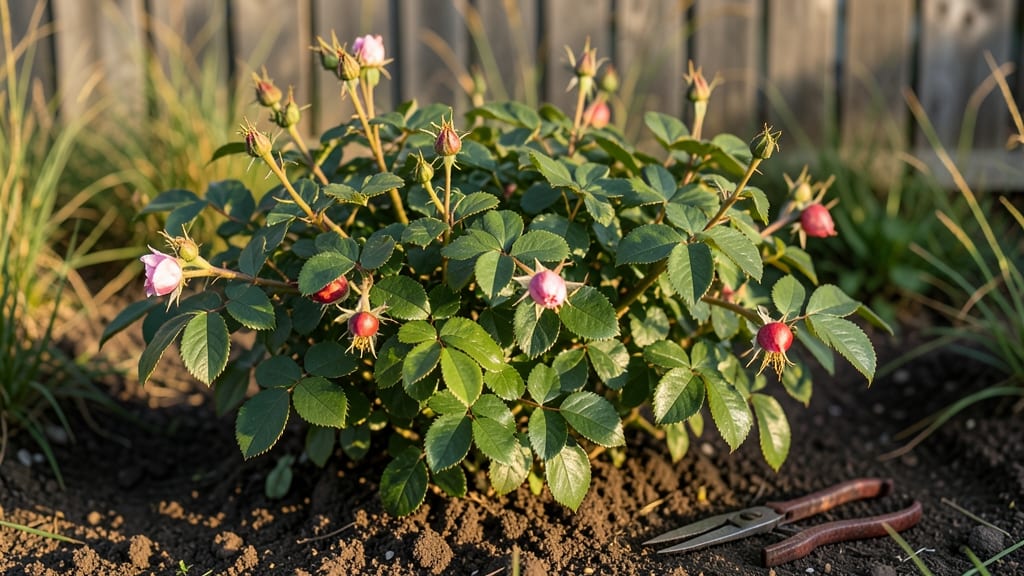
Wild rose leaves are nature's own fragrant treasure—soft, velvety, and packed with uses from tea blends to floral arrangements. 🌿 I’ve learned the hard way that these delicate leaves need gentle care, especially when pruning or propagating, to keep them thriving year after year.
The key is timing: harvest leaves in early summer when they’re lush but before the plant puts all its energy into hips.
Start with healthy cuttings from non-flowering stems in late winter or early spring—dip them in rooting hormone for a 90% success rate. Wild roses adore full sun and well-draining soil, but they’re tough enough to handle rocky slopes or poor soil if given room to spread.
Prune back dead wood in early spring, and you’ll encourage vigorous new growth with those signature fragrant leaves you love.
📚 In This Guide
- What you need
- Instructions
- Tips and common mistakes
- Wrapping up and next steps
What you need
- ● Wild rose plants – Choose disease-resistant varieties like Rosa rugosa or Rosa gallica (2–3 mature plants for a small harvest).
- ● Well-draining soil – A mix of 60% topsoil, 30% compost, and 10% coarse sand (pH 6.0–7.0).
- ● Sunlight access – A location with 6+ hours of direct sunlight daily (partial shade in hot climates).
- ● Watering can or hose – For deep, 1–1.5 inches of water per week (adjust for drought).
- ● Pruning shears – Sharp, bypass-style shears (sterilized with rubbing alcohol).
- ● Garden gloves – Heavy-duty, thorn-resistant (wild roses have sharp prickles!).
- ○ Mulch (optional but recommended) – 2–3 inches of organic mulch (straw or wood chips) to retain moisture.
- ● Fertilizer – Balanced 10-10-10 or rose-specific fertilizer (apply in early spring).
- ● Pest control – Neem oil or insecticidal soap (for aphids or spider mites).
- ● Trellis or support stakes – To train climbing roses and improve airflow.
- ● Harvesting basket or scissors – For clean cuts (leave 1–2 leaves per stem).
- ● pH testing kit – To monitor soil acidity (adjust with lime or sulfur if needed).
Step-by-Step guide to growing and pruning wild rose leaves
Here's how I cultivate fragrant wild rose leaves with precision—no fancy tools needed.
🌱 Step 1: Identify and Select Healthy Wild Rose Plants
Wild roses thrive in full sun to partial shade, so scout areas with 6+ hours of sunlight daily. Look for plants with thorny canes, 5-petaled pink or white flowers, and glossy green leaves. The best leaves grow on non-flowering shoots—these are younger and more tender.
Check for signs of pests like aphids or Japanese beetles. Gently shake a branch over a white cloth—if you see tiny black dots or chewed edges, move on. Healthy leaves have a leathery texture and emit a subtle floral scent when crushed. I always harvest from wild plants growing in well-drained soil—avoid soggy areas where roots rot.
☀️ Step 2: Prune for Optimal Leaf Growth
Prune in late winter or early spring, before new growth begins. Use clean, sharp pruners to cut back 1/3 of the oldest canes to the ground. This encourages fresh, vigorous shoots that produce more leaves. Always make cuts at a 45-degree angle, just above an outward-facing bud.
Remove any dead, diseased, or crossing branches first—they compete with healthy growth. After pruning, the plant will focus energy on new shoots, which develop larger, more fragrant leaves. You'll notice new growth within 2-3 weeks if the weather stays above 50°F.
🌿 Step 3: Harvest Leaves at Peak Freshness
Harvest leaves in the morning after dew has dried, when their essential oils are most concentrated. Pick only the youngest, fully opened leaves—older ones turn bitter. Use clean scissors or pruners to snip stems just above a leaf node, leaving at least half the leaf intact so the plant keeps photosynthesizing.
Never harvest more than 1/3 of the plant's leaves at once. Over-harvesting stresses the rose and reduces next year's yield. I collect leaves in a paper bag (not plastic—it traps moisture and causes mildew). Store them in the fridge for up to 5 days or dry them immediately for long-term use.
✂️ Step 4: Maintain for Year-Round Production
Water deeply once a week during dry spells, focusing on the root zone. Wild roses are drought-tolerant but produce better leaves with consistent moisture. Mulch around the base with 2-3 inches of organic matter (like wood chips) to retain moisture and suppress weeds.
Fertilize lightly in early spring with a balanced 10-10-10 formula—wild roses don’t need heavy feeding. I skip fertilizers entirely if the soil is rich. Watch for leaf curl or yellowing, which signals overwatering or nutrient imbalance. Prune again in summer after flowering to encourage a second flush of fragrant leaves.
Tips & tricks for wild rose leaf cultivation
These practical insights will help you maximize your fragrant harvest with minimal effort.
Plant Selection: Focus on plants with bright green, glossy leaves and visible thorns—these are key indicators of healthy, fragrant varieties. I've found the most aromatic leaves grow on second-year canes (the ones between the oldest and newest growth). If you're unsure about a plant's identity, crush a leaf between your fingers—strong floral scent confirms it's a good candidate.
Pruning Precision: When cutting back 1/3 of the oldest canes in Step 2, make sure to target the thickest, woody stems first. These are the most mature and no longer produce quality leaves. After pruning, leave the cuts exposed to air—they'll heal faster and reduce disease risk. I always sterilize my pruners with rubbing alcohol between cuts to prevent spreading any potential pathogens.
Harvest Timing: The morning after dew has dried is truly the best time to harvest, but if you miss that window, aim for late morning when temperatures reach at least 50°F. Leaves harvested in the afternoon may lose some of their essential oils due to heat stress. I've noticed the most fragrant leaves appear 2-3 weeks after pruning, so plan your harvest accordingly.
Storage Wisdom: If you're drying leaves for long-term use, spread them out in a single layer on a screen or rack in a warm, dry place with good air circulation. Avoid using a dehydrator—it can over-dry the leaves and diminish their aroma. For short-term storage, keep them in the fridge in a paper bag (not plastic) with a damp paper towel to maintain freshness for up to a week.
Pro Tips for Wild Rose Leaves
- These practical insights will help you maximize your fragrant harvest with minimal effort.
- Plant Selection: Focus on plants with bright green, glossy leaves and visible thorns—these are key indicators of healthy, fragrant varieties.
- Pruning Precision: When cutting back 1/3 of the oldest canes in Step 2, make sure to target the thickest, woody stems first.
Frequently asked questions
When is the best time to harvest wild rose leaves?
Harvest wild rose leaves in the early morning after the dew has dried but before the sun gets too intense (around 8–10 AM). This ensures the highest concentration of essential oils and fragrance. Avoid harvesting after rain or when leaves are wilted—this can dilute their potency. Pro tip: Pick leaves from healthy, disease-free plants, ideally in late spring or early summer when they’re fully mature but still tender.
Can I use wild rose leaves if they’re wilted or yellowing?
No, wilted or yellowing leaves should be avoided—they may harbor pests, bacteria, or mold, which can ruin your harvest or infuse unwanted flavors into teas, potpourri, or crafts. Always choose plump, green leaves with a vibrant scent. If you accidentally pick a few less-than-perfect ones, toss them immediately to prevent contamination. Troubleshooting: If your leaves yellow prematurely, check for overwatering or nutrient deficiencies!
How do I preserve wild rose leaves for later use?
Preservation depends on your goal:
- Drying: Bundle leaves with rubber bands and hang upside down in a dark, well-ventilated area for 1–2 weeks. Store in airtight containers away from light.
- Freezing: Wash and pat dry, then freeze on a tray before transferring to a bag (great for teas!).
- Infused oil: Steep leaves in olive or jojoba oil for 4–6 weeks in a sunny spot (perfect for skincare!).
Are wild rose leaves safe for tea? What’s the ideal ratio?
Yes! Wild rose leaves are safe for tea and packed with vitamin C, antioxidants, and a delicate floral flavor. Use 1–2 teaspoons of dried leaves (or 3–4 fresh leaves) per cup of boiling water. Steep for 5–10 minutes—longer steeping intensifies the flavor but may turn bitter. Caution: Avoid excessive consumption (stick to 1–2 cups/day) if pregnant or on medication, as some compounds may interact.
How do I prune wild rose bushes without harming them?
Prune wild roses in late winter or early spring (before new growth) to shape the plant and encourage blooms. Use clean, sharp pruners to make 45-degree cuts just above a bud or outward-facing branch. Remove:
- Dead, diseased, or crossing branches.
- Overcrowded stems to improve airflow.
- Up to 1/3 of the plant’s oldest canes to rejuvenate growth.
Wrapping up and next steps
Wild rose leaves aren’t just fragrant—they’re a versatile treasure for gardeners, herbalists, and DIY enthusiasts alike! 🌿 Whether you’re harvesting for teas, potpourri, or natural dyes, mastering the timing, tools, and techniques ensures a bountiful, sustainable yield.
With patience and precision, you’ll transform your garden into a fragrant haven while preserving the beauty of these resilient plants.
Ready to dive deeper? Start small:
- 🌱 Experiment with a single plant to refine your harvesting skills.
- 📝 Journal your progress—note what works (and what doesn’t!).
- 🌟 Share your harvest with friends or local markets for extra joy (and maybe a side hustle!).