
Flowers
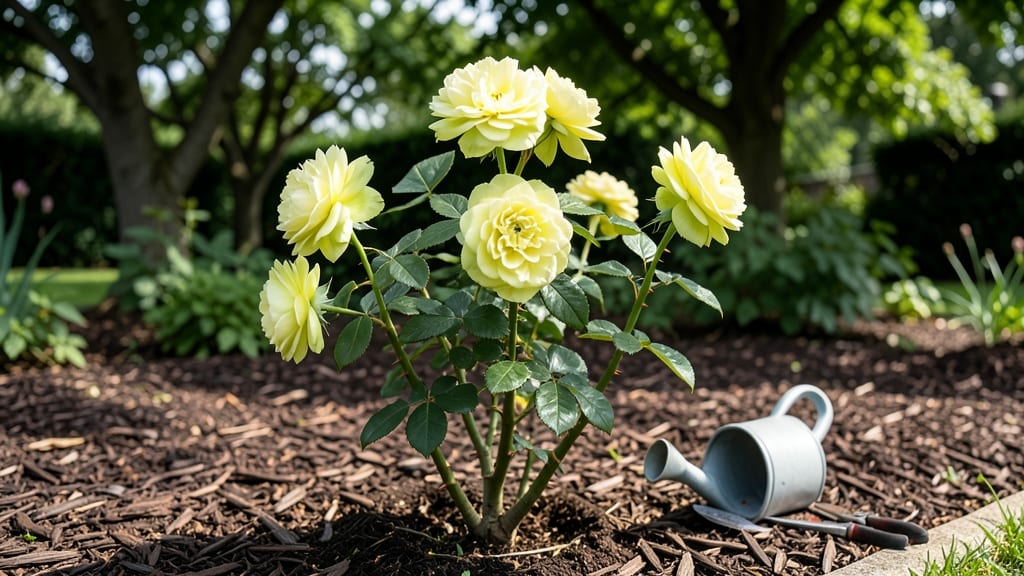
Those yellow-green roses aren’t just pretty—they’re a gardening marvel that turns heads and fills the air with a fresh, citrusy scent. 🌸 I’ve grown them for years, and the secret to keeping their unique color isn’t just luck—it’s all about sunlight, soil, and a little extra care.
Most gardeners assume yellow roses are one shade, but these variegated beauties need specific conditions to stay vibrant, not fade to pale or sickly green.
The trick starts with 6+ hours of morning sun—afternoon shade protects their delicate petals from fading. Amend your soil with compost to keep it rich but well-draining, and water at the base (never overhead) to prevent mildew.
Prune in early spring to encourage bushy growth, and feed with a balanced rose fertilizer every 4-6 weeks. The payoff? Blooms that stay shockingly lush for weeks, not the wilted, colorless messes you see in stores.
📚 In This Guide
- What you need
- Instructions
- Tips and common mistakes
- Wrapping up and next steps
What you need
- ● Yellow-green rose plants: Choose disease-resistant varieties like 'Mister Lincoln' (deep yellow) or 'Golden Celebration' (golden-yellow with green undertones). Buy 1–3 bare-root plants or potted cuttings.
- ● Well-draining soil: A mix of 60% topsoil, 30% compost, and 10% perlite or sand (1 bag per plant). For containers, use a rose-specific potting mix (2–3 gallons per pot).
- ● Fertilizer: Balanced rose fertilizer (10-10-10 or 20-20-20) – 1 lb per plant (sprinkle lightly around roots).
- ○ Slow-release organic fertilizer (optional) – 1 cup per plant (e.g., bone meal or fish emulsion).
- ● Mulch: 2–3 inches of organic mulch (e.g., wood chips or straw) to retain moisture and regulate temperature.
- ● Garden trowel or shovel – For planting and soil prep.
- ● Pruning shears – Sharp, clean shears (sterilize with rubbing alcohol).
- ● Watering can or hose with a gentle spray nozzle – Roses need 1–1.5 inches of water per week.
- ● Gloves – Heavy-duty garden gloves to protect hands from thorns.
- ○ Support system (optional but recommended): Rose trellis, cage, or stakes – Choose based on rose height (e.g., 4–6 ft for climbing varieties).
- ● Twine or soft plant ties – For securing stems to supports.
- ● Sunlight: A full-sun location (6+ hours of direct sunlight daily). Yellow-green roses thrive in morning sun + afternoon shade in hot climates.
- ● pH-balanced soil: Test soil pH (ideal range: 6.0–6.5). Adjust with lime (to raise pH) or sulfur (to lower pH) if needed.
- ● Patience: Roses take 3–5 months to establish and bloom. Plan accordingly!
Step-by-step instructions for cultivating vibrant yellow-green roses
Here's how to coax those stunning yellow-green blooms from your roses with sunlight precision.
☀️ Step 1: Select the Perfect Sunlight Location
Yellow-green roses thrive in 6-8 hours of direct sunlight daily, but they despise harsh midday sun in hot climates. I plant mine where they get morning sun and afternoon shade—think east-facing beds with afternoon dappled light. Observe your yard: if leaves scorch by noon, move the site.
For containers, place pots where they receive at least 50% sunlight exposure—even partial shade roses need more light than most garden varieties. Rotate pots weekly so all sides get even sun. You'll notice growth slowing on one side if they're consistently leaning toward the light.
🌱 Step 2: Prepare Soil for Optimal Growth
Amend your soil with compost or aged manure to a depth of 12 inches—yellow-green roses love rich, well-draining soil. I mix in a handful of bone meal at planting time for phosphorus, which boosts blooming. Test your soil pH first—these roses prefer 6.0-6.5.
If your soil drains poorly, create raised beds or mound soil around the base of mature plants. Waterlogged roots cause yellowing leaves, and that's the last thing you want with these showy varieties. Work in perlite or sand if your native soil is heavy clay.
✂️ Step 3: Prune for Airflow and Light Penetration
Prune in early spring to remove dead, crossing, or inward-growing branches. Cut just above an outward-facing bud, making the cut at a 45-degree angle about ¼ inch above the bud. This encourages new growth that reaches for sunlight, which intensifies those yellow-green hues.
Thin out crowded canes to improve airflow—yellow-green roses are prone to fungal issues if branches rub together. I aim for 3-5 main stems per plant for optimal light exposure. After pruning, fertilize with a balanced 10-10-10 formula to support new growth.
💧 Step 4: Water Deeply and Strategically
Water at the base of the plant in the morning to prevent fungal diseases that thrive in damp foliage. Yellow-green roses need 1-1.5 inches of water weekly, but more during bloom time. Let the top 2 inches of soil dry between waterings—consistent moisture prevents stress that dulls their vibrant color.
Mulch with 2-3 inches of organic mulch (like wood chips) to retain moisture and regulate soil temperature. Keep mulch 3 inches away from the stem to prevent rot. You'll see stronger stems and deeper color when plants aren't struggling for water.
🌿 Step 5: Fertilize for Color Intensity
Feed every 4-6 weeks during growing season with a low-nitrogen, high-phosphorus fertilizer (like 5-10-5) to enhance blooming. I avoid high-nitrogen feeds—those produce lush foliage but fewer flowers. Yellow-green roses need phosphorus to develop their signature color intensity.
Add a magnesium supplement if leaves develop yellow between veins—this is a classic sign of magnesium deficiency. The goal is vibrant, healthy foliage that makes those yellow-green blooms truly pop. Stop fertilizing in late summer to allow plants to harden off for winter.
Tips & tricks for perfect yellow-green rose cultivation
These sunlight secrets will help you nurture roses that truly stand out in your garden.
Sunlight Strategy: If your garden gets intense afternoon sun, consider using shade cloth (30-50% coverage) during peak hours to protect leaves while still allowing enough light for those vibrant yellow-green blooms. I've seen dramatic color differences when plants receive filtered light—especially in hot climates where direct sun can bleach the petals. The 6-8 hours of sunlight should be spread evenly throughout the day rather than concentrated in morning hours only.
Soil Preparation Insight: When amending your soil with compost or aged manure to that 12-inch depth, don't just mix it in—create a mound. This raised soil helps prevent waterlogging and improves drainage, which is crucial for maintaining those signature yellow-green hues. I've noticed plants in amended mounds develop more intense colors compared to those planted in unamended ground.
Pruning Precision: That ¼-inch distance above the bud when pruning might seem small, but it's critical. Cutting too close can damage the bud, while cutting too far can leave a wound that invites disease. I mark my pruning shears with tape at the ¼-inch point to ensure perfect cuts every time. Also, remember that pruning in early spring stimulates new growth that will reach for sunlight, intensifying those vibrant colors.
Watering Wisdom: The 1-1.5 inches of water weekly is a guideline, but timing matters just as much. Watering at the base in the morning gives roots time to absorb moisture before evening cooling. I've found that watering in the evening can lead to fungal issues, especially when combined with the mulch we're using. The top 2 inches of soil drying between waterings helps prevent root rot while maintaining consistent moisture for those stunning blooms.
Pro Tips for Yellow Green Roses
- These sunlight secrets will help you nurture roses that truly stand out in your garden.
- Sunlight Strategy: If your garden gets intense afternoon sun, consider using shade cloth (30-50% coverage) during peak hours to protect leaves while still allowing enough light for those vibrant yellow-green blooms.
- Soil Preparation Insight: When amending your soil with compost or aged manure to that 12-inch depth, don't just mix it in—create a mound.
Frequently asked questions
Got questions about growing yellow-green roses? You’re not alone! Here are some of the most common queries—plus expert answers to help you nurture stunning blooms with ease.
What’s the best sunlight exposure for yellow-green roses?
These roses thrive in full sun (6–8 hours daily). While they tolerate partial shade, vibrant yellow-green hues fade without adequate light. South-facing spots are ideal, but avoid harsh afternoon sun in hot climates—dappled shade can prevent leaf scorch.
How often should I water yellow-green roses?
Water deeply 1–2 times per week, soaking the root zone (12–18 inches down). Adjust for your climate: more in summer, less in winter. Mulch helps retain moisture and regulate soil temp. Pro tip: Water at the base, not leaves, to prevent fungal issues like black spot.
Can I grow yellow-green roses in containers?
Choose a large pot (at least 15 gallons) with drainage holes and well-draining soil. Dwarf or climbing varieties (like ‘New Dawn’) work best. Repot every 2–3 years and fertilize monthly during growing season. Just ensure the container gets full sun and isn’t left in stagnant water.
Why are my yellow-green roses turning dull or brown?
Dull blooms often signal nutrient deficiency (try a balanced rose fertilizer) or overwatering (check soil moisture). Brown edges? It could be underwatering or salt buildup from tap water. Prune dead leaves, adjust care, and monitor for pests like spider mites.
Are yellow-green roses fragrant?
Most yellow-green roses (like ‘Julia Child’ or ‘Knock Out’ varieties) have a mild, sweet fragrance, though not as strong as classic red or pink roses. For stronger scents, opt for hybrid teas or climbers. Bonus: Their unique color makes them standout cut flowers!
Wrapping up and next steps
Growing yellow-green roses is a rewarding journey that blends artistry with nature’s beauty—especially when you unlock the secrets of sunlight and care.
Whether you’re a seasoned gardener or just starting, remember: patience, observation, and a little extra love for your plants will yield those stunning, vibrant blooms you’ve dreamed of. 🌸
Ready to watch your garden transform? Start by planting your first rose bush this weekend—your future bouquets are waiting! For extra inspiration, sketch a quick sunlight map of your garden to plan the perfect spot. Happy growing!