
Shrubs
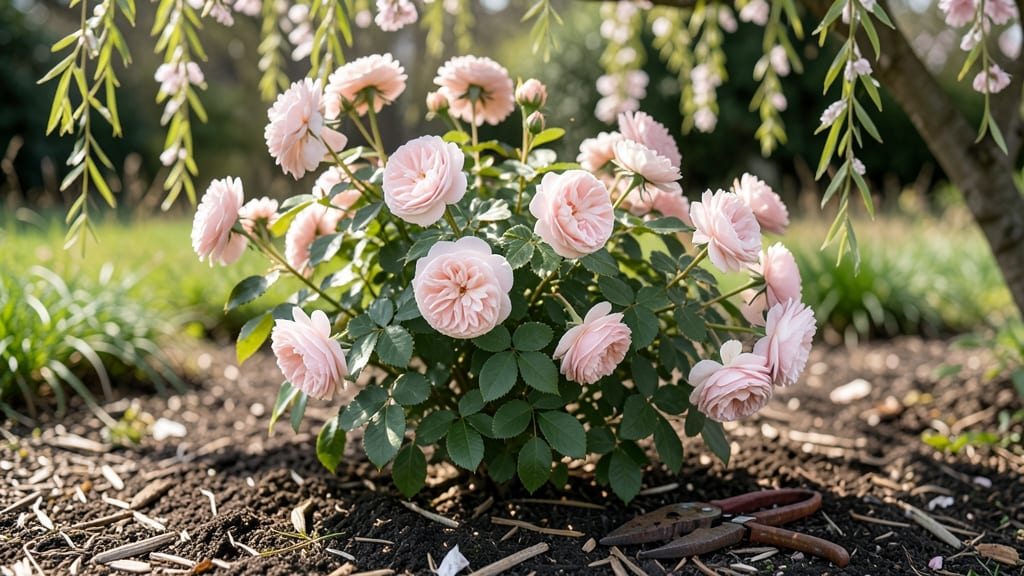
A touch of rose transforms any garden into a living love letter. 🌹 The secret isn’t just planting—it’s weaving roses into your design so they become the heart of your outdoor space, not just another shrub.
Their velvety petals and intoxicating scent create a romantic atmosphere that lasts from spring through fall.
Start by choosing roses that match your garden’s vibe: delicate climbers for cottage charm, bold floribundas for modern drama, or fragrant teas for classic elegance. Pair them with complementary plants like lavender for texture or hydrangeas for color contrast.
The key is balance—place roses where they’ll get morning sun but afternoon shade to protect their petals.
You’ll end up with a garden that feels like a curated masterpiece, where every stroll past the roses fills the air with their signature perfume. The blooms will draw in pollinators, add seasonal interest, and create a focal point that makes your outdoor space unforgettable.
Works for small balconies, sprawling backyards, or even container gardens—just adjust the scale. Here’s how to make roses the star of your design without overwhelming the rest of your plants.
📚 In This Guide
- What you need
- Instructions
- Tips and common mistakes
- Wrapping up and next steps
What you need
- ● 1 large bunch of rose petals (organic, pesticide-free, 100-150 petals—choose dark pink or deep red for richer flavor)
- ● 1 cup white vinegar (raw, unfiltered apple cider or white vinegar—no synthetic additives)
- ● Zest of 1 organic lemon (or lime/orange for variation)
- ● 1 tbsp raw honey (or agave syrup for vegan option)
- ● 1 small jar with airtight lid (glass, 16-24 oz capacity)
- ● Chef’s knife & cutting board (for zesting)
- ● Fine-mesh strainer or cheesecloth (to filter petals later)
- ● Tweezers (for removing stems/thorns from petals)
- ○ Optional: 1 cinnamon stick or vanilla bean (for warmth)
- ● Pinch of sea salt (enhances depth)
- ● Dried lavender buds (1 tsp, for complexity)
Step-by-step instructions for growing a rose shrub for floral infusions
Ready to grow your own rose shrub for homemade floral vinegar? Here's how to nurture healthy blooms that'll perfume your kitchen.
🌱 Step 1: Select and Plant a Fragrant Rose Variety
Choose a disease-resistant rose shrub with strong floral scent, like 'Iceberg' or 'Knock Out' roses. These varieties produce abundant blooms perfect for infusions. Plant in full sun (at least 6 hours daily) with well-draining soil—roses hate soggy roots. Dig a hole twice as wide as the root ball but only as deep.
Place the shrub in the hole, spreading roots gently outward. Fill with soil, pressing lightly to remove air pockets. Water deeply immediately after planting—this helps settle the soil and removes any air gaps around roots. Mulch with 2-3 inches of organic mulch (like wood chips) to retain moisture and regulate soil temperature.
☀️ Step 2: Provide Optimal Growing Conditions
Roses thrive in well-draining soil with a pH between 6.0 and 6.5. Amend heavy clay soil with compost to improve drainage. Water at the base of the plant (not overhead) to prevent fungal diseases. Aim for 1-1.5 inches of water per week, adjusting for rainfall—roses need consistent moisture but hate wet feet.
Fertilize in early spring with a balanced rose fertilizer (10-10-10 ratio). Follow package instructions for dosage—over-fertilizing leads to weak blooms. Prune lightly in late winter to remove dead wood and shape the shrub. This encourages stronger growth and more abundant flowers for your infusions.
🌿 Step 3: Harvest Blooms at Peak Perfume
Pick roses in the early morning when their scent is strongest. Choose fully open blooms—they'll release the most fragrance. Avoid using sprays or pesticides on the flowers, as these can taint your vinegar. Gently twist the stem to detach the bloom without damaging the plant.
Use only organic roses for infusions. Conventionally grown roses may contain residues that affect flavor. Store harvested blooms in a paper bag in the refrigerator for up to 3 days to preserve their scent. For best results, process them immediately after picking—fresh petals yield the richest infusion.
✂️ Step 4: Maintain the Shrub for Continuous Blooms
After harvesting, trim back any leggy growth to encourage bushier, more productive blooms. Roses often produce a second flush of flowers in late summer—this is your chance for another infusion batch. Deadhead spent blooms regularly to redirect the plant's energy into new growth.
Watch for aphids or black spot fungus—common rose pests. Treat organically with neem oil or copper fungicide if needed. A healthy shrub will reward you with months of fragrant blooms, perfect for your homemade floral vinegar. With proper care, your rose shrub can produce enough flowers for multiple infusions each season.
Tips & tricks for perfect floral-infused vinegar
Here's what nobody tells you about growing roses that'll truly perfume your homemade vinegar.
Selection Tip: When choosing your rose variety, prioritize 'Iceberg' or 'Knock Out' roses—they're not just beautiful, they're powerhouses of fragrance. Look for blooms with a strong, sweet scent when you sniff them at the nursery. The more intense the aroma in the petals, the richer your infusion will be. I learned this the hard way after planting a lovely but faintly scented variety that barely perfumed my vinegar.
Planting Precision: The 6 hours of daily sun requirement is non-negotiable for strong blooms. If your garden gets less than that, consider a container planting near a sunny wall. When planting, don't bury the root ball too deep—just level with the surrounding soil. I've seen people plant too deep, which can cause root rot and stunted growth. Also, that 2-3 inches of organic mulch isn't just decoration—it's crucial for keeping roots cool and moist.
Harvesting Hack: Early morning is truly the best time to pick your roses for infusion. The petals are most hydrated and fragrant right after dew evaporates. I've found that picking just as the sun begins to warm the blooms (around 8-9am) gives the richest flavor. Store them in a paper bag in the fridge—plastic bags trap moisture and can cause the petals to wilt faster. Remember, fresh is always best, but if you must store them, the fridge preserves that floral punch for up to 3 days.
Maintenance Secret: Deadheading spent blooms isn't just about looks—it's a productivity hack. By removing faded flowers, you're telling the plant to focus its energy on producing new blooms instead of seed development. I've seen rose bushes go from sporadic bloomers to continuous flower producers just by making this simple habit. And that late winter pruning? It's not about making the plant look nice—it's about encouraging strong new growth that'll bear more fragrant blooms for your next infusion batch.
Pro Tips for A Touch Of Rose
- Here's what nobody tells you about growing roses that'll truly perfume your homemade vinegar.
- Selection Tip: When choosing your rose variety, prioritize 'Iceberg' or 'Knock Out' roses—they're not just beautiful, they're powerhouses of fragrance.
- Planting Precision: The 6 hours of daily sun requirement is non-negotiable for strong blooms.
Frequently asked questions
Got questions about crafting your own A Touch of Rose shrub? We’ve got answers!
Here are some of the most common queries to help you nail this floral-citrus masterpiece at home.
What’s the best time of year to make this shrub?
The ideal time is late spring or early summer when roses are in peak bloom and citrus fruits (like lemons or oranges) are fresh and abundant. This ensures the strongest floral and citrus flavors. If you’re using dried roses, they’ll work year-round, but fresh is always better!
How long does it take to infuse the flavors?
For optimal flavor, let your shrub steep for 4–6 weeks. Shake the bottle gently every few days to help distribute the aromatics. If you’re short on time, 3 weeks will still yield a pleasant result, though the depth of flavor may be slightly muted.
Can I use other citrus fruits besides lemons or oranges?
Limes, grapefruits, and even bergamot (if you can find it) work beautifully. Just adjust the quantity—use about ½ cup of juice per bottle, regardless of the citrus type. Experiment to find your favorite balance of tartness and sweetness!
What can I do if my shrub smells off or tastes bitter?
If your shrub develops an unpleasant odor or bitter taste, it may have over-infused or been exposed to heat. Strain out the solids immediately and dilute the liquid with equal parts fresh apple cider vinegar to dilute the intensity. For a fresh start, reduce the infusion time next batch to 2–3 weeks.
How should I store my finished shrub?
Keep your shrub in a cool, dark place (like a pantry) in a tightly sealed glass bottle. It’ll stay fresh for 6–12 months, though the flavor may mellow over time. If you notice cloudiness or a sour smell, it’s time to toss it and start fresh!
Wrapping up and next steps
Embrace the simple elegance of a touch of rose in your kitchen—this floral-infused vinegar isn’t just a trend, it’s a versatile tool for elevating flavors with minimal effort.
Whether you’re drizzling it over salads, brightening cocktails, or adding depth to marinades, the magic lies in its harmony of citrus and rose, ready to inspire creativity in every dish. 🌹✨
Now that you’re armed with knowledge, grab a bottle and start experimenting! Try swapping it into your favorite recipes this week—your taste buds (and Instagram feed) will thank you. What will you create first?