
Orchid Care
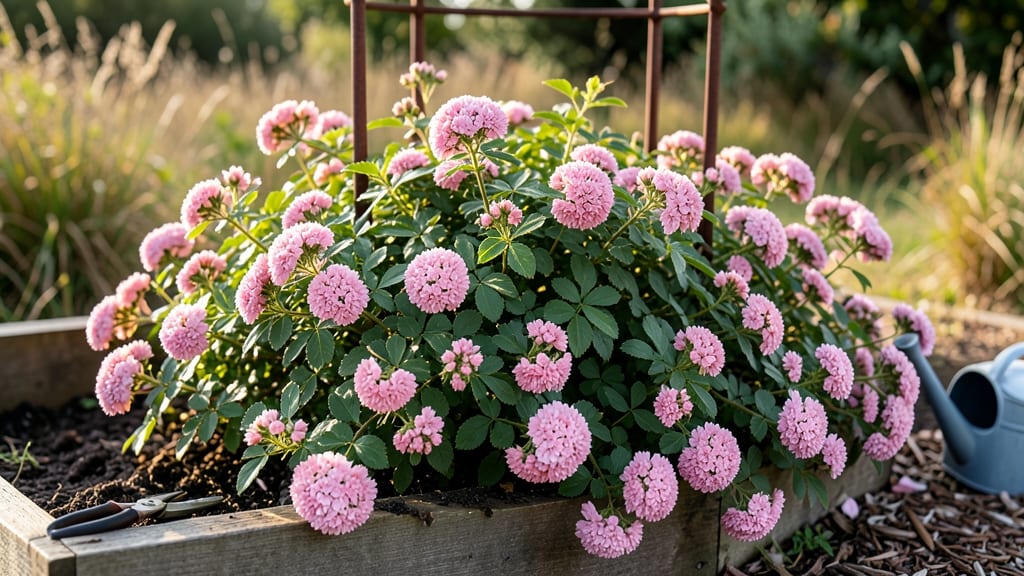
Growing a thriving moss rose 🌸 in sun or shade is all about understanding its light love language—and yes, it’s pickier than you think.
Struggling to keep your moss rose blooming year-round? The battle between sun and shade might be the secret to transforming your struggling plant into a vibrant, flower-filled beauty.
Here’s the deal: these sun-loving annuals (yes, they’re technically not roses!) crave bright light for bold blooms, but too much scorching heat can fry their delicate petals. Meanwhile, too little light turns them into leggy, sparse stems that barely bud.
I’ve seen both extremes—and the good news is, you can train your moss rose to thrive in either spot with a few simple tweaks.
In this guide, I’ll break down the exact light needs for sun vs. shade, how to spot when your plant is begging for more (or less) light, and the seasonal shifts that keep your moss rose flowering from spring through fall. No more guesswork—just happy, blooming plants.
 Best Window Placement
Moss rose sun requirements: how much light for optimal blooms?
Moss roses (Portulaca grandiflora) thrive when given the right balance of sunlight, but getting it wrong can mean sparse blooms or leggy growth. These succulent plants love full sun for maximum flowering, but some varieties handle partial shade better.
Understanding your moss rose's specific needs is key to keeping those vibrant blooms coming all season.
Most moss rose varieties need 6 to 8 hours of direct sunlight daily to produce their best flowers. However, in hot climates, afternoon shade can prevent scorching while still maintaining strong blooms.
The trick is finding that sweet spot where your plant gets enough light to flower but stays protected from extreme heat or intense afternoon rays.
Comparison of Moss Rose Sunlight Needs by Variety
If your moss rose isn't blooming as expected, check for under-exposure signs like long, thin stems with few buds. This is your plant's way of reaching for more light. On the flip side, over-exposure shows as crispy edges on leaves or faded flowers.
The key is observing your plant's response and adjusting gradually—don't move it from full sun to deep shade overnight!
Seasonal adjustments are crucial. In spring and fall, moss roses can handle more direct sunlight as temperatures moderate. But during peak summer months, especially in zones 8 and above, afternoon shade becomes essential.
Try placing your plants where they get morning sun and afternoon dappled light—this mimics their natural desert habitat while preventing heat stress.
For container-grown moss roses, rotate your pots every few weeks to ensure even light exposure. This prevents one side from becoming leggy while the other stays compact. A 360-degree rotation every 7-10 days keeps your plant balanced and encourages uniform blooming all around.
Watch for color changes in your moss rose's foliage. Healthy green leaves mean you're in the sweet spot, while yellowing suggests too much shade or overwatering. Purple-tinged leaves often indicate heat stress from too much direct sun. These visual cues help you fine-tune your plant's light environment without guesswork.
Pro tip: Use a light meter app to track your garden's sunlight hours. Most free apps will tell you exactly how many hours of direct, partial, and full shade your space receives. This data lets you place your moss roses with precision, maximizing their blooming potential year after year.
Remember, moss roses are drought-tolerant once established, but their flowering depends heavily on light. If you're in a high-shade area, choose varieties like 'Pastel Mix' or 'Black Velvet' that tolerate less sun.
For sunny spots, go for 'Sparkler' or 'Sunset' series—they'll reward you with nonstop color from early summer through fall.
With the right sunlight balance, your moss roses will become the star of your garden, blooming profusely with minimal care. Start by matching your variety to your space, then adjust as you observe how your plants respond—your moss roses will thank you with vibrant, long-lasting flowers!
Shade adaptations for moss roses: when and how to protect them
Moss roses (Portulaca grandiflora) thrive in full sun, but partial shade can be a lifesaver in hot climates or urban gardens with intense afternoon heat. When temperatures soar above 90°F (32°C), providing 2-4 hours of shade helps prevent leaf scorch and wilting.
I’ve seen my moss roses recover beautifully after moving them to dappled shade during peak summer heat.
Urban gardeners often face concrete heat and limited airflow, making shade a game-changer. Even mixed-light conditions—like morning sun and afternoon shade—can extend blooming seasons by reducing stress. The key is gradual adaptation to avoid shocking your plants with sudden changes.
Moss roses hate abrupt shade changes. Moving them from full sun to deep shade too quickly causes leggy growth and fewer blooms. Always acclimate plants over 7-10 days by gradually increasing shade with shade cloth or lightweight fabric. Start with 50% shade and adjust weekly.
To transition moss roses to shade, I recommend using lightweight shade cloth (30-50% blockage) or natural shade providers like tall grasses or small trees. Avoid dense shade from buildings or thick canopies, as this can reduce flowering dramatically. Instead, opt for filtered light that mimics dappled sunlight under trees.
Pairing moss roses with companion plants is another smart strategy. Lantana, sweet potato vine, or coleus can provide natural shade while adding color to your garden.
These plants also attract pollinators, boosting your moss rose’s bloom production. Just ensure companions have similar water needs to avoid competition.
Watch for signs of stress like yellowing leaves or stretched stems, which indicate your moss rose needs more light. Conversely, dark green leaves with few blooms suggest it’s getting too much shade.
Adjusting shade cloth or repositioning plants can restore balance quickly. In containers, rotate pots weekly to ensure even light exposure.
For container-grown moss roses, use reflective surfaces like white pots or mirror panels to bounce extra light onto shaded areas. This trick works wonders in balcony gardens where space is limited.
Remember, morning sun is gentler than afternoon heat, so positioning containers to catch east-facing light can maximize bloom potential.
With the right shade adaptations, your moss roses can thrive year-round, even in challenging conditions. The secret lies in observation and gradual changes