
Advice
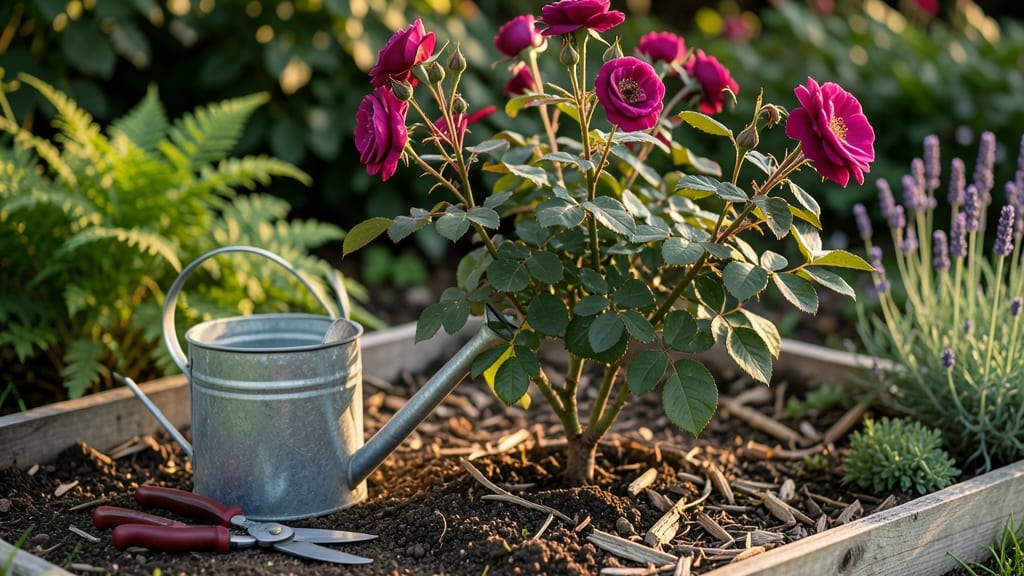
Maintaining rose bushes successfully comes down to three core practices: strategic pruning to encourage airflow and blooms, deep but infrequent watering to build root strength, and proactive pest monitoring to prevent infestations. 🌹 I've found that most problems—like black spots or weak stems—stem from skipping these basics rather than any inherent difficulty.
The good news? Many modern rose varieties are bred for resilience, cutting your workload in half while still delivering stunning results.
What separates thriving roses from struggling ones is often timing. For example, pruning at the wrong season can shock the plant, while inconsistent watering leads to root stress. I recommend investing in a moisture meter and setting reminders for seasonal tasks—these small habits make all the difference.
The payoff? Roses that bloom prolifically with far less daily effort than you might expect.
💡 In This Article
- Understanding Rose Bush Care Requirements
- Low-Maintenance Rose Varieties for Beginners
Understanding rose bush care requirements
The science behind rose bush maintenance starts with their natural growth cycles and physiological needs. Roses are deciduous perennials, meaning they go dormant in winter and regrow each spring. This cycle explains why late winter pruning (just before buds swell) is ideal—it removes dead wood while preserving energy stores.
Without this timing, you risk shocking the plant or encouraging disease by leaving vulnerable cuts exposed to moisture.
Watering is another critical factor, as roses need 1-2 inches of water weekly, but their roots prefer deep hydration over frequent shallow watering.
Shallow watering encourages weak roots that sprawl near the surface, making them prone to drought stress. 💧 The ideal soil pH for roses is 6.0-6.5, which supports nutrient uptake—especially phosphorus and potassium, essential for blooming.
Testing your soil with a simple kit can reveal if amendments like lime (to raise pH) or sulfur (to lower it) are needed.
Sunlight exposure directly impacts bloom production and disease resistance. Most roses thrive in full sun (6-8 hours daily), but varieties like 'David Austin' English roses tolerate partial shade. In hot climates, afternoon shade prevents leaf scorch.
What many gardeners overlook is that overcrowding reduces airflow, creating humidity pockets that invite fungal diseases like black spot. Spacing bushes 3-4 feet apart is non-negotiable for long-term health.
Seasonal growth cycles also dictate care routines. Early spring focuses on fertilization (high-nitrogen for foliage growth), while summer shifts to bloom-boosting feeds (high-phosphorus).
Fall is about preparing for dormancy—cutting back spent blooms and applying mulch to insulate roots. 🌿 Skipping these seasonal adjustments often leads to weak stems or poor flowering, as the plant struggles to balance energy demands.
Pest control ties directly to plant stress levels. Healthy roses naturally repel many pests, but stressed plants attract aphids, spider mites, or Japanese beetles. The key is proactive monitoring: inspect leaves weekly and address issues early with neem oil or insecticidal soap.
Organic options work best because they don't disrupt the plant's natural defenses, unlike chemical pesticides that can burn foliage or attract pests.
Common maintenance mistakes often stem from misconceptions. For example, many gardeners over-prune, thinking more cuts mean more blooms—when in fact, aggressive cuts remove too much foliage, reducing the plant's ability to photosynthesize.
Similarly, watering at night encourages fungal growth, while morning watering gives foliage time to dry. These small adjustments transform roses from high-maintenance divas to resilient garden stars.
What separates thriving roses from struggling ones is often attention to these foundational needs. With the right balance of sunlight, water, and seasonal care, even novice gardeners can enjoy months-long blooming seasons with minimal daily effort. 🌸 The secret isn't complexity—it's consistency.