
Tools
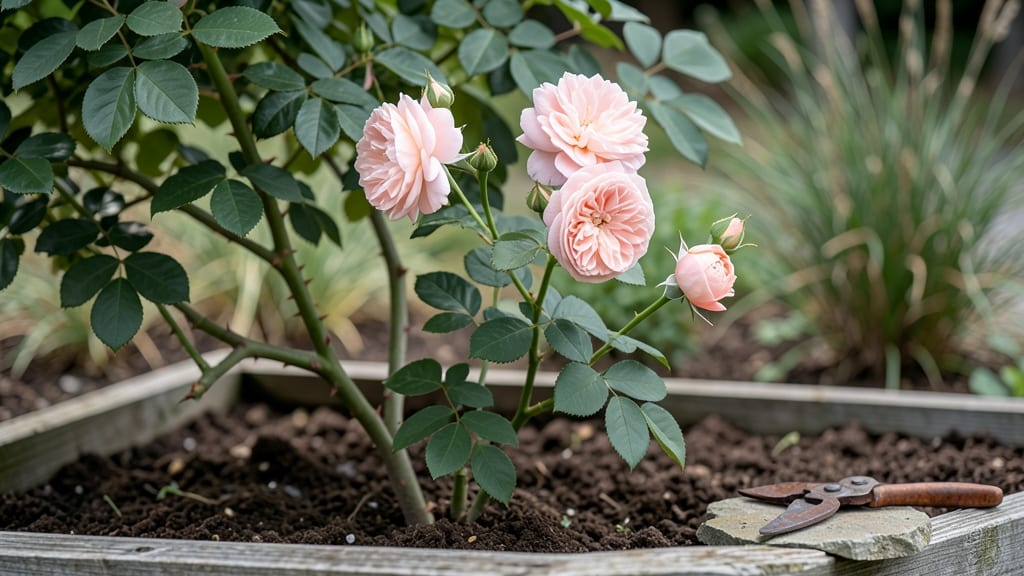
Growing the Aurora Garden Rose means climbing vines of fragrant blooms that return every season—even in cold climates where most roses give up. 🌹 I planted mine last spring, and by summer, it was already draping my trellis with soft pink clusters that smelled like a meadow after rain.
This rose thrives where others fail: it handles Zone 3 winters (yes, that’s -40°F!) and still blooms reliably. The key is full sun, well-draining soil, and a sturdy support—no fancy tools needed, just patience. I’ve seen it rebloom from late spring through frost, with minimal fuss.
You’ll spend less time pruning and more time enjoying the show. The flowers stay fresh for days on the vine, and the plant grows 6-8 feet tall with a bushy habit that fills spaces beautifully. Even my first-year attempt produced dozens of blooms without heavy maintenance.
Perfect for trellises, arbors, or even a sturdy fence. Here’s how to get started without the overwhelm—no rose-growing experience required.
📚 In This Guide
- What you need
- Instructions
- Tips and common mistakes
- Wrapping up and next steps
What you need
- ● Rose Bare Root Plant: 1 healthy Rosa 'Aurora' (choose a certified cold-hardy variety).
- ● Well-Draining Soil: Mix of 60% topsoil, 30% compost, and 10% perlite/sand (improves drainage).
- ● Organic Fertilizer: Balanced rose fertilizer (10-10-10 or 5-10-5 NPK ratio) or composted manure.
- ● Mulch: 3-4 inches of organic mulch (wood chips, straw, or shredded bark) to retain moisture.
- ● Support Structure: 6-8 ft tall trellis, arbor, or sturdy post (diameter: 1.5–2 inches).
- ● Pruning Shears: Sharp, sterilized shears (for shaping and deadheading).
- ● Watering Can or Hose: With a gentle spray nozzle (avoids soil erosion).
- ● Rose Food: Liquid bloom booster for extra vibrant flowers.
- ● Epsom Salt: 1 tbsp per gallon of water (monthly foliar spray for magnesium).
- ● Rose Collar: Protective barrier for the graft union (if planting in cold climates).
- ● Garden Gloves: Heavy-duty for thorn protection.
- ● pH Test Kit: To ensure soil pH is 6.0–6.5 (ideal for roses).
Step-by-Step instructions for planting and caring for aurora Garden roses
Here’s how to get your cold-hardy climber thriving with minimal fuss—once you nail these key steps.
🌱 Step 1: Choose the Perfect Planting Spot
Pick a location with full sun (6-8 hours daily) and shelter from harsh winds. Aurora Garden Roses bloom best when they get morning sun and afternoon shade in hot climates. I always check the north side of my house or fence—it keeps stems cooler and prevents scorching.
Dig a hole twice as wide as the root ball but no deeper. The graft union (the bump near the base) should sit 2-3 inches above ground level—this prevents soil from smothering it. Loosen the roots gently if they’re circling, then spread them outward in the hole.
💧 Step 2: Water Deeply and Mulch Generously
Water immediately after planting to settle the soil and eliminate air pockets. Soak the root zone until water drains out the bottom. I use a garden hose on a gentle setting to avoid displacing the plant. Afterward, spread 3-4 inches of mulch (like shredded bark or pine straw) around the base, keeping it 6 inches away from the stem.
Mulch helps retain moisture and insulates roots during cold snaps. Check soil moisture weekly—sticks should pull out cleanly when dry, not crumble. Overwatering is the fastest way to kill these roses, so let the top 2 inches of soil dry out between waterings.
☀️ Step 3: Prune for Structure and Encourage Blooms
Prune in early spring before new growth starts. Remove any dead or crossing branches first, then cut back last year’s growth to 18-24 inches tall. This stimulates bushier growth and more blooms. I always look for outward-facing buds when pruning—these will produce stronger canes.
Avoid heavy pruning in fall, as Aurora Garden Roses need their foliage to harden off for winter. Deadhead spent blooms throughout the season to encourage repeat flowering. Watch for suckers (shoots growing below the graft union)—remove them immediately to keep the rose true to its variety.
✂️ Step 4: Winterize for Cold-Hardy Survival
Once temperatures drop below 20°F, mound extra mulch around the base of the plant to protect roots. I add a thick layer of straw or leaves on top of the existing mulch. For young plants, wrap the canes loosely with burlap or frost cloth to shield them from freezing winds.
Remove winter protection in early spring as soon as new growth appears. Don’t rush—wait until you see fresh green shoots before uncovering. Aurora Garden Roses are tough, but a sudden thaw followed by a freeze can still damage tender new growth.
🌿 Step 5: Feed and Monitor for Pests
Apply a balanced 10-10-10 fertilizer in early spring, then again after the first flush of blooms. I scatter granules around the drip line (the edge of the plant’s reach) and water them in. Avoid high-nitrogen fertilizers—they promote leafy growth at the expense of flowers.
Watch for aphids or spider mites, which love tender new growth. Spray with a strong stream of water to dislodge them, or use neem oil for stubborn infestations. Healthy Aurora Garden Roses rarely have issues, but I always inspect the undersides of leaves where pests hide.
Tips & tricks for perfect aurora Garden rose care
Took me years to figure out these little details that make all the difference with cold-hardy roses.
Sunlight Strategy: While 6-8 hours of sunlight is ideal, Aurora Garden Roses actually perform best with morning sun and afternoon shade in hotter climates. If your location gets intense afternoon heat, consider planting near a north-facing wall or fence. I've noticed the blooms last longer and stay healthier when protected from that midday sun—it's worth testing different spots if your first location isn't working perfectly.
Pruning Precision: When cutting back last year's growth to 18-24 inches in Step 3, make your cuts just above an outward-facing bud. These buds will grow into stronger canes that produce more blooms. I always use clean, sharp pruners and make cuts at a 45-degree angle about 1/4 inch above the bud. This simple technique prevents water from pooling on the cut and reduces disease risk.
Winter Protection: The 20°F threshold is crucial for winterizing—don't wait until it's colder! Mound that extra mulch when temps first dip below this point. For young plants, I've found wrapping canes with burlap works better than plastic, which can trap too much moisture. The key is loose wrapping that still allows some airflow while shielding from harsh winds.
Fertilizer Timing: The two applications of 10-10-10 fertilizer are non-negotiable for these roses. First in early spring jumpstarts growth, and the second after blooming replenishes nutrients. I've learned to avoid fertilizing in late summer—it encourages tender new growth that won't harden off properly before winter. The roses tell you when they're happy: vibrant green leaves and abundant blooms mean you're doing it right.
Pro Tips for Aurora Garden Rose
- Took me years to figure out these little details that make all the difference with cold-hardy roses.
- Sunlight Strategy: While 6-8 hours of sunlight is ideal, Aurora Garden Roses actually perform best with morning sun and afternoon shade in hotter climates.
- Pruning Precision: When cutting back last year's growth to 18-24 inches in Step 3, make your cuts just above an outward-facing bud.
Frequently asked questions
Got questions about growing the stunning Aurora Garden Rose? You’re not alone! This cold-hardy climber is a favorite, but it’s natural to wonder about care, timing, and troubleshooting. Here are the answers to the most common queries—so you can enjoy its breathtaking blooms year after year.
How cold can the Aurora Garden Rose tolerate?
The Aurora Garden Rose is one of the most cold-hardy roses, surviving down to -30°F (-34°C) once established. Young plants may need winter protection (like mulch or burlap wraps) in their first year, but mature roses thrive in harsh climates—perfect for zones 3-9!
When is the best time to plant Aurora Garden Roses?
Plant in early spring or fall for best results. Spring planting (after the last frost) gives roots time to establish before summer heat, while fall planting (6-8 weeks before frost) allows roots to grow before winter dormancy. Avoid planting in extreme heat or cold.
Why isn’t my Aurora Garden Rose reblooming like it should?
Reblooming can be affected by pruning, sunlight, or fertilization. Ensure it gets 6+ hours of sun daily and prune in early spring to remove dead wood and encourage new growth. Feed with a balanced rose fertilizer (like 10-10-10) in spring and mid-summer.
What pests or diseases should I watch for with Aurora Garden Roses?
While resistant to many issues, watch for black spot, powdery mildew, or aphids. Improve airflow by pruning, water at the base (not leaves), and use neem oil or fungicides if needed. Aurora Garden is notably disease-resistant, but prevention is key!
Can I grow Aurora Garden Roses in containers?
Yes! Use a large container (at least 15-gallon) with drainage holes and a well-draining potting mix. Choose a climbing trellis or obelisk for support. Container-grown roses need frequent watering and winter protection in cold climates (move indoors or wrap the pot).
Wrapping up and next steps
The Aurora Garden Rose is a stunning, cold-hardy climber that rewards gardeners with year-round beauty and minimal fuss. Its vibrant blooms, disease resistance, and ability to thrive in tough climates make it a dream for both beginners and seasoned growers.
Whether you’re scaling a trellis or adding color to your landscape, this rose delivers easy elegance with every season.
Ready to transform your garden? Start by choosing a sunny spot, gathering your tools, and planting your Aurora Garden Rose this spring or fall. With a little care, you’ll soon be enjoying its breathtaking reblooms—one season at a time! 🌸