
Shrubs
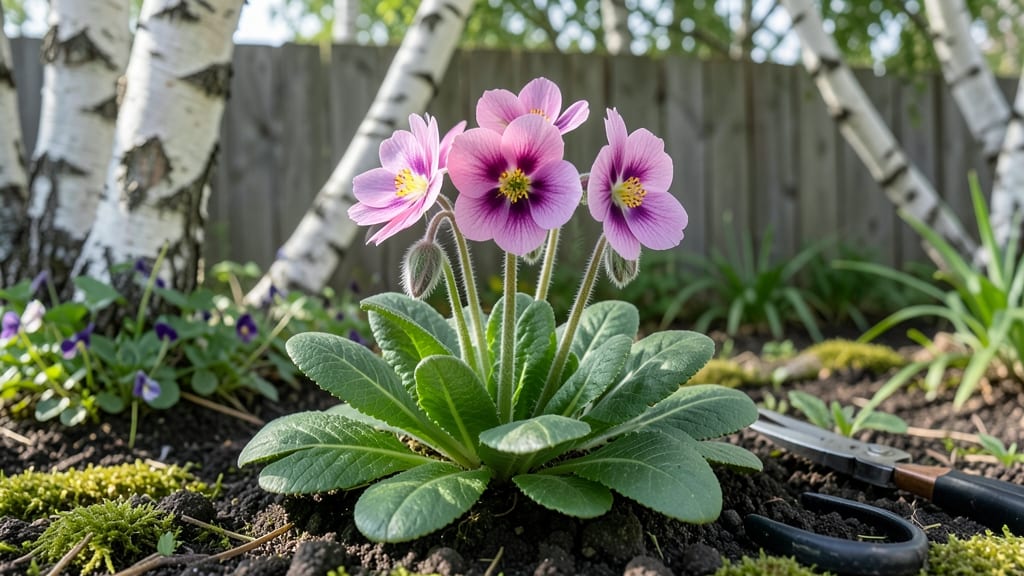
Choosing the right primrose varieties for your garden’s sun or shade conditions is the key to those cheerful 🌸 blooms you’ve been dreaming of.
Struggling to decide whether primroses thrive in sun or shade? The wrong light conditions can mean the difference between vibrant blooms and wilted disappointment—here’s how to choose the perfect primrose varieties for your garden’s sunlight.
Some primroses, like Primula denticulata, bask in full sun and still put on a show, while others, such as Primula vulgaris, prefer the gentle dappling of shade.
Understanding these preferences isn’t just about aesthetics—it’s about giving your plants the best chance to thrive in your specific climate and garden spot.
In this guide, you’ll discover the top primrose varieties for sun and shade, along with soil tips, watering schedules, and seasonal care to keep your garden bursting with color year after year.
 Best Window Placement
Sun-loving primrose varieties that bloom boldly in full light
If you’ve been told primroses only thrive in shade, think again! Many varieties crave sunlight and reward you with bold, long-lasting blooms. The key is choosing the right species and providing well-draining soil to prevent root rot in hotter conditions.
Let’s explore the top sun-loving primroses that will transform your garden into a vibrant spring spectacle.
For hotter climates, focus on primroses with thick, hairy leaves or waxy coatings. These adaptations help them retain moisture while basking in full sun. Varieties like Primula denticulata and Primula auricula are perennial powerhouses that thrive where others wilt.
Their secret? A mix of morning sun and afternoon shade prevents leaf scorch while maximizing bloom production.
Here’s how to match your garden’s sunlight to the perfect primrose:
| Variety | Sunlight Needs | Soil Type | Bloom Season | Height |
|---|---|---|---|---|
| Primula denticulata | Full sun to partial shade | Well-draining, slightly alkaline | Spring (March–May) | 6–12 inches |
| Primula auricula | Full sun (rock gardens) | Gritty, moist but well-drained | Late spring (April–June) | 4–8 inches |
| Primula veris (Cowslip) | Sun to partial shade | Rich, humus-rich soil | Early spring (Feb–April) | 6–12 inches |
| Primula pulverulenta | Full sun (drought-tolerant) | Alkaline, sandy soil | Spring (March–May) | 4–6 inches |
| Primula rosea | Sun to partial shade | Moist, well-drained | Spring (April–June) | 6–10 inches |
Primula denticulata, also called the candyleaf primrose, is a standout performer in sunny borders. Its fuzzy leaves and bright yellow flowers make it a magnet for pollinators. Plant it in groups of 5–7 for a dramatic display, and pair it with lavender or thyme to attract bees. This variety handles dry spells better than most primroses, making it ideal for xeric gardens.
For rock gardens or alpine beds, Primula auricula (the auricula primrose) is a must-have. Its woolly leaves and ruffled petals in shades of pink, yellow, or white thrive in full sun if the soil stays moist but not soggy.
Mulch with gravel to retain heat and prevent moisture loss. This primrose blooms later than others, offering color when spring is winding down.
If you love early spring blooms, Primula veris (the cowslip) is a classic choice. It tolerates sun to partial shade and spreads easily, creating naturalizing colonies.
For best results, plant it in clumps of 9–12 near woodland edges where it can enjoy dappled sunlight. Avoid heavy clay soils—amend with compost to improve drainage.
For drought-prone areas, Primula pulverulenta is a game-changer. This alkaline-loving primrose thrives in full sun with minimal watering once established. Its tiny pink flowers may be small, but they cover the plant in a sea of color from late winter into spring.
Pair it with sedum or sempervivum for a low-maintenance sunny border.
To keep sun-loving primroses blooming year after year, deadhead spent flowers and apply a layer of mulch in early spring. These plants appreciate consistent moisture but hate soggy roots, so water deeply once a week during dry spells.
In USDA Zones 5–8, most sun-loving primroses are perennial, but Primula auricula may need winter protection in colder regions.
Shade-tolerant primroses for woodland gardens and low-light spots
If your garden has woodland shadows or low-light spots, don’t despair—primroses thrive here! These shade-loving varieties bring vibrant blooms to areas where sun-loving plants struggle. I’ve selected the best Primula species that flourish in dappled shade to full shade, perfect for under trees or north-facing beds.
One of my top picks is Primula vulgaris, the classic English primrose with delicate flowers in pink, purple, or white. It loves moist, well-draining soil and humid conditions, making it ideal for woodland gardens.
Another standout is Primula japonica, with its large, showy blooms that open sequentially for weeks of color.
Shade-Tolerant Primroses: Pros and Cons
✅ Pros
- Thrives in low light—perfect for woodland gardens
- Long bloom time—weeks of vibrant flowers
- Low-maintenance—ideal for busy gardeners
- Attracts pollinators—supports bees and butterflies
❌ Cons
- Needs consistent moisture—drought-sensitive
- Can spread aggressively—may need division every 3-4 years
- Limited sun tolerance—avoid direct afternoon sun
- Susceptible to slugs—requires protective measures
Best for: woodland gardens, shady borders, and moisture-retentive soils.
For moisture retention, I recommend mulching with leaf mold or compost to keep roots cool and hydrated. Pair these primroses with hostas, ferns, or astilbes for a lush, layered look. In spring and fall, feed lightly with a balanced fertilizer (5-10-10) to encourage robust growth.
One common mistake is overwatering in shady spots, which can lead to root rot. Instead, water deeply but infrequently—aim for 1 inch per week during growing seasons. If your soil drains poorly, amend it with sand or perlite to improve aeration.
To maximize blooms, deadhead spent flowers regularly and divide clumps every 3-4 years to prevent overcrowding. In late summer, reduce watering to prepare plants for winter dormancy. With the right care, your shade-loving primroses will reward you with stunning displays year after year.
Ready to transform your shady garden corners? Start with Primula vulgaris or Primula japonica, and watch your woodland garden come alive with color and texture! 🌿