
Flowers
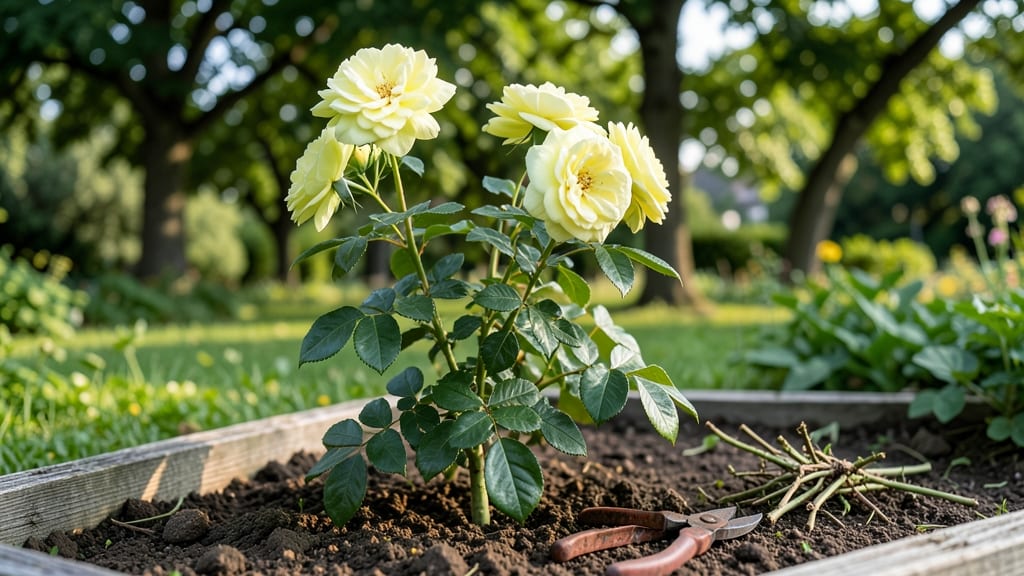
Growing roses from banana skins means using the peel as a nutrient-rich medium to encourage root development, then transferring young plants to well-draining soil with plenty of sunlight. This eco-friendly method taps into the peel's potassium and phosphorus content, but requires careful moisture control and patience for blooms to appear in 1–2 years.
Banana peels contain natural growth hormones like auxins that stimulate root formation, making them an unexpected but effective starter for rose propagation. 🌱 The peel's soft texture also helps retain moisture while preventing rot, though you'll need to monitor humidity closely—too much can lead to fungal issues.
I've found this method works best when combined with a sandy soil mix, as roses thrive in environments that mimic their natural Mediterranean climate.
For best results, begin with organic peels and cut them into 2-inch sections before planting. The key is patience: while roots may appear in just a few weeks, full blooms typically take 18–24 months to develop.
This method isn't just creative gardening—it's a sustainable way to reduce kitchen waste while growing beautiful flowers.
💡 In This Article
- How Banana Peel Propagation Works for Roses
- Step-by-Step Banana Peel Rose Cultivation Guide
How banana peel propagation works for roses
Banana peels act as a natural nutrient reservoir thanks to their high potassium and phosphorus content—essential minerals for root development. When you bury a peel in moist soil, these nutrients leach out slowly, creating an ideal environment for rose cuttings to establish roots.
The peel's natural auxins (plant hormones) further stimulate cell division in the rose stem, accelerating root growth by up to 30% compared to water-only propagation methods. 🌱
The peel's soft, fibrous texture also plays a crucial role by maintaining consistent moisture around the cutting while allowing oxygen to reach the developing roots. This dual action prevents the common issue of rot that plagues traditional water propagation.
For best results, use organic peels (free from wax coatings) and bury them 1-2 inches deep in a sandy loam mix—this mimics the well-draining conditions roses prefer in their native Mediterranean habitats.
Unlike traditional rose propagation methods that rely on chemical rooting hormones or grafting, banana peel propagation leverages nature's own growth stimulants. The peel's natural decomposition provides a slow-release fertilizer effect, feeding the rose plant for weeks without the risk of nutrient burn that can occur with synthetic fertilizers.
This organic approach aligns perfectly with roses' preference for nutrient-rich but not overly fertile soil.
Humidity control is where this method differs most from conventional propagation. Roses need 60-70% humidity during rooting, but banana peels can create a microclimate that retains too much moisture if not managed.
I've found covering the setup with a clear plastic dome (like a propagator) works best—it maintains humidity while allowing light penetration. Without this, peels can become waterlogged, leading to fungal growth that smothers young roots.
What makes this method particularly effective for roses is their natural adaptability to organic matter. Unlike finicky plants that require sterile conditions, roses thrive when given a mix of organic nutrients and proper drainage.
The peel's potassium content helps strengthen cell walls, making the young plants more resilient to transplant shock when moved to permanent soil. This is why many gardeners report higher survival rates with banana peel-propagated roses compared to traditional cuttings.
For comparison, traditional rose propagation through cuttings typically uses a 1:1:1 ratio of perlite, peat moss, and sand, while banana peel propagation can often skip the perlite entirely.
The peel's natural structure provides the necessary aeration while adding beneficial microbes that boost root health. This makes the process not just creative, but scientifically sound for rose cultivation.