
Pruning
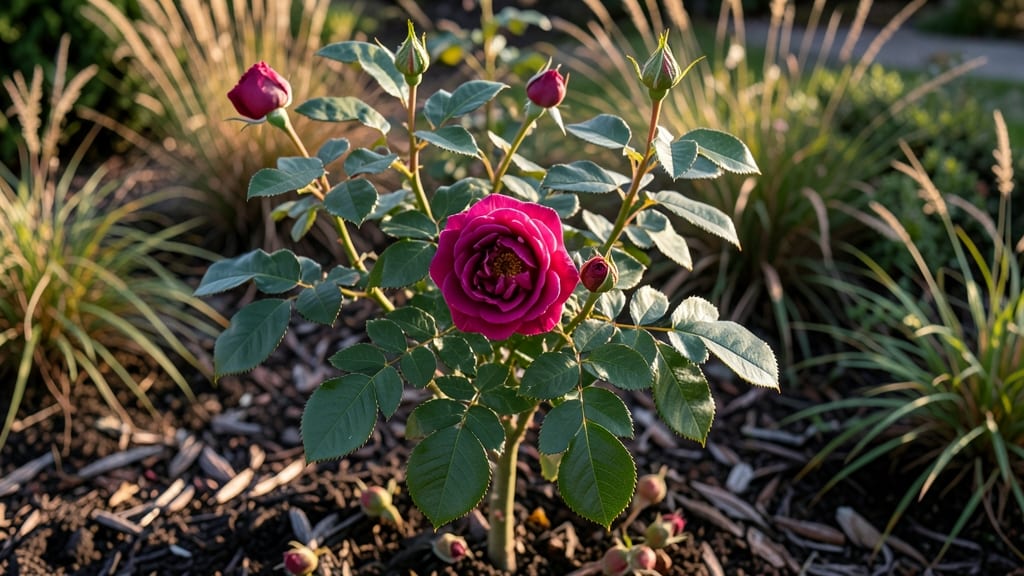
Growing roses isn't just about pretty blooms—it's about mastering the art of patience and precision. 🌹 I've learned that the difference between a rose bush that thrives and one that struggles often comes down to how you start it, whether from seed, cutting, or bare-root plant.
The secret isn't complicated, but it does require understanding their needs from the very first day in the ground.
The right soil, sunlight, and watering routine set the foundation, but it's pruning that truly unlocks their potential. Most gardeners skip this step or do it wrong, which is why roses often underperform.
With the right cuts at the right time, you'll encourage stronger stems, more blooms, and plants that stay healthy year after year—even in less-than-ideal conditions.
By the end of summer, you'll have roses that bloom continuously, their petals soft as silk and their fragrance filling the air. The key is consistency: regular pruning keeps them compact, healthy, and productive, while proper watering and sunlight ensure they never struggle.
It's not about luck—it's about knowing exactly what they need to shine.
Whether you're starting with a cutting from a neighbor's bush or buying bare-root plants, the principles stay the same. The first year is about establishing strong roots, and the years after are about refining your pruning skills.
Let's get those roses growing the right way from the start—no guesswork, just results.
📚 In This Guide
- What you need
- Instructions
- Tips and common mistakes
- Wrapping up and next steps
What you need
- ● Roses: Choose between bare-root (dormant, best for spring planting) or container-grown (ready to plant year-round). Opt for disease-resistant varieties like Knock Out® or David Austin® English roses.
- ● Well-draining soil: Roses thrive in loamy, slightly acidic soil (pH 6.0–6.5). Amend clay or sandy soil with 2–3 inches of compost or aged manure before planting.
- ● Organic matter: 1–2 cups of bone meal (for phosphorus, boosting root growth)
- ● 1 cup of Epsom salt (magnesium sulfate) (prevents yellowing leaves)
- ● Slow-release rose fertilizer (10-10-10 or 5-10-5 NPK ratio)
- ● Mulch: 2–3 inches of organic mulch (e.g., shredded bark, straw, or pine needles) to retain moisture and regulate soil temperature.
- ● Watering system: Drip irrigation or soaker hose (1–2 gallons per plant, 2–3 times weekly)
- ● Watering can with a rose or long spout (for targeted watering)
- ● Hand trowel or transplant spade (for digging holes 12–18 inches wide and deep)
- ● Pruning shears (sharp, bypass-style, sanitized with rubbing alcohol)
- ● Garden gloves (heavy-duty to protect from thorns)
- ● Staking system: 3–4 ft bamboo stakes or metal rose supports + soft garden twine (for climbing varieties)
- ● pH testing kit (to monitor soil acidity)
- ○ Fungicide (optional but recommended): Copper-based or neem oil spray (prevents black spot and powdery mildew)
- ○ Insecticide (optional): Horticultural oil or insecticidal soap (for aphids, Japanese beetles)
- ● Sunlight: 6–8 hours of full sun daily (partial shade in hot climates)
- ● Spacing: Bush roses: 2–4 feet apart
- ● Climbing roses: 4–6 feet apart
- ● Drainage: Avoid low-lying areas where water pools. Plant on a slight slope if needed.
- ● Season timing: Bare-root roses: Plant in early spring (before buds swell) or fall (6 weeks before first frost).
- ● Container-grown roses: Plant year-round in mild climates; avoid extreme heat or frost.
Step-by-step guide to growing roses for continuous blooms
Here's the straightforward method I use to keep roses flowering all season long—no guesswork, just proven techniques.
🌱 Step 1: Choose the Right Location and Soil
Roses thrive in full sun—at least 6 hours daily—so pick a spot where they get morning light and afternoon shade if your climate is hot. I always test soil drainage by digging a hole, filling it with water, and watching how fast it drains. If water pools after an hour, amend the soil with 2-3 inches of compost or sand to improve aeration.
Roses prefer slightly acidic to neutral soil (pH 6.0-6.5). Grab a soil test kit from your local garden center—it’s cheap and saves you from guessing. If your soil is too alkaline, mix in sulfur or peat moss to lower the pH gradually. Avoid heavy clay or waterlogged spots; roses hate soggy roots.
☀️ Step 2: Plant at the Right Time and Depth
Plant bare-root roses in early spring or fall, when temperatures are cool but the ground isn’t frozen. Soak the roots in lukewarm water for 1-2 hours before planting to rehydrate them. Dig a hole twice as wide as the root ball but only deep enough so the graft union (the bulge near the base) sits 2 inches below soil level. This prevents winter damage and encourages strong growth.
Place the rose in the hole, spread the roots outward gently, and backfill with soil while tamping it down lightly. Water deeply to settle the soil and eliminate air pockets. Mulch with 2-3 inches of organic mulch (like shredded bark) to retain moisture and suppress weeds. Keep the mulch 6 inches away from the stem to prevent rot.
✂️ Step 3: Prune for Health and Blooms
Prune new roses in early spring before new growth starts. Cut back one-third of the plant’s height, removing dead, diseased, or crossing branches first. Always make cuts at a 45-degree angle, ¼ inch above an outward-facing bud. This encourages airflow and directs growth outward, not inward.
For established roses, prune again after the first flush of blooms to promote a second round of flowers. Remove spent blooms regularly (called "deadheading") to redirect energy into new buds. I use clean, sharp pruners and disinfect them with rubbing alcohol between cuts to prevent spreading disease. Never leave stubs—always cut just above a bud or leaf node.
💧 Step 4: Water and Feed for Year-Round Blooms
Water deeply once a week, soaking the soil to 12 inches deep. You’ll know it’s enough when water runs out of the drainage holes. Roses are drought-tolerant once established, but consistent moisture prevents stress and wilting. Water in the early morning to reduce evaporation and fungal risks. Avoid wetting the leaves—use a soaker hose or drip irrigation to deliver water at the base.
Feed roses every 4-6 weeks during the growing season with a balanced rose fertilizer (like 10-10-10). I also mix in compost tea monthly for natural nutrients. Stop fertilizing 6-8 weeks before the first frost to let the plant harden off for winter. Over-fertilizing late in the season leads to tender new growth that won’t survive cold snaps.
⏰ Step 5: Protect and Prepare for Winter
In zones 5-7, mound 8-12 inches of soil or mulch around the base of the rose bush before the ground freezes. This insulates the roots and prevents heaving. Wrap the canes (stems) with burlap or rose cones and secure them with twine. Leave the top of the plant exposed—this prevents rot and allows for early spring growth.
In warmer climates (zones 8-10), roses may bloom year-round, but they still need care. Reduce watering in winter and fertilize lightly in early spring. Prune lightly in late winter to remove dead wood and shape the plant. Watch for pests like aphids or spider mites—spray with neem oil at the first sign of trouble. A healthy rose is resilient, but winter prep makes all the difference.
Tips & tricks for growing roses that bloom all season
Let me share the hard-won lessons that'll help your roses thrive and keep producing stunning blooms—no matter the season.
Sunlight Secret: Those 6 hours of sunlight are non-negotiable, but here's what I've learned: if you're in a hot climate, morning sun with afternoon shade actually protects the blooms from wilting. I've seen roses in full afternoon sun turn crispy by late afternoon—so that afternoon shade makes all the difference. Position your roses where they get the morning rays first, then gradual shade as the day heats up.
Planting Depth Matters: Getting that graft union exactly 2 inches below soil level is crucial—it's the plant's Achilles' heel. I've seen roses planted too deep develop weak growth, while those planted too shallow struggle in winter. Pro tip: mark the graft union with a waterproof pen before planting so you can see it clearly when backfilling. Also, don't compact the soil too tightly around the roots—just firm it enough to eliminate air pockets.
Pruning Precision: When you're making those 45-degree cuts ¼ inch above an outward-facing bud, here's what nobody tells you: the angle matters more than you think. A flat cut can lead to water pooling and rot. I use a small piece of tape on my pruners as a guide to maintain that perfect angle every time. And for established roses, I prune just above the first set of five leaves from the bud—this gives you the best balance of new growth and flower production.
Winter Protection Strategy: That 8-12 inches of soil or mulch around the base is your rose's winter blanket. I've found that adding a layer of straw over the mulch in really cold zones provides extra insulation. And here's a trick: if you're using burlap to wrap the canes, leave the top open like a cone—this prevents moisture buildup that can cause rot while still protecting from freezing winds.
Pro Tips for How Are Roses Grown
- Let me share the hard-won lessons that'll help your roses thrive and keep producing stunning blooms—no matter the season.
- Sunlight Secret: Those 6 hours of sunlight are non-negotiable, but here's what I've learned: if you're in a hot climate, morning sun with afternoon shade actually protects the blooms from wilting.
- Planting Depth Matters: Getting that graft union exactly 2 inches below soil level is crucial—it's the plant's Achilles' heel.
Frequently asked questions
Got questions about growing roses like a pro? Here are some of the most common ones—and their answers—to help you cultivate stunning blooms year-round!
How long does it take for roses to grow from seed?
Growing roses from seed can take 2–3 years to reach maturity and bloom. Hybrid roses (like those from cuttings) are faster—often blooming in 1–2 years. Patience is key, but grafted roses (bought at nurseries) may flower sooner, sometimes within a single season!
When is the best time to plant roses?
The ideal times are early spring (after the last frost) or fall (6–8 weeks before the first frost). Planting in fall gives roots time to establish before winter, while spring planting ensures a head start for summer blooms. Avoid planting in extreme heat or cold!
Can roses grow in pots, or do they need a garden bed?
Roses thrive in pots if you choose dwarf or miniature varieties and use well-draining soil. Ensure the container is at least 12–18 inches deep and has drainage holes. Move pots to a sunny spot and water regularly—container roses need more frequent care than in-ground plants.
Why are my rose leaves turning yellow, and how do I fix it?
Yellow leaves often signal overwatering, nutrient deficiency, or pests. Check soil moisture (roses hate soggy roots!) and fertilize with a balanced rose food every 4–6 weeks. Inspect for aphids or spider mites—spray with neem oil or insecticidal soap if needed. Prune affected leaves to encourage new growth.
Do I need to prune roses in winter, or can I wait until spring?
Light pruning in late winter (just before new growth starts) helps remove dead wood and shapes the plant. However, major pruning is best done in early spring (just as buds swell). Avoid heavy cuts in fall—they leave plants vulnerable to cold. Always sterilize tools to prevent disease!
Wrapping up and next steps
Growing roses is a rewarding journey that blends patience, care, and a little creativity—whether you’re nurturing a single stem or a full garden. With the right soil, pruning techniques, and seasonal attention, you can enjoy year-round blooms that brighten any space.
Now that you’re armed with the secrets to healthy growth, why not take the next step?
- 🌱 Start small: Try propagating a cutting or planting a single rose to practice your skills.
- 📅 Plan ahead: Mark your calendar for pruning seasons and soil prep to stay on track.
- 💐 Experiment: Mix varieties, colors, or even grow roses in containers for a unique touch!
Every gardener’s hands can shape beauty—yours are next! 🌹