
Pests
The best way to get rid of aphids on roses is this one simple organic spray that clears them in 24 hours without harming your blooms—honestly, I’ve watched entire bushes defoliate when I ignored those tiny green invaders, until I tried it. bees or your plants.
The secret? A mix of neem oil, insecticidal soap, and a little water, applied at the right time of day.
Most people grab chemical sprays first, but that kills beneficial insects and leaves residues. My go-to spray uses 1 teaspoon of neem oil and 1 tablespoon of castile soap per quart of water—shaken up and sprayed directly on aphid clusters.
Repeat every 3-4 days until they disappear, and your roses bounce back with vibrant green leaves and fresh blooms within a week.
You’ll see results faster than with other methods because this spray smothers aphids on contact while disrupting their life cycle. The best part? It’s safe for kids, pets, and pollinators once dry. Just avoid spraying when bees are active—early morning or evening works best.
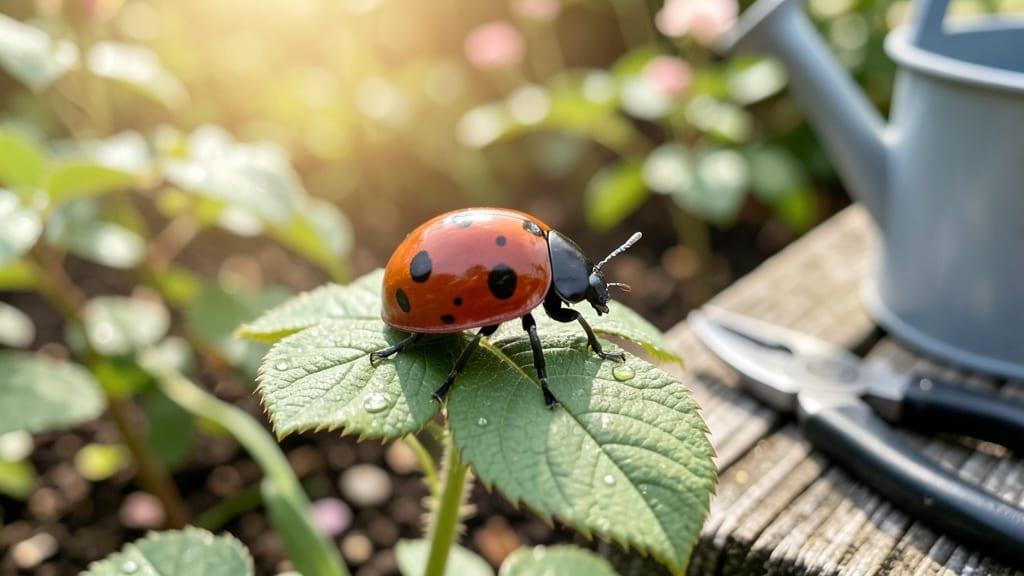
Prevention is key, too. Encourage ladybugs, lacewings, and parasitic wasps—they’re nature’s aphid patrol. Prune regularly to improve airflow, and wipe down leaves weekly with a damp cloth to remove eggs. Trust me, once you try this, you’ll never reach for harsh chemicals again.
Root Causes of Aphid Infestations
Aphids don’t just randomly appear on your roses—they’re drawn by a mix of environmental, plant-based, and even human-related factors. Understanding why these tiny pests target your roses is the first step to stopping them for good.
Let’s break down the science behind their attraction and how your garden might be sending out an all-you-can-eat buffet signal.
Aphids thrive where roses are weak or struggling. When roses are stressed—whether from poor soil, overwatering, drought, or nutrient deficiencies—they produce sticky honeydew, a sugary waste product that aphids love. Here’s why this happens:
- Nutrient Deficiency: Roses deprived of nitrogen, phosphorus, or potassium become less resilient. Aphids detect these deficiencies through volatile organic compounds (VOCs) released by the plant, acting like a distress signal.
- Root Stress: Compacted soil or poor drainage disrupts root health, weakening the plant’s immune response. Aphids exploit this by latching onto tender new growth, which is 20% richer in sugars than mature leaves.
- Overwatering or Underwatering: Both extremes create ideal conditions. Overwatering suffocates roots, while drought forces roses to produce softer, more aphid-attractive foliage.
Pro Tip: 💡 Mulch with compost or straw to stabilize soil moisture and improve root health—this makes roses less appealing to aphids.
Aphids are opportunistic feeders, and they prefer young, tender rose growth over mature leaves. Here’s the biology behind their target:
- High Sugar Content: New shoots and flower buds contain up to 3x more soluble sugars than older leaves, making them a high-calorie snack for aphids.
- Thinner Cell Walls: Immature tissue is easier to penetrate with their stylets (mouthparts), reducing their energy expenditure.
- Pheromone Trails: Once a few aphids find a prime spot, they release alarm pheromones to recruit more, turning a small problem into a full-blown infestation.
Actionable Fix: 🌱 Prune roses regularly to remove excess growth, and avoid heavy fertilization in spring—this encourages balanced, less aphid-friendly foliage.
Aphids are not random—they’re influenced by weather, nearby plants, and even your garden’s layout. Here’s how your environment might be inviting them:
| Factor | Why It Attracts Aphids |
|---|---|
| Warm, Humid Climates | Aphids reproduce asexually in warm weather (60–80°F), with some species generating 10–20 offspring daily. |
| Nearby Weeds or Wild Plants | Dandelions, clover, and other broadleaf weeds act as aphid reservoirs, providing a steady food source before they migrate to roses. |
| Poor Air Circulation | Dense foliage or overgrown roses create microclimates with high humidity, which aphids prefer over dry, breezy conditions. |
| Ant Presence | Ants farm aphids for their honeydew, protecting them from predators. If you see ants on your roses, aphids are likely nearby. |
Quick Solution: 🌡️ Install reflective mulch (like aluminum foil) around rose bases—aphids avoid bright surfaces, and it also deters ants.
Sometimes, we accidentally create the perfect aphid paradise. Common gardening mistakes that invite these pests include:
- Over-Fertilizing with Nitrogen: While nitrogen promotes growth, excessive use leads to soft, aphid-loved foliage. Look for balanced NPK ratios (e.g., 10-10-10) instead.
- Ignoring Beneficial Insects: Ladybugs, lacewings, and parasitic wasps eat aphids. Pesticides (even organic ones) can kill these natural predators, tipping the balance in favor of aphids.
- Not Rotating Plant Locations: Replanting roses in the same spot yearly exhausts soil nutrients and leaves behind aphid eggs or honeydew residues.
- Using Plastic Mulch: Plastic traps heat and moisture, creating a aphid-friendly greenhouse effect. Switch to organic mulch like wood chips or straw.
Pro Tip: ✨ Plant companion flowers like marigolds or nasturtiums near roses—they repel aphids and attract their predators.
Quick Fixes for Aphid-Infested Roses
Aphids may be tiny, but their damage adds up fast—sticky honeydew, weakened blooms, and even fungal growth if left unchecked. The good news? You don’t need harsh chemicals to reclaim your roses.
Below are practical, organic solutions tailored to the root cause of your aphid problem, plus prevention tips to keep them from returning. Let’s tackle this step by step!
---
Aphids thrive on weak, stressed plants, so strengthening your roses is the first line of defense.
#### 🌱 Step 1: Prune for Better Airflow - Why? Dense foliage traps moisture and attracts aphids. - How? - Trim back overgrown branches (especially near new buds). - Remove yellowing or diseased leaves—aphids love weak spots. - Open up the center of the plant for sunlight and airflow. - Pro Tip: 💡 Prune in the early morning when aphids are least active.
#### 💧 Step 2: Hydrate & Feed Properly - Water deeply at the base of the plant (avoid wetting leaves to prevent fungal issues). - Fertilize with balanced organic options (like fish emulsion or compost tea) to boost immunity. - Avoid over-fertilizing with nitrogen—it encourages soft, aphid-loving growth.
#### 🌿 Step 3: Introduce Beneficial Companions - Plant marigolds, garlic, or chives nearby—their strong scents repel aphids. - Invite ladybugs, lacewings, or parasitic wasps (they eat aphids!). Buy them online or attract them with dill or fennel plants.
---
If your roses are covered in aphids, you’ll need a targeted attack. Here’s how to knock them out in 24 hours without chemicals.
#### 👨🍳 DIY Organic Sprays (Mix at Home) | Solution | How to Use | When to Apply | |----------------------------|---------------------------------------------------------------------------------|----------------------------------| | Soapy Water Spray | Mix 1 tbsp mild castile soap + 1 quart water.
Spray directly on aphids (avoid beneficial insects). | Early morning or evening (aphids are sluggish then). | | Neem Oil Spray | Mix 1 tsp neem oil + 1 tsp mild soap + 1 quart water.
Shake well and spray all leaf surfaces. | Every 5–7 days until gone. | | Garlic or Chili Pepper Spray | Blend 3 garlic cloves + 1 tbsp cayenne pepper + 1 quart water. Strain and spray. | Reapply after rain. |
#### ⏰ Timing Matters: When to Spray - Best time: Early morning or late evening (aphids are less active). - Avoid spraying when bees are out (early morning is safest). - Reapply after rain—organic sprays wash off quickly.
#### 🔪 For Severe Infestations: Manual Removal - Blast them off with a strong stream of water (aphids can’t cling well). - Wipe leaves with a damp cloth dipped in soapy water. - Drop infested leaves in soapy water (not compost—aphids will spread).
---
Once you’ve eliminated the current infestation, keep your roses aphid-free long-term with these easy habits:
#### 🎯 Long-Term Prevention Checklist ✅ Inspect roses weekly—catch aphids before they multiply. ✅ Remove aphid eggs (tiny yellow ovals on undersides of leaves) in fall/winter. ✅ Encourage natural predators (ladybugs, birds) by avoiding pesticides. ✅ Mulch with straw or wood chips—it deters aphids and retains moisture. ✅ Rotate sprays (don’t use the same one repeatedly—aphids adapt!).
#### ✨ Bonus: Homemade Aphid Repellent (Spray Weekly) Mix: - 1 cup water - 1 tbsp vegetable oil - 1 tsp dish soap - 10 drops peppermint or citrus essential oil
Spray lightly on leaves to deter aphids before they arrive.
--- Remember: Consistency is key! Aphids return if you stop treating too soon. But with these organic, effective methods, your roses will stay strong, healthy, and aphid-free—without harsh chemicals. 🌹💚
Frequently asked questions
How do I know if my roses have aphids?
Look for tiny green, black, or yellow insects clustered on new growth, buds, or leaf undersides. You’ll also spot sticky honeydew (a sugary residue) on leaves or nearby surfaces—this is a sure sign. Check for curled or yellowing leaves too, as aphids suck plant juices.
Will my roses die if I don’t treat aphids?
While aphids won’t kill healthy roses, severe infestations can weaken plants, stunt growth, and spread fungal diseases like sooty mold. Young roses or those already stressed (from drought or poor soil) are most vulnerable. Act fast with organic sprays to prevent long-term damage.
Can I use vinegar to kill aphids on roses?
Plain vinegar won’t work well—it’s too diluted when sprayed. However, a 1:1 vinegar-water solution (with 1 tsp dish soap) can help as a contact spray. Test on a small leaf first, as vinegar may burn tender foliage. For better results, use neem oil or insecticidal soap instead.
Why do aphids keep coming back after I treat them?
New aphids likely hatch from eggs you missed or arrive from nearby plants. To break the cycle, inspect undersides of leaves weekly, remove weeds (aphid reservoirs), and rotate sprays. Introducing ladybugs or lacewings can also provide long-term control.
Is it safe to eat roses treated with organic aphid sprays?
Yes, but only if you follow organic methods strictly. Avoid eating leaves sprayed with neem oil or soapy water, as residues may linger. For edible roses, use food-safe sprays (like garlic or chili pepper sprays) and rinse thoroughly before consumption.