
Pruning
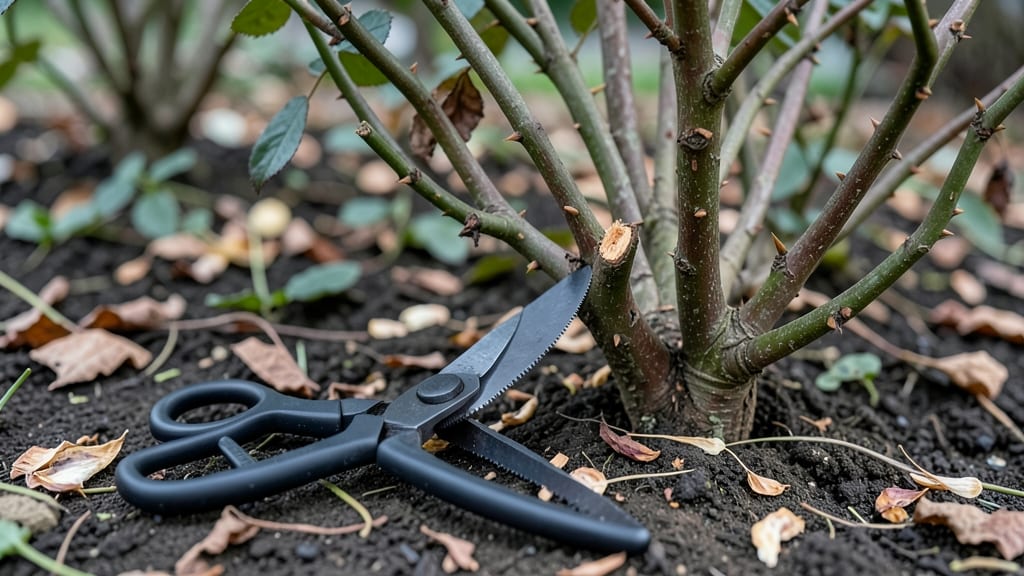
Cutting back Knockout roses in winter isn’t just about tidying up—it’s the secret to next year’s shockingly lush blooms. ✂️ I’ve learned the hard way that skipping this step means fewer flowers and more leggy, weak stems.
The key is timing: wait until after the first hard frost but before new growth starts in early spring. You’ll need sharp pruners, rubbing alcohol (to sterilize cuts), and a clear day to avoid working with damp wood.
Most people over-prune, but Knockout roses are forgiving—just cut back one-third of the oldest stems to encourage fresh, vigorous growth. Focus on removing dead wood and crossing branches first. After pruning, your roses will look like bare sticks, but that’s normal.
The real magic happens underground, where roots prepare for spring. A light layer of mulch keeps them insulated and hydrated until warmer weather arrives. Works for zones 5-9, though mild climates can wait until late winter. Here’s how to do it right—without turning your yard into a winter bare-bones zone.
📚 In This Guide
- What you need
- Instructions
- Tips and common mistakes
- Wrapping up and next steps
What you need
- ● Bypass pruners – Sharp, clean pruners (1 pair) for clean cuts. Pro tip: Disinfect with rubbing alcohol before and after use to prevent disease spread! 💡
- ● Loppers – Heavy-duty loppers (1 pair) for thicker stems (1/2" or larger). Look for bypass-style blades for precision.
- ● Hand saw – A pruning saw (1) for stubborn, thick branches that pruners can’t handle.
- ● Gloves – Sturdy gardening gloves (1 pair) to protect your hands from thorns and debris.
- ● Disinfectant – Rubbing alcohol (70% isopropyl) or a commercial pruning disinfectant to sterilize tools between cuts.
- ● Rake or broom – To clear away pruned debris and fallen leaves from the base of the plant.
- ○ Garden twine or zip ties – (Optional but helpful) to secure large branches if needed during pruning.
- ● Pruning sealant – A fast-drying, non-toxic sealant (like tree wound dressing) to coat large cuts (over 1" in diameter). Note: Many experts debate whether sealant is necessary—use sparingly if at all! ✨
- ● Marking spray or paint – To label branches you plan to prune (helpful for complex shapes or multiple roses).
- ● Wheelbarrow or buckets – For hauling away pruned branches and debris efficiently.
- ● Safety glasses – To protect your eyes from flying debris, especially when using a saw.
Instructions for cutting back Knockout roses in winter
Here’s how to prep your Knockout roses for spring—clean cuts and strategic pruning make all the difference.
✂️ Step 1: Time the Pruning Perfectly
Wait until the ground freezes or your region’s last frost date is just days away. This is critical—cutting too early risks encouraging new growth that’ll die in cold snaps. I aim for late February or early March in my zone, but check your local frost dates first. The goal is to let the plant rest through winter but remove dead or weak canes before spring’s rush.
Look for canes that are completely blackened or hollow—these won’t recover. Healthy canes will still have some green or brown bark, not the mushy decay of dead wood. If you’re unsure, scratch the bark with your fingernail: if it’s firm, leave it; if it’s soft or crumbles, prune it out.
✂️ Step 2: Gather Tools and Prepare the Workspace
You’ll need clean, sharp pruners (sterilized with rubbing alcohol to prevent disease spread) and thick gardening gloves. Lay down a tarp or old sheet to collect the pruned canes—this keeps your workspace tidy and makes cleanup easier. I also grab a bucket of soapy water to soak my tools afterward. Avoid pruning on a windy day; debris can scatter and harbor pests.
Work when the roses are dry. Pruning wet canes can spread fungal spores, and the tools will clog with sap. If you must prune after rain, let the plants dry for at least 24 hours first. This also gives you a clearer view of where each cut should go—no guessing through damp foliage.
✂️ Step 3: Make Clean Cuts at the Right Angle
Start by removing any dead, diseased, or crossing canes first. Cut these back to the ground or to a strong outward-facing bud. For healthy canes, aim to shape the plant into an open vase form—this encourages airflow and sunlight penetration. Make cuts just above an outward-facing bud or branch, angled slightly away from the bud to prevent water from pooling.
Leave about ⅓ to ½ of the plant’s height after pruning. For mature Knockout roses, this might mean cutting back to 24-36 inches tall, depending on the plant’s size. Avoid leaving stubs—always cut back to a bud or branch. If you’re unsure where to cut, imagine the plant as a clock: aim for buds that face outward (like the 9 or 3 o’clock positions).
🌱 Step 4: Clean Up and Protect the Plant
Rake up all pruned canes and debris—don’t leave them near the base of the plant. This reduces hiding spots for pests and fungal spores. Once the area is clear, apply a 2-3 inch layer of mulch around the base (but not touching the stems) to insulate the roots. I use shredded bark or straw, which breaks down slowly and adds organic matter to the soil.
If your winters are harsh, consider wrapping the plant with burlap or a rose cone to shield it from drying winds. Remove the wrap in early spring once new growth starts. Water the base lightly after pruning if the ground isn’t frozen—just enough to settle the soil. Avoid overwatering, as soggy soil can rot the roots before spring.
⏰ Step 5: Monitor for New Growth in Early Spring
In late winter or early spring, check for signs of new growth—tiny green buds or swelling canes. This is your cue that the plant is waking up. If you see buds but no leaves, don’t panic—Knockout roses are tough and often emerge later than other plants. Once you spot 1-2 inches of new growth, it’s time to fertilize lightly with a balanced rose fertilizer.
Watch for any signs of stress, like yellowing leaves or black spots, which could indicate fungal issues. If you see these, treat with a fungicide labeled for roses and prune off affected areas immediately. Keep an eye on the plant’s overall shape—if it looks lopsided, you can do a light shaping prune in early spring to encourage even growth.
Tips & tricks for perfect winter rose pruning
These simple tricks will help you avoid common mistakes and get your Knockout roses ready for their best bloom yet.
The Right Time is Everything: Timing your prune right is the single most important factor. I learned this the hard way after seeing new growth freeze in my first two winters. The 24-hour drying period after rain is non-negotiable—wet canes are more susceptible to disease and sap clogs your tools. Check your local frost dates, but remember: late February to early March works for most zones, but always wait until the ground is frozen solid.
Tool Prep Saves Time: Sterilizing your pruners with rubbing alcohol isn't just about disease prevention—it also keeps your cuts clean and precise. I keep a small bottle of 70% isopropyl alcohol in my gardening toolkit. For stubborn cuts, I use a small file to sharpen the blades before each session. This makes pruning faster and reduces the chance of tearing the bark, which can invite infections.
Shape Matters More Than You Think: When shaping your roses into that open vase form, think of it like creating a wind tunnel. The goal is to maximize airflow and sunlight penetration to the center of the plant. For mature Knockout roses, cutting back to 24-36 inches tall gives you that perfect balance—tall enough to support blooms but not so tall that new growth struggles to reach sunlight. The "clock method" (cutting to outward-facing buds at 9 and 3 o'clock positions) really works—it's like giving your plant a built-in growth guide.
Mulch Like a Pro: That 2-3 inch layer of mulch isn't just decoration—it's insulation for your rose's roots. I use shredded bark because it breaks down slowly, adding organic matter over time. The key is to keep it 2-3 inches away from the stem to prevent rot. For extra protection in harsh winters, I add a thick layer of straw on top of the bark mulch—it's like putting a winter blanket on your roses.
Pro Tips for Cutting Back Knockout Roses In Winter
- These simple tricks will help you avoid common mistakes and get your Knockout roses ready for their best bloom yet.
- The Right Time is Everything: Timing your prune right is the single most important factor. I learned this the hard wa...
- Tool Prep Saves Time: Sterilizing your pruners with rubbing alcohol isn't just about disease prevention—it also keeps...
Frequently asked questions
Got questions about giving your Knockout Roses the perfect winter haircut? We’ve got answers! Here are some of the most common concerns—plus expert tips to keep your roses thriving.
When is the exact best time to prune Knockout Roses in winter?
Prune after your last hard frost but before new growth starts—typically late February to early March in most zones. This timing balances frost protection with early-spring energy for blooms. Avoid pruning too early (risk of cold damage) or too late (missed growth boost).
Do I need to cut all the way down to the ground, or leave some stems?
No need for drastic cuts! Trim back to 12–18 inches tall, removing dead/diseased wood first. Leave 3–5 healthy canes per bush to encourage strong regrowth. Over-pruning can stress the plant—think "lighten up," not "bare it all!"
What if I see dead or blackened stems—should I cut those differently?
Yes! Dead/diseased stems should be cut back to live wood (green or light brown inside) at a 45° angle. Sterilize your pruners with rubbing alcohol between cuts to prevent spreading disease. Healthy stems can stay longer—just shape them neatly.
Can I prune Knockout Roses in late winter if I missed the ideal window?
Better late than never! Prune anytime before buds swell (usually by late March). Just be mindful: late pruning may delay spring blooms. If you’re unsure, wait until early spring—your roses are resilient and will bounce back!
Are there alternatives if I hate pruning? Can I let them grow wild?
Knockout Roses love pruning, but if you skip it, they’ll still bloom—just smaller and less tidy. Unpruned bushes may get leggy or crowded, inviting pests/disease. A light annual trim keeps them compact, healthy, and show-stopping. Think of it as a spa day for your roses!
What’s the fastest way to clean up pruned branches?
Rake up debris immediately to prevent fungal growth (like black spot). Bag and compost healthy prunings; discard diseased ones. For extra speed, use a leaf blower to clear small branches—just avoid blowing debris onto lawns or neighboring plants!
Wrapping up and next steps
Pruning your Knockout Roses in late winter isn’t just a chore—it’s the secret to stunning, long-lasting blooms all season! 🌸 By following the right steps—like cutting back to the bud union or outward-facing buds—you’ll encourage healthier growth, better air circulation, and fewer pests.
With sharp tools, a clear plan, and a little patience, you’re setting your roses up for a showstopping comeback.
Ready to transform your garden? Grab your pruners, mark your calendar for late February or early March, and take action! Your future blooms will thank you—one snip at a time. 🌿✨