
Succulent
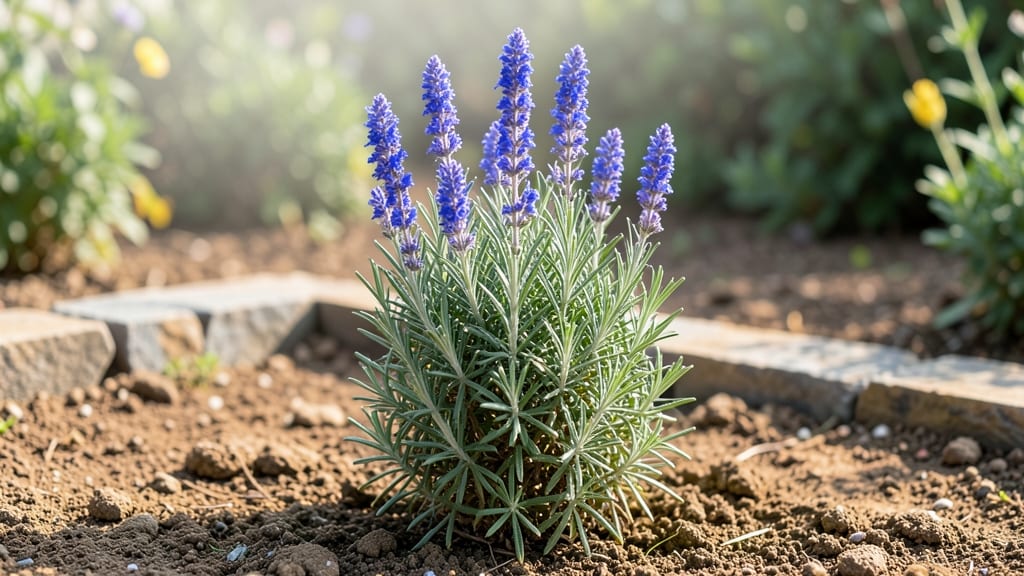
Growing Blue Spire rosemary transforms your garden into a fragrant, drought-proof masterpiece. 🌿 This striking variety thrives in sunny spots while demanding almost no water once established—perfect for busy gardeners or dry climates.
The needle-like foliage stays compact and silvery-blue, making it a standout ornamental plant that also doubles as a kitchen staple.
Start with well-draining soil and full sun—at least 6 hours daily—to keep this Mediterranean native happy. Water deeply but infrequently, letting the soil dry completely between sessions. Overwatering is the fastest way to kill it, but once rooted, Blue Spire rosemary laughs off drought like it’s nothing.
A pinch of compost at planting gives it a head start without requiring extra fuss.
Prune lightly after harvests or in early spring to maintain its tidy shape, and you’ll get fresh herbs for roasts or garnishes all season. The scent alone makes it worth growing—imagine snipping sprigs for homemade bread or marinades while your neighbors envy your effortless garden.
Plus, deer and rabbits steer clear, so it’s a low-maintenance sentinel for your landscape.
Propagate easily from cuttings, and you’ll soon have enough to share with friends—or expand your own garden. Just avoid heavy clay soils, and you’ll have a plant that rewards patience with beauty, fragrance, and culinary magic. Ready to grow yours?
📚 In This Guide
- What you need
- Instructions
- Tips and common mistakes
- Wrapping up and next steps
What you need
- ● Blue Spire Rosemary Plant: 1 nursery-grown cutting or potted plant (ensure it’s healthy with vibrant blue-green foliage).
- ● Well-Draining Soil: 5 gallons of cactus or succulent mix (or 3 parts potting soil + 2 parts perlite/pumice for DIY).
- ● Container or Garden Bed: Container Option: 1–2 gallon pot with drainage holes (terracotta or fabric pots work best).
- ● Garden Bed Option: Full sun exposure (6+ hours/day) in a sandy, rocky, or gravelly soil area.
- ● Fertilizer: 1 cup of balanced organic fertilizer (10-10-10) or slow-release rosemary-specific granules.
- ○ Mulch (Optional but Helpful): 1–2 inches of gravel or coarse sand to retain moisture and deter weeds.
- ● Gloves: 1 pair of gardening gloves (to protect hands from prickly stems).
- ● Trowel or Spade: 1 small hand trowel for planting.
- ● Watering Can or Hose: With a gentle spray nozzle (rosemary hates soggy roots!).
- ● Pruning Shears: 1 pair of sterilized shears (for trimming and shaping).
- ● Sunlight Access: A south-facing window, greenhouse, or outdoor sunny spot (Blue Spire thrives in full sun!).
- ○ Patience (Optional but Recommended): This drought-tolerant herb grows slowly—give it time to establish!
Step-by-step guide to cultivating blue Spire rosemary
This drought-resistant beauty thrives with minimal fuss—here’s how to coax its striking blue foliage to life.
🌱 Step 1: Select the Perfect Planting Spot
Blue Spire rosemary demands full sun—at least 6 hours daily—to maintain its vibrant color and compact growth. I always choose the southwest corner of my garden, where it gets afternoon warmth without afternoon shade. Avoid low spots where cold air pools, as rosemary despises soggy roots.
Test your spot by observing how much sun it receives over a week. If leaves start stretching or lose their blue tint, the light isn’t sufficient. Amend the soil with 1-2 inches of coarse sand or gravel if your garden soil drains poorly—rosemary’s roots need fast-draining conditions to prevent rot.
🪴 Step 2: Plant with Proper Spacing and Soil Prep
Dig a hole twice as wide as the rosemary’s root ball but only as deep as the container it came in. Gently loosen the roots if they’re circling the pot—this encourages outward growth. Space plants 3-4 feet apart to allow airflow and prevent fungal diseases.
Mix the native soil with half its volume of gritty amendment (like perlite or coarse sand) to improve drainage. Blue Spire rosemary tolerates poor soil but thrives when planted in sandy, alkaline soil with a pH of 6.0-7.0. Avoid fresh compost—it retains too much moisture and risks root rot.
☀️ Step 3: Water Deeply but Infrequently
Water deeply once a week during the first growing season, soaking the root zone until water runs out the bottom of the hole. After establishment, rosemary becomes extremely drought-tolerant—let the soil dry completely between waterings. You’ll know it’s thirsty when the leaves start curling slightly.
Never water overhead, especially in humid climates. Wet foliage invites fungal diseases like powdery mildew. Instead, water at the base in the morning so leaves dry quickly. Mulch with 1-2 inches of gravel (not organic mulch) to reflect heat and deter weeds while keeping roots cool.
✂️ Step 4: Prune for Shape and Encourage Bushiness
Prune after flowering in late spring or early summer to maintain the Blue Spire’s signature upright form. Use clean, sharp shears to trim back one-third of the plant’s height, cutting just above a set of leaves. This encourages branching and prevents legginess.
Remove any woody stems at the base—these won’t regrow. If your rosemary flops over, cut it back harder in early spring. It may look brutal, but it always bounces back with fresh, blue-green growth. Avoid heavy pruning in fall, as new growth won’t harden off before winter.
⏰ Step 5: Protect in Winter and Harvest Wisely
Blue Spire rosemary is hardy to USDA Zone 7, but in colder climates, mulch heavily with 4-6 inches of straw or leaves after the first frost. If temperatures drop below 10°F, cover the plant with burlap or frost cloth to prevent dieback. Remove protection once the ground thaws.
Harvest sparingly in the first year to encourage root establishment. Cut individual stems (not more than one-third of the plant) just above a leaf node. Harvest in the morning after dew has dried for the strongest flavor. Never harvest more than 20-30% of the plant at once—rosemary recovers slowly from heavy pruning.
Tips & tricks for perfect blue Spire rosemary cultivation
These practical insights will help you coax the most vibrant blue foliage from your drought-tolerant rosemary—without the common pitfalls that trip up new growers.
Lighting Strategy: The 6 hours of daily sun requirement is non-negotiable for maintaining that signature blue hue, but here's the trick: position your rosemary where it gets morning sun and afternoon warmth without harsh midday glare. I've found that placing it near a south-facing wall creates a microclimate that extends effective sunlight exposure by about 30 minutes.
Soil Science: When amending your soil with 1-2 inches of coarse sand or gravel, don't just sprinkle it on top—mix it thoroughly with the native soil down to the root ball level. This creates the critical fast-draining conditions rosemary needs. I like to use a garden fork to create vertical channels for drainage, especially in clay-heavy soils. The pH test is crucial too—use a simple soil test kit to confirm that alkaline range of 6.0-7.0.
Watering Wisdom: That initial once-weekly deep watering during the first growing season is your best defense against root rot. Here's how to do it right: Use a long-handled watering wand to soak the root zone until water flows freely from the bottom of the hole. After establishment, let the soil dry completely between waterings—you'll notice the leaves curl slightly when it's thirsty, but never let them wilt completely. This drought tolerance is what makes rosemary so resilient once established.
Pruning Precision: When you trim back one-third of the plant's height after flowering, make your cuts just above a set of leaves where new growth will emerge. I've learned that using clean, sharp shears is non-negotiable—dull blades crush stems and invite disease. For the signature upright form, focus your cuts on the outer third of the plant to encourage that bushy, compact growth pattern. And remember, those woody stems at the base? They're dead weight—remove them completely to redirect the plant's energy.
Pro Tips for Blue Spire Rosemary
- These practical insights will help you coax the most vibrant blue foliage from your drought-tolerant rosemary—without...
- Lighting Strategy: The 6 hours of daily sun requirement is non-negotiable for maintaining that signature blue hue, bu...
- Soil Science: When amending your soil with 1-2 inches of coarse sand or gravel, don't just sprinkle it on top—mix it ...
Frequently asked questions
Can Blue Spire Rosemary survive in containers?
Blue Spire Rosemary thrives in containers as long as they have drainage holes and room to grow (at least 12 inches deep). Use well-draining soil like a cactus/succulent mix, and place the pot in full sun. Just be sure to water sparingly—overwatering is the #1 killer of container-grown rosemary!
How long does it take for Blue Spire Rosemary to grow?
This hardy herb grows fast! From seed, expect 6–8 weeks for germination, followed by 3–6 months to reach maturity (18–24 inches tall). If you start with a nursery plant, you’ll see noticeable growth within 4–6 weeks, especially with plenty of sun and minimal watering. Patience pays off—harvesting is just around the corner!
Does Blue Spire Rosemary need full sun?
Blue Spire Rosemary craves 6+ hours of direct sunlight daily. While it can tolerate partial shade (especially in hot climates), its signature blue hue and compact growth fade without ample sun. For best results, plant it in a south- or west-facing spot.
How often should I water Blue Spire Rosemary?
Water only when the soil is completely dry—usually every 2–3 weeks, depending on your climate. Overwatering causes root rot, so let the soil dry out between waterings. In containers, check the top inch of soil; if it’s dry, it’s time to hydrate. Drought tolerance is this herb’s superpower!
What can I do if my Blue Spire Rosemary turns yellow?
Yellowing leaves often signal overwatering or poor drainage. Let the soil dry out thoroughly, and ensure your pot has drainage holes. If the roots smell rotten, trim the affected parts and repot in fresh, dry soil. Yellowing can also indicate nutrient deficiency—try a light dose of balanced fertilizer in spring.
Can I grow Blue Spire Rosemary indoors?
Yes! Place it near a sunny window (south- or west-facing) or under a grow light for 6+ hours daily. Use a shallow pot with well-draining soil, and avoid overwatering. Indoor rosemary may grow slower but still yields fragrant leaves—perfect for cooks and aromatherapy lovers!
Wrapping up and next steps
Ready to transform your garden into a fragrant, drought-resistant paradise? 🌿 Blue Spire Rosemary is your low-maintenance, sun-loving superstar—perfect for adding texture, aroma, and resilience to any outdoor space. Whether you’re a seasoned gardener or a beginner, this hardy herb thrives with minimal effort, rewarding you with lush foliage and culinary potential.
Now that you’re armed with the how-to and FAQs, take the next step: plant your Blue Spire Rosemary today and watch it flourish! Share your progress with fellow plant enthusiasts or experiment with it in your favorite dishes—your garden (and taste buds) will thank you. 🌞✨