
Diseases
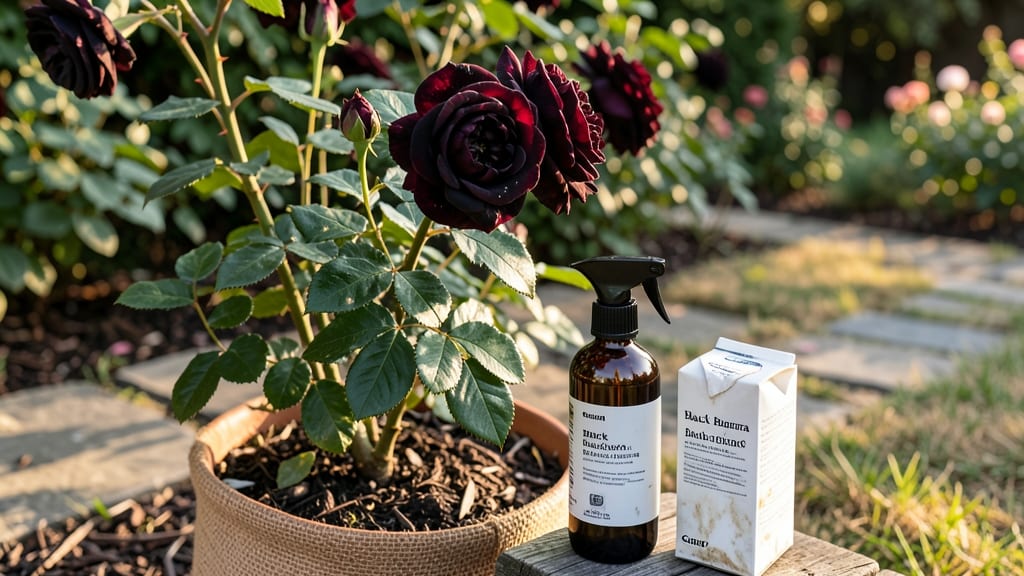
Your roses are covered in black spots, and you’re desperate for a solution that doesn’t involve harsh chemicals. 🌹 The black spot roses milk spray is your secret weapon—a simple, copper-free remedy that stops fungal blight in its tracks while keeping your plants healthy and blooming.
I’ve battled black spot for years, and this method saved my garden when everything else failed. The science is straightforward: milk contains proteins and fatty acids that disrupt fungal growth, acting like a natural fungicide. No copper residue, no chemical buildup—just a spray that works fast and safely.
Within 7-10 days of consistent treatment, you’ll see new leaves emerging free of spots, and your roses will bounce back stronger. The best part? It’s cheap, easy, and effective—no fancy equipment needed, just milk and water.
Works for all rose varieties, from hybrid teas to climbers, and fits seamlessly into your regular care routine. Let’s get those roses thriving again!
Understanding Fungal Blight Triggers
Black spot on roses—especially when it appears in milk-based sprays—is rarely caused by the milk itself. Instead, the issue stems from fungal spores (Diplocarpon rosae or Marssonina rosae) thriving in damp, nutrient-rich conditions.
Below, we break down the true culprits behind this frustrating problem, so you can tackle it with precision.
Fungal spores love humidity—think of it like a warm, wet blanket for pathogens. When roses stay damp for prolonged periods (especially leaves), spores germinate and spread rapidly. Milk-based sprays, while natural, can trap moisture on foliage if not applied correctly.
- Why it happens:
- High humidity (above 75%) creates the perfect breeding ground.
- Overhead watering (especially in the evening) keeps leaves wet overnight.
- Dense foliage blocks airflow, preventing leaves from drying quickly.
- Actionable fix:
- Water at soil level (not overhead) in the morning to allow foliage to dry.
- Prune roses to improve airflow—thin out crowded branches by 20-30%.
- Avoid mulching too close to stems (keep 2-3 inches away) to reduce soil moisture retention.
Milk isn’t the villain—over-fertilization is. When roses get too much nitrogen (common in fast-release fertilizers), they grow soft, lush leaves that fungi adore. Weakened plants also struggle to resist infections.
- Why it happens:
- Excess nitrogen promotes tender, susceptible growth (fungi feast on this).
- Poor soil drainage leads to root stress, making roses more vulnerable.
- Old or diseased leaves (left unpruned) harbor spores year-round.
- Actionable fix:
- Balance your fertilizer: Use a low-nitrogen, high-phosphorus formula (e.g., 5-10-10) to strengthen roots.
- Test your soil—aim for a pH of 6.0–7.0 (fungi thrive in acidic conditions).
- Remove fallen leaves in autumn to break the spore cycle.
Fungal spores dormant in winter wake up when temperatures rise—usually spring and fall. Cool nights (50–60°F) with warm days create ideal "dew point" conditions for spore germination.
- Why it happens:
- Spring flushes (new growth) are highly susceptible because they’re nutrient-rich and tender.
- Fall rains + dropping temps = perfect storm for fungal outbreaks.
- Heat stress (above 90°F) weakens roses, making them less resistant.
- Actionable fix:
- Monitor forecasts—apply preventive sprays (like milk mixtures) before rain or humidity spikes.
- Mulch strategically: Use straw or pine needles (not wet bark) to regulate soil temp.
- Avoid late-season pruning—it stimulates new growth that’s prone to infection.
Milk’s natural antifungal properties (from lactic acid and fatty acids) work—but only if applied correctly. Diluting too much, spraying at the wrong time, or missing spots leaves roses exposed.
- Why it happens:
- Under-diluted milk can clog stomata (leaf pores), trapping moisture.
- Spraying only the tops misses undersides where spores hide.
- Reapplying too soon (before the first spray dries) reduces effectiveness.
- Actionable fix:
- Dilution ratio: 1 part milk to 9 parts water (homogenized, unsweetened works best).
- Spray undersides and stems—90% of spores lurk there.
- Reapply every 7–10 days or after rain (but let leaves dry first).
Pro Tip 💡: Combine milk sprays with neem oil (1 tsp per gallon) for a double-layer defense against spores. Neem disrupts fungal cell membranes while milk smothers them!
Quick Fixes for Fungal Blemishes
Black spot on roses—or that unsightly fungal infection—can feel like a losing battle, but with the right approach, you can restore your plants to their vibrant best.
Below are targeted solutions based on the root cause, from organic remedies to preventative care. Each fix is designed to be easy, effective, and copper-free where possible.
If black spots are already appearing, act fast to prevent the fungus from taking over.
🔥 Remove Infected Leaves Immediately
- How: Snip off leaves with black spots using sterilized pruners (wipe with rubbing alcohol between cuts).
- Why: Fungal spores spread via water splashes and wind—removing infected foliage cuts off the infection cycle.
- Pro Tip: 💡 Drop infected leaves into a sealed plastic bag (not your compost bin) to prevent spores from reinfecting.
🌿 Apply a Natural Fungicide Spray
Skip harsh chemicals and try these copper-free alternatives:
- Milk Spray (Yes, Really!)
- Mix 1 part milk (whole or skim) to 9 parts water in a spray bottle.
- Spray every 7–10 days until new growth appears.
- Why? Milk contains lactic acid and proteins that disrupt fungal cell walls.
- Bonus: Works best in early morning or evening to avoid leaf burn.
- Neem Oil Solution
- Combine 1 tsp neem oil + 1 tsp mild soap + 1 quart water.
- Shake well and spray undersides of leaves (where spores hide).
- Reapply every 5–7 days for 2–3 weeks.
- Baking Soda Mix
- Dissolve 1 tbsp baking soda + 1 tsp oil (like coconut or vegetable) + 1 gallon water.
- Spray directly on spots—the alkaline pH inhibits fungal growth.
🌧️ Adjust Watering Habits
- Water at the Base: Avoid overhead watering (especially in the evening).
- Use Drip Irrigation: Keeps foliage dry and reduces spore splash.
- Improve Drainage: Ensure pots or garden beds aren’t waterlogged—fungi thrive in damp conditions.
Once your roses are clear, keep them protected with these long-term strategies.
✨ Boost Plant Immunity
- Fertilize Wisely: Use a balanced, organic fertilizer (like fish emulsion or compost tea) to strengthen stems.
- Prune for Airflow: Thin out crowded branches to reduce humidity near leaves.
- Mulch Properly: Apply 2–3 inches of organic mulch (straw or wood chips) to keep soil moist but not soggy.
🌡️ Monitor & Maintain
- Weekly Inspections: Check leaves undersides and tops for early signs (tiny black dots).
- Clean Tools: Sterilize pruners and shears with rubbing alcohol after each use.
- Rotate Remedies: Alternate between milk spray, neem oil, and baking soda to prevent resistance.
🌿 Companion Planting
- Plant Near Garlic or Chives: These repel fungi naturally.
- Avoid Overcrowding: Space roses 3–4 feet apart for better airflow.
With consistent care, you’ll see new, healthy growth in 2–4 weeks. If spots persist after 3 weeks, consider:
- Soil Testing: Fungal issues sometimes stem from nutrient deficiencies (like low nitrogen).
- Professional Help: A local extension service can diagnose underlying problems.
Remember: Patience and prevention are key—once you break the fungal cycle, your roses will bounce back stronger than ever! 🌹💪
Frequently asked questions
Can I use any type of milk for the spray?
Homogenized, unsweetened milk works best—whether whole, skim, or 2%—because it contains the most natural antifungal compounds. Avoid raw milk (can introduce bacteria) and sweetened versions (sugar feeds fungi). For extra effectiveness, use whole milk as its higher fat content helps coat leaves better.
How often should I spray my roses with milk?
Apply the milk spray every 7–10 days during active growing seasons (spring-fall) or after heavy rain. For severe infections, spray weekly for 2–3 weeks until new growth appears. Always spray in the early morning or evening to prevent leaf burn from sunlight.
Will milk spray work on other fungal diseases?
Yes! Milk spray is effective against powdery mildew, rust, and downy mildew on roses and many other plants. The same 1:9 milk-to-water ratio works for most fungal issues, but always test on a small area first. For stubborn cases, combine with neem oil for better results.
Why does my rose keep getting black spot even after spraying?
Persistent black spot often means spores are still spreading due to high humidity, poor airflow, or missed undersides of leaves. Double-check your pruning (remove all infected leaves), water at the base (not overhead), and spray both leaf surfaces. If issues continue, test your soil pH—fungi thrive in acidic conditions.
Can I mix milk spray with other garden treatments?
Yes, but with caution! Milk spray pairs well with neem oil, baking soda, or potassium bicarbonate for enhanced fungal control. Avoid mixing with copper-based sprays (can create toxic reactions) or chemical pesticides (reduces milk’s effectiveness). Always mix fresh and use within 24 hours for best results.