
Planting
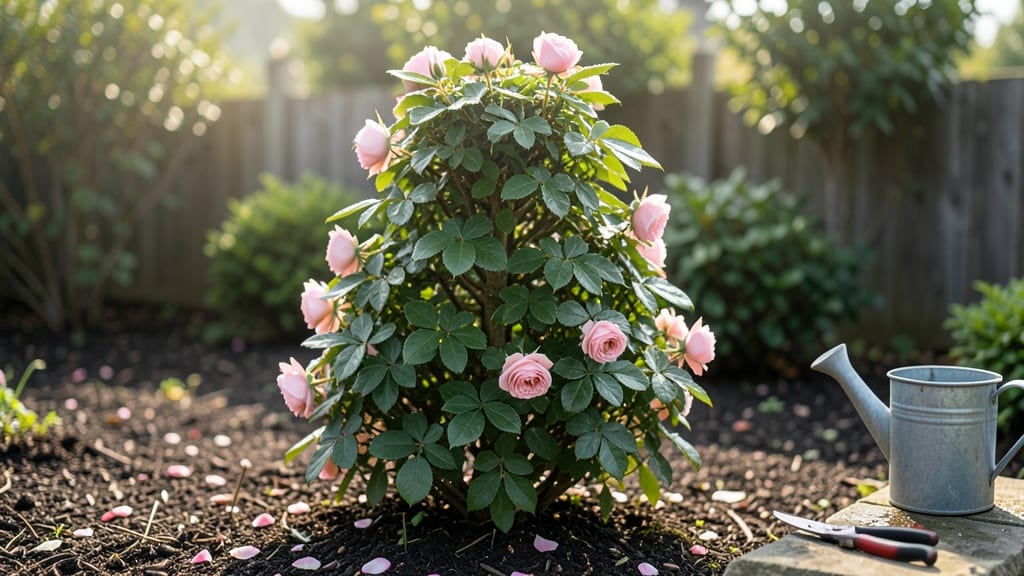
A rose topiary plant transforms your garden into a living sculpture—each bloom a brushstroke in nature's masterpiece. 🌹 I've shaped mine into a dramatic spiral, and the results are worth every snip of the shears.
The key isn't just cutting; it's understanding when to prune, how to coax new growth, and which roses actually thrive in this sculpted form. You'll need disease-resistant climbers like 'New Dawn' or 'Climbing Iceberg,' sharp pruners, and a sturdy trellis or framework.
Most people rush the shaping, but patience pays off—your topiary should grow 6-12 inches per year before aggressive trimming begins. The first year is all about establishing the structure; after that, you'll refine the shape seasonally.
What you end up with is a year-round focal point that blooms heavier than regular roses. The spiral or cone shape you create will stay lush and defined, with flowers cascading like a living waterfall. Even in winter, the bare branches hold their trained form, waiting for spring's rebirth.
This works for small gardens, urban patios, or grand estate entries—just scale the framework to your space. The real magic happens when you combine precision with flexibility, letting the plant guide the shape while you maintain control. Ready to sculpt with nature?
📚 In This Guide
- What you need
- Instructions
- Tips and common mistakes
- Wrapping up and next steps
What you need
- ● Rose Bush: A healthy, disease-free climbing or shrub rose (e.g., Floribunda or Hybrid Tea varieties). Choose a 1-2 year-old plant for best results.
- ● Support Frame: Wooden or metal cage (4-6 ft tall) or
- ● Bamboo or wire trellis (5-8 ft tall) with sturdy stakes.
- ● Potting Soil: 10-15 gallons of well-draining, organic potting mix (amend with perlite or sand for aeration).
- ● Pruning Tools: Sharp bypass pruners (for clean cuts).
- ● Concave-tip pruning shears (to prevent stem damage).
- ● Loppers (for thicker branches, if needed).
- ● Fertilizer: Balanced rose fertilizer (10-10-10 or 20-20-20) or organic options like composted manure.
- ● Mulch: 2-3 inches of organic mulch (e.g., wood chips or straw) to retain moisture.
- ● Watering Can or Hose: With a gentle spray nozzle to avoid damaging new growth.
- ● Topiary Wire: Copper or aluminum wire (18-20 gauge) for shaping (if hand-trimming isn’t your style!).
- ● Plant Ties: Soft fabric or plastic ties to secure branches to the frame.
- ● Slow-Release Granules: Osmocote or similar for 3-4 month nutrient release.
- ● Decorative Accents: Paint, moss, or small ornaments for a whimsical touch!
- ● Gloves: Heavy-duty gardening gloves to protect from thorns.
How to create a rose topiary plant for year-round beauty
Here's my foolproof method for shaping roses into elegant topiaries that keep blooming all season long.
🪴 Step 1: Select and Prepare the Right Rose Bush
Choose a disease-resistant, vigorous rose bush that responds well to pruning—like 'Knock Out' roses or 'Earth-Kind' varieties. I always start with a 2-3 year old plant that's already established, about 3 feet tall, with strong stems. The key is selecting a bush with multiple main stems rather than a single leader—this gives you more flexibility for shaping.
Before shaping, give your rose a deep watering the day before trimming. Healthy roots mean better healing after cuts. I also remove any dead or crossing branches first—this prevents disease and gives your topiary a clean foundation. Use sterilized pruners (wipe with rubbing alcohol) to make clean cuts at a 45-degree angle just above an outward-facing bud.
✂️ Step 2: Establish the Basic Topiary Shape
For a classic rounded topiary, I start by identifying the center point of the plant. Using a sturdy stake (about 4 feet tall) as a guide, I mark the desired height—usually 3-4 feet for most garden spaces. The goal is to create a rounded dome shape with a slightly wider base that tapers gently toward the top.
Begin by cutting back the longest stems to your target height. I like to leave 2-3 buds above my mark so new growth emerges in the right place. For a more formal look, I use flexible wire supports to gently bend and train branches into position. Water the plant immediately after shaping—this helps reduce stress and encourages rapid recovery.
☀️ Step 3: Maintain Shape Through Regular Trimming
Topiaries need monthly trimming to maintain their shape, especially during active growing seasons. I schedule my first major trim in late spring after the first flush of blooms, then repeat every 4-6 weeks throughout summer. Always trim just above a leaf node or bud—this ensures new growth emerges in the right direction.
For a natural look, I use hand pruners to trim individual branches that stray from the shape. For more dramatic shaping, I use hedge shears to create clean lines. The key is to trim just enough to maintain the form without over-pruning. After each trim, I apply a balanced fertilizer (10-10-10) to encourage lush, healthy growth.
💧 Step 4: Encourage Year-Round Blooms
To keep your topiary blooming continuously, I deadhead spent flowers immediately after they fade. This redirects the plant's energy toward producing new blooms rather than seed development. I also prune lightly in early fall to remove any weak growth and shape the plant for winter.
In late winter (just before new growth begins), I give the topiary a renewal prune—cutting back about one-third of the previous year's growth. This stimulates fresh, vigorous shoots that will form the basis of next year's blooms. Water deeply after pruning and apply a slow-release rose fertilizer to support the new growth.
⏰ Step 5: Winter Care for Next Year's Growth
As temperatures drop below 32°F, I protect my topiary by wrapping it in burlap or using a topiary-specific cover. I never let the plant dry out completely in winter—water monthly if natural rainfall is scarce. In early spring, I remove the winter protection and give the plant a light trim to remove any dead wood before new growth begins.
Here's the thing—topiaries take patience. Your first year will be about establishing the shape, and full beauty comes in the second year. But once established, a properly maintained rose topiary becomes the star of any garden, blooming beautifully from early summer through fall with proper care.
Tips & tricks for perfect rose topiary shaping
These insider techniques will help you transform your rose bush into a stunning topiary that thrives year after year.
Plant Selection Wisdom: When choosing your rose bush, look for varieties specifically bred for topiary work like 'Knock Out' roses—they handle pruning beautifully. I always opt for a 2-3 year old plant because younger plants have more flexible stems that respond better to shaping. The multiple main stems are your best friend—they give you more branches to work with when creating that classic rounded dome shape.
Pruning Precision: In Step 1, when making those 45-degree cuts, always cut just above an outward-facing bud. This ensures new growth emerges in the right direction and maintains the shape. I use a pencil to mark my cutting lines before making the first cuts—this helps me visualize the final shape and prevents over-trimming. Remember, you can always trim more later, but you can't put back what you've cut off!
Support System: For that formal look in Step 2, flexible wire supports are a game-changer. I use 18-gauge floral wire to gently bend branches into position without breaking them. Wrap the wire loosely around the stem, leaving room for the branch to grow. Water immediately after shaping—this helps the plant recover faster and reduces stress. Think of it like giving your topiary a drink after a workout!
Seasonal Timing: The monthly trimming schedule in Step 3 works best when you start in late spring after the first flush of blooms. I set reminders on my phone for every 4-6 weeks throughout summer to keep the shape maintained. For winter care, remember that 32°F is your magic number—once temps drop below this, it's time to wrap up that burlap protection.
Pro Tips for Rose Topiary Plant
- These insider techniques will help you transform your rose bush into a stunning topiary that thrives year after year.
- Plant Selection Wisdom: When choosing your rose bush, look for varieties specifically bred for topiary work like 'Knock Out' roses—they handle pruning beautifully.
- Pruning Precision: In Step 1, when making those 45-degree cuts, always cut just above an outward-facing bud.
Frequently asked questions
Got questions about keeping your rose topiary thriving?
Here are answers to the most common ones—because even the prettiest plants need a little TLC!
How often should I trim a rose topiary to keep it shaped?
Trim your rose topiary every 4–6 weeks during the growing season (spring to fall) to maintain its shape. Light pruning after each bloom cycle encourages denser growth. Avoid heavy cuts in winter—just remove dead or damaged wood. Pro tip: Use sharp, sterilized shears for clean cuts!
Can rose topiary survive winter? What’s the best way to protect it?
Yes! Most rose topiaries are hardy, but young plants or tender varieties need winter care. Mulch the base with 2–3 inches of organic mulch (like straw) and wrap the plant in burlap if temps drop below 20°F. Prune back lightly in late winter to prep for spring growth.
What if my rose topiary isn’t blooming? How can I fix it?
Lack of blooms often means too much shade, over-fertilizing with nitrogen, or poor pruning. Move your topiary to 6+ hours of sunlight daily, switch to a balanced bloom fertilizer (like 10-10-10), and prune to encourage airflow. Deadhead spent blooms too!
Are there alternatives to traditional rose topiary for small spaces?
Try dwarf roses (like ‘Fairy’ or ‘Bonica’), boxwood topiary (evergreen and low-maintenance), or ornamental grasses (like fountain grass) for a modern twist. All thrive in containers and need less pruning!
How do I prevent pests like aphids or spider mites on my rose topiary?
Start with prevention: Spray plants with neem oil weekly during peak pest seasons (spring/fall). Remove infested leaves immediately and introduce ladybugs (natural predators). For severe cases, use insecticidal soap—but always test on a small area first!
Wrapping up and next steps
Transforming your space with a rose topiary plant isn’t just about precision—it’s about artistry and joy! 🌹 With the right tools, patience, and a dash of creativity, you’ll enjoy year-round blooms that turn heads and lift spirits.
Whether you’re a seasoned gardener or just starting, this elegant project is well within reach.
Ready to take the next step? Start small—pick a single rose variety or a small topiary shape to practice. Then, let your green thumb grow! Explore more topiary ideas or share your progress with fellow plant lovers. Happy trimming! 🌿✨