
Pests and Diseases
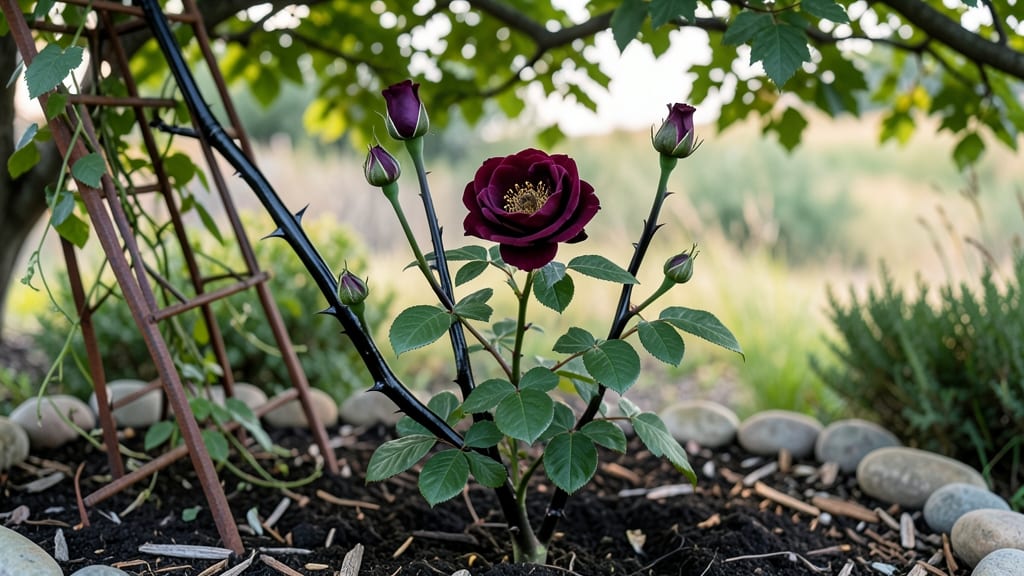
Black stems on your roses aren’t just unsightly—they’re a red flag for fungal diseases like black spot or canker that could cripple your plants if ignored. 🌹 I’ve seen healthy bushes turn into skeletal shadows in weeks, and the key to saving them is acting now, before the disease spreads to the roots.
The good news? Most cases respond to targeted pruning, fungicides, and a few simple cultural tweaks—if you catch them early.
First, rule out pests: sap-sucking insects like aphids or spider mites can leave blackened stems, but they’re usually paired with sticky residue or webbing. True fungal issues start with dark, sunken spots that ooze when wet, and the stems crack like bark on an old tree.
My roses recovered completely after I pruned infected canes back to healthy growth and sprayed with a copper fungicide—organic and effective for black spot and canker.
Prevention is where the real magic happens. Space your roses for airflow, water at the base (not overhead), and mulch to keep stems dry. I’ve kept my bushes thriving for years by pruning in late winter to remove old wood before fungal spores wake up.
The goal isn’t just to fix the black stems—it’s to break the cycle so your roses stay lush and disease-free all season.
If you’re still unsure whether it’s fungus, pests, or environmental stress, snap a photo of the stems and compare it to trusted guides.
The difference between a quick fix and a lost bush often comes down to identifying the problem correctly—and I’ll walk you through the telltale signs in the next steps.
Root Causes Of Stem Discoloration
When your roses develop dark, almost black stems, it’s rarely a coincidence—it’s a sign of stress or infection. Understanding the why behind these symptoms is the first step to saving your plants.
Below, we break down the most common culprits, from environmental factors to hidden pathogens, with clear explanations and actionable insights.
Roses thrive in well-drained soil, but when roots sit in soggy conditions, they can’t breathe. Black stems often signal root rot, a fungal disease that thrives in waterlogged environments. Here’s how it happens:
- Excess moisture: Overwatering or heavy clay soil traps water around roots, creating the perfect breeding ground for Phytophthora and Pythium fungi.
- Oxygen deprivation: Roots suffocate, weakening the plant’s vascular system. The stem darkens as the plant struggles to transport nutrients.
- Symptom progression: Stems start black at the base, then spread upward. Leaves may yellow or wilt, and the plant feels mushy when touched.
💡 Pro Tip: Test your soil’s drainage by digging a hole, filling it with water, and timing how long it takes to drain. If it’s slower than 4 hours, amend with compost or sand.
Two of the most aggressive rose diseases—black spot (Diplocarpon rosae) and gray mold (Botrytis cinerea)—can cause dark, necrotic stems. Here’s the science:
| Disease | How It Starts | Stem Symptoms |
|---|---|---|
| Black Spot | Fungal spores splash onto leaves in wet conditions, creating dark spots. The fungus spreads to stems via wound sites (e.g., thorns, pruning cuts). | Black, tarry lesions that ooze when wet; stems may crack or die back. |
| Botrytis (Gray Mold) | Thrives in high humidity (70%+) and poor air circulation. Spores infect damaged tissue, including stems. | Soft, brown-black mush; stems may collapse. Often seen in crowded rose beds. |
🔥 Key Trigger: Both fungi love wet foliage—watering in the evening or overhead irrigation accelerates spread. Botrytis also targets stressed plants (e.g., those recovering from pruning or drought).
Roses aren’t built for freezing temps, and sudden cold snaps can cause cold injury, turning stems black or purple. Here’s the breakdown:
- Cell rupture: Ice crystals form in stem tissues, bursting cell walls. The plant’s vascular system gets blocked, starving the stem of nutrients.
- Secondary infections: Damaged stems become entry points for fungi and bacteria. Blackening may worsen if Botrytis or bacterial canker take hold.
- Zone matters: Roses in USDA Zones 3–6 are most at risk during late fall/winter. Hybrid teas and climbers are particularly vulnerable.
🌡️ Prevention: Mulch heavily (4–6 inches of straw or shredded bark) before winter to insulate roots. Avoid pruning in late fall—wait until late winter to reduce open wounds.
While less common than fungi, bacterial canker (Pseudomonas syringae) and bacterial wilt (Ralstonia solanacearum) can turn rose stems black in a matter of days. Here’s how to spot them:
- Bacterial canker:
- Starts as water-soaked lesions on stems, then darken to black.
- Oozes yellowish bacterial ooze when stems are cut open.
- Spreads via pruning tools or rain splash.
- Bacterial wilt:
- Stems blacken from the inside out—cutting a stem reveals dark, watery tissue.
- Leaves wilt even when hydrated (vascular blockage).
- Highly contagious; often fatal to the plant.
🔪 Critical Action: If you suspect bacterial wilt, remove and destroy the plant immediately—there’s no cure. For canker, sterilize pruners with 70% isopropyl alcohol between cuts.
Now that you know the why, the next step is diagnosis and treatment—stay tuned to identify which culprit is attacking your roses and how to stop it in its tracks.
Quick Fixes for Rose Stem Woes
If you’ve spotted blackened rose stems creeping up your prized bushes, don’t panic—there’s hope! The key is acting fast with the right treatment. Below, we’ve mapped out solutions tailored to the most common causes, from fungal infections to environmental stressors.
Follow these steps to nurse your roses back to health and keep them thriving.
Fungal diseases like black spot or Botrytis blight are the #1 culprits behind discolored stems. Here’s how to tackle them:
🔥 Step 1: Prune Infected Stems Immediately
Use sterilized pruners (wipe with rubbing alcohol between cuts) to remove blackened or mushy stems at least ½ inch below the damage. Dispose of clippings in the trash not the compost—fungi can survive and reinfect!
🍳 Step 2: Apply Fungicide
Spray affected plants with a copper-based fungicide (like Copper Soap) or a baking soda solution (1 tbsp baking soda + 1 quart water + a drop of dish soap). Reapply every 7–10 days or after rain.
👨🍳 Step 3: Improve Airflow & Light
Fungi love shady, damp conditions. Thin out crowded canes and space plants 3–4 feet apart to encourage airflow. If your roses are in partial shade, consider relocating them to 6+ hours of sunlight daily.
🌡️ Prevention Tip:
✨ Pro Tip: Water at the base of the plant in the morning to let foliage dry quickly. Avoid overhead sprinklers, which spread fungal spores like wildfire. 💦
Soggy soil starves roots of oxygen, leading to stem rot and blackening. Drainage issues? Fix them now:
🔪 Step 1: Check the Soil
Dig a small hole near the base of the rose. If water pools after 30 minutes, your soil is too compacted. Amend it with compost or perlite to improve aeration.
⏰ Step 2: Adjust Watering Habits
Let the top 2 inches of soil dry out between waterings. Stick your finger in—if it’s damp, wait! Mulch with wood chips (2–3 inches deep) to retain moisture without suffocating roots.
🎯 Prevention Tip:
💡 Pro Tip: Plant roses in raised beds or on mounds if your yard has heavy clay soil. This prevents waterlogging and gives roots room to breathe. 🌱
If blackened stems are hollow, sawdust-like, or covered in sticky residue, pests may be the culprits. Here’s how to evict them:
🔥 Step 1: Inspect for Signs of Pests
Look for tiny holes, frass (sawdust-like droppings), or aphid clusters on new growth. Shake stems over a white sheet to spot crawling insects.
🍳 Step 2: Use Natural Pesticides
For rose borers, apply neem oil (mix 2 tbsp neem oil + 1 tsp dish soap + 1 quart water) and spray thoroughly on stems and soil. For aphids, blast them off with a hose or introduce ladybugs (natural predators).
👨🍳 Step 3: Wrap Stems (For Borers)
Cover the lower 12 inches of stems with aluminum foil or cardboard to trap emerging borers. Secure with twine and check weekly for pests.
🌡️ Prevention Tip:
✨ Pro Tip: Plant marigolds nearby—their scent repels borers! Also, avoid over-fertilizing with nitrogen, which attracts aphids. 🌼
Extreme temperatures can cause stems to blacken and die back. Here’s how to revive them:
🔥 Step 1: Protect from Frost
If cold snaps hit, mulch heavily (6+ inches of straw or leaves) and wrap canes in burlap or frost cloth. For potted roses, move them to a garage or shed.
🌡️ Step 2: Shield from Scorching Sun
If stems are sunburned (common in hot climates), provide afternoon shade with a lightweight shade cloth (30–50% block). Water deeply in the early morning to cool roots.
🎯 Prevention Tip:
💡 Pro Tip: Choose disease-resistant rose varieties like ‘Knock Out’ or ‘Dr. Huey’, which handle stress better. Also, avoid planting roses in low-lying areas where cold air pools. ❄️☀️
With these targeted fixes, your roses should bounce back in 4–6 weeks. Stay vigilant, and soon you’ll be admiring lush, healthy stems and bursting blooms again! 🌹
Frequently asked questions
Why do rose stems turn black but the leaves stay green?
This usually signals root rot or vascular diseases like bacterial wilt. The roots can't transport water/nutrients, so stems blacken while leaves stay green (they're still photosynthesizing). Check soil moisture—if it's soggy, you've got drainage issues.
Can I save a rose bush if half the stems are black?
Yes, but act fast! Prune all blackened stems back to healthy green wood, sterilize your tools, and treat with copper fungicide. If >50% is affected, the plant may not recover—consider replacing it. Healthy canes will regrow if roots are still viable.
Is neem oil safe to use on roses with black stems?
Neem oil helps with pests (like borers) but won't treat fungal diseases. For black stems, use copper fungicide instead. If pests are the issue, apply neem oil in the evening when bees aren't active. Always test on one stem first.
How do I know if black stems are from cold damage vs. disease?
Cold damage shows as purple-black discoloration (especially in winter), often with no ooze. Disease causes dark, wet lesions that ooze when pressed. Cold-damaged stems may recover in spring; diseased ones won't.
Will pruning black stems spread the disease to healthy parts?
Only if your tools aren't sterilized! Always wipe pruners with 70% rubbing alcohol between cuts. Never compost infected stems—fungi/bacteria can survive. Dispose of clippings in the trash instead.