
Plants
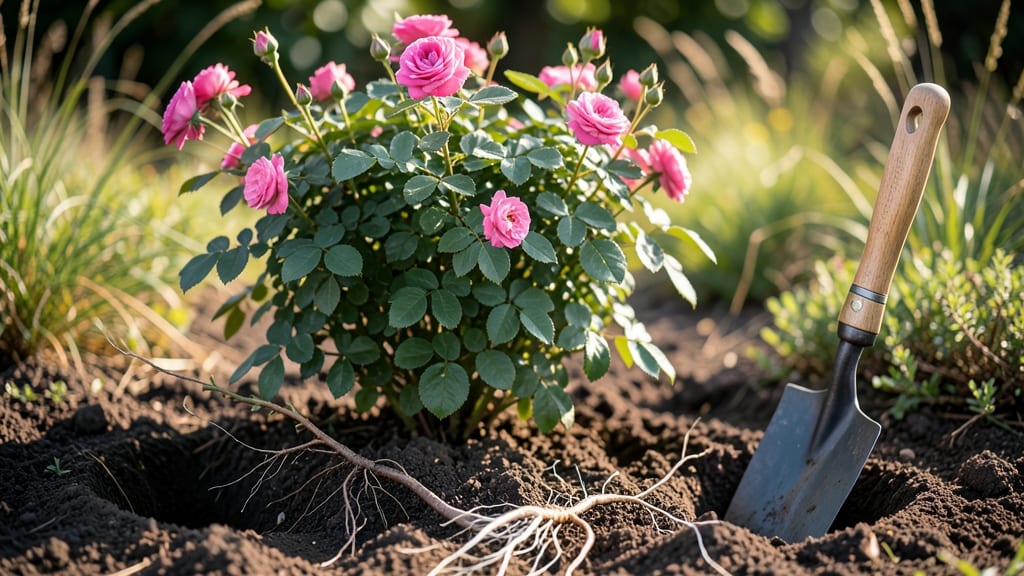
Planting roses in Zone 9b during late fall or early spring sets them up for strong roots and vibrant blooms all season long.
But get it wrong, and you’re staring at wilted stems or worse—roses that never take hold. Zone 9b’s heat and humidity make timing everything, so knowing the perfect window is the key to success.
Here’s what you need to know: the 4-week stretch before spring heat is ideal, but there’s more to it than just months. Soil prep, watering tricks, and even microclimates in your yard can make or break your roses.
I’ll walk you through the exact steps—from soil to sunlight—to ensure your 🌹 thrives from day one, no matter where you are in Phoenix or the Southern California desert.
Best planting months for roses in Zone 9b: avoid these mistakes
Zone 9b gardeners face a unique challenge with roses—the scorching summer sun and high humidity can turn a beautiful planting into a struggling survivor if you choose the wrong timing.
The key is planting when soil temperatures are cooler than 70°F and humidity is low enough to prevent fungal stress. This window is narrow but critical for root establishment.
Most gardeners in Zone 9b assume spring is the best time, but that’s where mistakes happen. Planting in late spring or early summer exposes young roots to heat stress and drought, causing transplant shock.
Instead, focus on November through March when conditions are ideal for roses to establish before summer’s intensity.
Here’s the critical difference: Bare-root roses and potted roses have different ideal planting windows. Bare-root varieties should be planted in late fall (November-December) when the ground is cool but not frozen. Potted roses, however, handle early spring (February-March) better because their root systems are already established in containers.
Zone 9b’s climate demands extra caution. The high humidity in summer creates perfect conditions for black spot and powdery mildew, while the intense sun can scorch new leaves. Planting at the wrong time forces your roses to fight these challenges from day one.
The best planting months for roses in Zone 9b are November, December, and February. These months offer cooler soil temperatures, lower humidity, and reduced pest pressure, giving your roses the best chance to thrive. Let’s break down the options:
| Planting Type | Best Months | Soil Temp | Humidity Risk | Key Consideration |
|---|---|---|---|---|
| Bare-Root Roses | November-December | 55-65°F | Low | Plant before first rain to avoid soil-borne diseases. |
| Potted Roses | February-March | 60-68°F | Moderate | Acclimate to outdoor conditions gradually to prevent shock. |
| Avoid Planting | April-July | 75-95°F | High | Extreme heat causes root burn and fungal infections. |
| Emergency Planting | August-September | 80-85°F | Very High | Only for container-grown roses; provide heavy shade and daily watering. |
If you miss the ideal window, don’t panic. Potted roses can sometimes be planted in late winter (January) if you provide shade cloth and consistent moisture. However, bare-root roses planted outside their ideal window will struggle with transplant shock and may never recover.
Another common mistake is ignoring microclimates within Zone 9b. Coastal areas like San Diego have milder winters, while inland desert regions like Phoenix can still experience freeze risks. Always check your local 10-day forecast before planting to avoid unexpected cold snaps.
After planting, focus on mulching heavily (3-4 inches) to retain moisture and water deeply but infrequently to encourage deep root growth. Avoid fertilizing for the first 6-8 weeks—your roses need to establish roots before pushing new growth.
Remember, the goal is to give your roses a strong foundation before summer’s heat arrives. With the right timing, you’ll enjoy vibrant blooms year after year without the stress of struggling plants. 🌹
Zone 9b rose planting calendar: month-by-month breakdown
In Zone 9b, where summers are scorching and winters are mild, timing your rose planting correctly is everything. The 4-week window before first frost (though rare in Zone 9b) or the coolest months of the year—November through March—are your best bets.
This schedule aligns with your roses' natural dormancy period, giving roots time to establish before the heat kicks in.
Here’s your month-by-month breakdown, including soil prep, watering, mulching, and what to watch for. Follow this, and you’ll avoid the two biggest mistakes: planting in peak summer heat (which stresses roots) or skipping soil prep in dry, compacted soil (which invites fungal diseases).
Soil prep: Test pH (6.0-6.5). Amend with compost and sand if soil is heavy.
Plant bare-root roses. Water deeply 2-3x/week; mulch with 3 inches of wood chips.
Ideal for potted roses. Prune dead canes; watch for aphids (spray with neem oil if needed).
Last chance for fall-planted roses to establish. Reduce watering to once/week as temps rise.
Perfect for new plantings. Fertilize with 5-10-10 (1 tbsp/plant). Monitor for powdery mildew (spray fungicide preventatively).
Avoid planting new roses—focus on watering established plants (deep soak every 5-7 days).
No new plantings. Mulch heavily to retain moisture; water early morning only to prevent fungal growth.
Prep for next season: prune lightly, fertilize lightly, and replenish mulch.
Why this schedule works: Zone 9b’s mild winters mean roses can establish roots without frost stress, while summer’s extreme heat is avoided entirely. For example, planting in November gives roots 4 months to settle before April’s heatwave.
Skip this timing, and you’ll battle wilting, root rot, or stunted growth.
Pro tip: If you must plant in summer, do it in early June—but only with container-grown roses (they handle heat better than bare-root). Shade cloth (30-50% coverage) for the first 2 weeks can save struggling plants.
And always water at the base, never overhead, to prevent fungal spores from splashing onto leaves.
Watch for these Zone 9b-specific red flags: Black spot fungus (humid afternoons), spider mites (dry heat), and root rot (overwatering in clay soil). Your monthly calendar keeps these at bay by matching care to the climate.
Stick to it, and your roses will reward you with bold blooms year-round.