
Planting
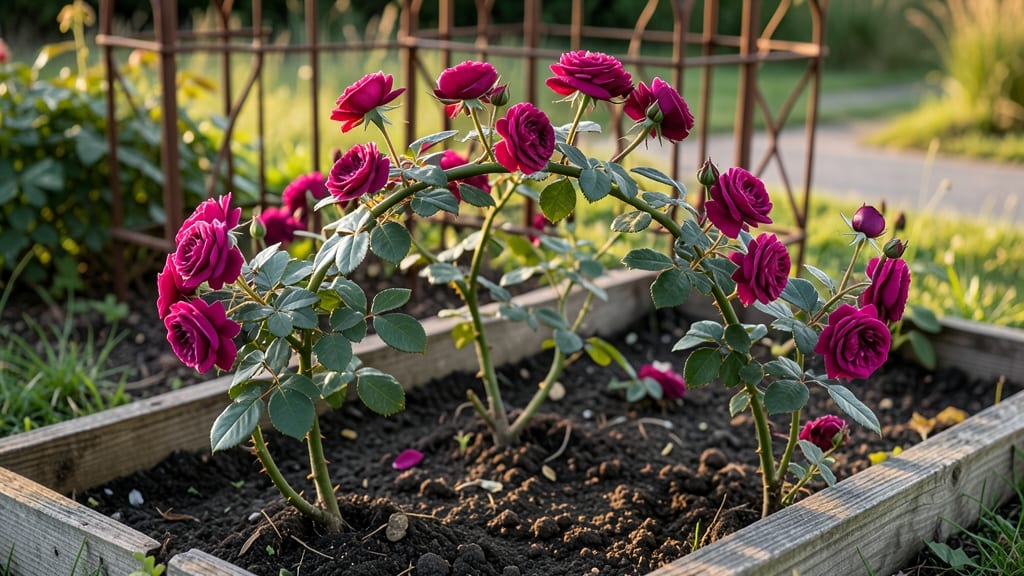
Your patio could smell like a spring garden all year with Brandy Rose vines—fragrant, pink blooms that keep coming back. 🌸 I fell for this plant the first time I walked past a neighbor's container and inhaled that sweet, rose-like scent.
Unlike seasonal roses, these vines reward you with flowers from spring through frost, even in pots.
Growing them is easier than you'd think: they thrive in morning sun with afternoon shade, love well-draining potting mix, and need water only when the top inch feels dry.
The secret to their nonstop blooms is regular pruning after each flush—just trim back by a third to encourage bushier growth. I've had mine climb a trellis for years with almost no care.
What you'll end up with is a fragrant living curtain that attracts butterflies while keeping pests away. The blooms stay pink longer than most roses, and the foliage has a subtle citrusy note that's perfect for near seating areas.
Pair them with sweet alyssum for extra fragrance or trailing ivy for contrast.
Even in small spaces, these vines transform containers into fragrant focal points. They're perfect for balconies, porches, or as a living gift that keeps giving. Here's how to get started with the basics—no green thumb required.
📚 In This Guide
- What you need
- Instructions
- Tips and common mistakes
- Wrapping up and next steps
What you need
- ● Brandy Rose plant: 1 healthy, disease-free bare-root or potted plant (check for lush green foliage and strong canes).
- ● Container: 1 large pot (18–24 inches in diameter) with drainage holes. Pro tip: Terracotta or fabric pots work best!
- ● Potting soil: 3–4 gallons of high-quality, well-draining rose-specific mix (or a blend of 60% potting soil + 30% perlite + 10% compost).
- ● Gravel or pebbles: 1–2 inches (for drainage at the pot’s bottom).
- ● Pruning shears: 1 pair of clean, sharp shears (sterilized with rubbing alcohol).
- ● Slow-release fertilizer: 1 packet of rose-specific granules or balanced 10-10-10 fertilizer.
- ● Mulch: 1–2 inches of organic mulch (e.g., shredded bark or pine needles).
- ● Watering can or hose: With a gentle spray nozzle for hydration.
- ● Epsom salt: 1 tablespoon (for magnesium boost during blooming season).
- ● Trellis or cage: 1 sturdy support (4–6 feet tall) for climbing canes.
- ● Plant ties: Soft fabric strips to secure vines to the trellis.
- ● Fungicide: Copper-based spray (preventative measure for powdery mildew).
- ● Container saucer: To catch excess water and protect surfaces.
Step-by-Step instructions for growing Brandy Rose vines in containers
Here’s how to cultivate these fragrant climbers—simple steps for lush, blooming vines all year.
🌱 Step 1: Choose the Right Container and Drainage
Brandy roses thrive in containers with 10-12 inches of depth and multiple drainage holes—their roots despise soggy soil. I use unglazed terra cotta pots because they breathe and prevent root rot, but plastic works too if you drill extra holes. Place a 2-inch layer of gravel or broken pottery at the bottom to ensure water drains freely without clogging.
Skip the saucer unless you’re prepared to empty it daily—stagnant water at the base encourages fungal diseases. If your pot lacks drainage, elevate it on pot feet or a drip tray to prevent waterlogging. The goal is fast-draining soil that keeps roots aerated while holding enough moisture for thirsty vines.
🌿 Step 2: Plant and Support the Vine
Fill the container with well-draining potting mix (avoid garden soil—it compacts and suffocates roots). Dig a hole twice as wide as the root ball but no deeper, then gently remove the rose from its nursery pot. Loosen the roots if they’re circling tightly—this prevents girdling as the vine matures.
Position the plant so the graft union (the swollen bump where the rose meets its rootstock) sits 1-2 inches below the soil line. This protects the vine from frost damage later. Immediately install a trellis, obelisk, or sturdy wire cage—brandy roses climb aggressively, and waiting means wrestling with tangled vines. Secure the main stem to the support with soft plant ties to encourage upward growth.
☀️ Step 3: Provide Light and Water for Establishment
Brandy roses need 6+ hours of direct sun daily for continuous blooms, but they tolerate morning sun with afternoon shade in hot climates. Place your container where it gets bright, indirect light if full sun scorches leaves—you’ll know it’s too intense when edges turn crispy. Rotate the pot quarter-turn weekly so the vine grows evenly toward the light.
Water deeply every 2-3 days until the top 2 inches of soil feel dry. Stick your finger in—if it’s damp past your first knuckle, wait another day. Overwatering is the #1 killer of container roses, so let the soil dry slightly between waterings. After the first month, reduce to once a week unless it’s scorching hot, as established roots handle drought better.
✂️ Step 4: Prune for Blooms and Shape the Vine
Prune brand-new growth in early spring by cutting back one-third of the oldest canes to the ground. This forces energy into fresh shoots and prevents leggy, sparse growth. Remove any dead, crossing, or inward-growing branches—these compete for nutrients and block airflow, inviting disease. Always use clean, sharp pruners and make cuts at a 45-degree angle just above an outward-facing bud.
Deadhead spent blooms weekly by snipping the stem just above the next set of leaves. This redirects the plant’s energy into new flowers instead of seed production. In late summer, give the vine a light trim to shape it—brandy roses bloom on both old and new wood, so avoid heavy pruning after mid-July or you’ll sacrifice fall/winter flowers. A well-pruned vine rewards you with nonstop blooms and a tidy, lush appearance.
🪴 Step 5: Feed and Overwinter for Year-Round Growth
Fertilize every 4-6 weeks during growing season with a balanced rose-specific fertilizer (10-10-10 or similar). I mix in ½ teaspoon of Epsom salt monthly to boost magnesium—you’ll see it in deeper green leaves and more vibrant blooms. In late summer, switch to a low-nitrogen, high-phosphorus formula (like 5-10-10) to encourage fall blooming and root strengthening.
For winter care, move containers to a protected spot (like a garage or under eaves) where temps stay above 20°F. Wrap the pot in burlap and cover the vine with frost cloth if nighttime temps dip below freezing. Resume regular care in spring once new growth appears—this is your cue that the vine has broken dormancy and is ready for pruning and feeding.
Tips & tricks for perfect Brandy Rose vines in containers
Here's what I've learned after nurturing these fragrant climbers for years—simple secrets that make all the difference.
Container Material Matters: Unglazed terra cotta pots are my top recommendation because they wick moisture away from roots, preventing that dreaded root rot. But if you're using plastic containers, drill extra drainage holes—even more than the instructions suggest. I've found that adding a second hole on the side helps with airflow, especially in hot climates. The key is keeping those roots happy and aerated.
Root Care During Planting: When you're loosening those circling roots in Step 2, don't just pull them apart—make small vertical cuts with your fingers or a clean knife to encourage outward growth. This prevents the roots from strangling themselves as the vine matures. I've seen roses with girdled roots struggle for years, so take those extra 2 minutes during planting to make a real difference in long-term health.
Light Rotation Hack: That quarter-turn weekly rotation in Step 3 is crucial, but here's a pro tip: use a small piece of chalk or tape to mark the pot's position. This helps you track which direction the vine is growing and ensures even exposure to light. I've noticed my roses develop more evenly when I can visually track their growth pattern—it's like giving them a gentle nudge in the right direction.
Winter Protection Upgrade: While the instructions suggest wrapping in burlap and covering with frost cloth, I've found adding a layer of straw mulch around the base of the plant provides extra insulation. Just make sure to remove it in spring before new growth appears. This simple addition helps maintain more consistent soil temperatures during those cold winter months.
Pro Tips for Brandy Rose Plant
- Here's what I've learned after nurturing these fragrant climbers for years—simple secrets that make all the difference.
- Container Material Matters: Unglazed terra cotta pots are my top recommendation because they wick moisture away from roots, preventing that dreaded root rot.
- Root Care During Planting: When you're loosening those circling roots in Step 2, don't just pull them apart—make small vertical cuts with your fingers or a clean knife to encourage outward growth.
Frequently asked questions
Got questions about growing and caring for your Brandy Rose plant? Here are some of the most common ones—plus expert tips to keep your fragrant vine thriving!
How often should I water my Brandy Rose plant?
Water your Brandy Rose when the top 1–2 inches of soil feel dry. Since it thrives in containers, aim for consistent moisture—but avoid soggy soil to prevent root rot. In hot climates, water every 2–3 days; in cooler weather, every 5–7 days. Pro tip: Check soil moisture with your finger before watering!
Why aren’t my Brandy Rose leaves turning red?
Red foliage fades when the plant lacks sunlight or nutrients. Move it to a bright, indirect spot (6+ hours of light daily) and fertilize monthly with a balanced liquid fertilizer. If leaves stay green, it may also need more phosphorus—try a bloom booster!
Can I grow Brandy Rose indoors year-round?
This tropical vine loves indoor life if you mimic its natural habitat: warm temps (65–75°F), humidity (use a pebble tray or humidifier), and bright, filtered light. A south- or west-facing window is ideal. Just rotate the pot weekly for even growth!
What’s the best way to prune my Brandy Rose?
Prune in spring or early summer to shape the vine and encourage bushier growth. Use clean scissors to trim back leggy stems by ⅓, and pinch off spent blooms to prolong flowering. Warning: Wear gloves—its sap can irritate skin! Deadhead regularly to keep it blooming nonstop.
Are there non-toxic alternatives to Brandy Rose?
If you have pets or sensitive skin, try these safe, fragrant vines instead:
- Sweet Pea (Lathyrus odoratus) – Pet-friendly, sweet-smelling blooms.
- Jasmine (Jasminum) – Non-toxic but needs outdoor conditions.
- String of Hearts (Ceropegia woodii) – Trailing, pet-safe, and low-maintenance.
Wrapping up and next steps
Growing a Brandy Rose plant is a rewarding way to add year-round fragrance and beauty to your space—even in containers! With its low-maintenance care and stunning blooms, this vine is perfect for beginners and plant enthusiasts alike.
Whether you're drawn to its sweet scent or vibrant flowers, now is the perfect time to bring one home and enjoy its charm.
Ready to get started? Pick your favorite variety, gather your supplies, and give your Brandy Rose plant the love it deserves. Happy planting—your garden (or balcony!) will thank you! 🌸✨