
Pests
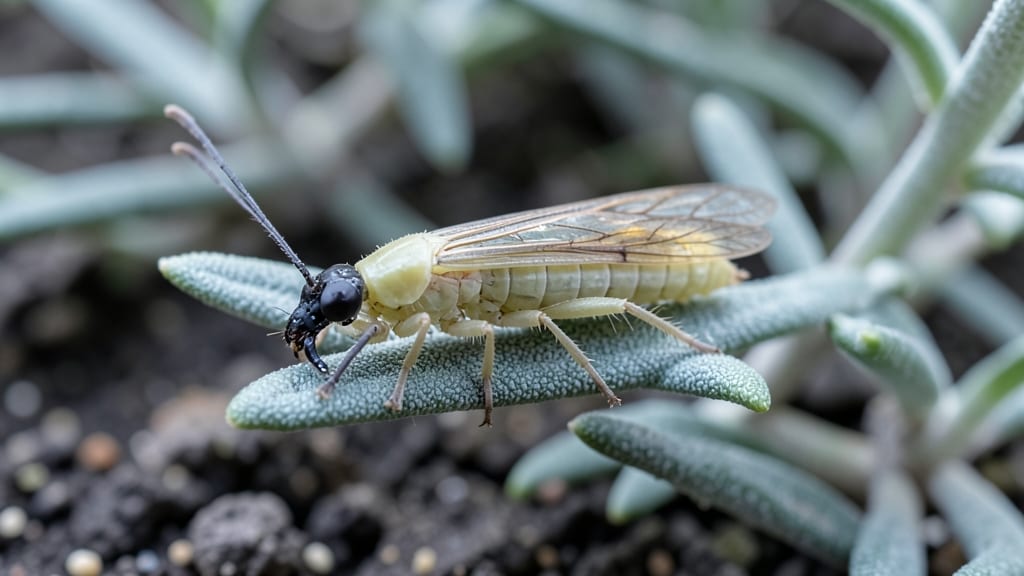
Those bugs on rosemary plant are about to meet their match—neem oil always delivers when other methods fail. 🌿 I've battled aphids, spider mites, and whiteflies on rosemary, turning fragrant leaves into sticky, spotted messes.
The problem starts small: you notice webbing, speckled leaves, or clusters of bugs clinging to new growth. Rosemary's woody stems and needle-like leaves make it especially vulnerable to hidden infestations that spread quickly in dry, indoor conditions.
Most gardeners reach for chemical sprays first, but that's exactly what I avoided after my first rosemary plant turned brown and brittle. What you'll do instead is mix neem oil with water and a drop of dish soap, then spray it directly on the bugs and undersides of leaves.
Within 3-5 days, you'll see the pests drop off, and new growth will emerge clean and vibrant. The key is consistency—repeat the treatment every 5-7 days until you've seen two full leaf cycles without new bugs. This works for container-grown rosemary, patio pots, or even indoor plants.
The same solution tackles spider mites, mealybugs, and even scale—no matter how bad the infestation looks when you start.
Root Causes Of Rosemary Pests
Rosemary’s fragrant, woody stems and needle-like leaves make it a magnet for pests, but why do these critters target your plant so eagerly? The answer lies in a mix of environmental factors, plant vulnerabilities, and the irresistible allure of rosemary’s natural chemistry.
Let’s break down the key reasons your rosemary is becoming a bug buffet—and how to address them.
---
Rosemary thrives in well-drained soil and full sun, but when it’s cramped, waterlogged, or nutrient-deficient, its defenses weaken. Pests like aphids, spider mites, and whiteflies zero in on stressed plants because:
- Poor air circulation traps moisture, creating a humid microclimate that aphids and mites adore. - Weakened sap (due to drought or overwatering) becomes an easy meal for sap-sucking insects. - Stunted growth (from compacted soil or root bind) makes plants more susceptible to fungal hitchhikers like mealybugs, which thrive in slow-growing, sugary environments.
💡 Pro Tip: Prune rosemary regularly to improve airflow, and avoid over-fertilizing—too much nitrogen attracts soft-bodied pests.
---
Rosemary’s aromatic oils (like camphor and eucalyptol) repel some pests but also draw others that feed on its foliage or lay eggs in its woody stems. Common culprits include:
| Pest | Why They’re Drawn In | Signs of Infestation | |-------------------|------------------------------------------------------------------------------------------|--------------------------------------------------| | Aphids | Sweet sap from new growth is their favorite snack. | Sticky honeydew, curled leaves, ants (their farmers). | | Spider Mites | Dry, dusty conditions (common in rosemary’s native Mediterranean climate) make them thrive. | Fine webbing, yellowing leaves, tiny moving dots. | | Whiteflies | Rosemary’s heat and humidity create the perfect breeding ground for these flying pests. | White, moth-like adults fluttering when disturbed. | | Mealybugs | They target stressed plants and hide in leaf axils, feeding on plant juices. | Cottony white clusters, stunted growth. |
✨ Science Note: Some pests, like rosemary beetles (a type of leaf beetle), are actually pollinators but can defoliate plants if populations explode due to lack of natural predators.
---
Rosemary’s native Mediterranean climate means it’s adapted to dry heat and occasional drought, but modern growing conditions can throw pests off balance:
- Extreme heat (above 90°F) weakens plants, making them more vulnerable to spider mites, which thrive in hot, dry conditions. - Sudden rain or overwatering washes away beneficial predators (like ladybugs) while creating slippery surfaces that attract slugs and snails to munch on tender new growth. - Poor drainage leads to root rot, stressing the plant and inviting fungus gnats (whose larvae feed on decaying organic matter).
🌡️ Climate Hack: If your rosemary is in a container, ensure it has drainage holes and use gravel or perlite in the soil mix to prevent waterlogging.
--- In nature, rosemary’s pests have natural enemies—but urban or greenhouse settings often lack these helpers. Common predators include:
- Ladybugs (devour aphids and mites) - Lacewings (eat whiteflies and soft-bodied pests) - Parasitic wasps (control caterpillars and beetles) - Birds (peck at caterpillars and beetles)
🔥 Problem: If you’ve used broad-spectrum pesticides, you may have wiped out these allies, leaving your rosemary defenseless.
🎯 Solution: Encourage biodiversity! Plant companion herbs like basil or lavender to attract beneficial insects, or introduce predatory nematodes (microscopic worms that hunt pest larvae).
--- Sometimes, our own habits turn rosemary into a pest paradise. Common offenders:
- Overpruning without sterilizing tools spreads diseases and pests from plant to plant. - Using contaminated soil or compost (from infested plants or wild sources) introduces eggs or larvae. - Ignoring early signs (like tiny holes or webbing) lets small infestations become full-blown crises. - Planting too close to other herbs can spread pests via cross-contamination (e.g., aphids jumping from thyme to rosemary).
👨🍳 Prevention Tip: Always clean pruners with rubbing alcohol between cuts, and quarantine new plants for a week before adding them to your garden.
Quick Fixes for Rosemary Pests
Got unwanted critters munching on your rosemary? Don’t panic—these targeted solutions will help you reclaim your fragrant herb garden fast. Below, we’ve matched common pests to their fixes, plus prevention tips to keep your rosemary thriving long-term.
---
Aphids cluster on rosemary stems and leaves, sucking sap and leaving behind sticky residue (aka honeydew). Here’s how to kick them out:
🔥 Step-by-Step Fix: 1. Blast Them Off 💦 - Spray aphids directly with a strong stream of water from your hose. This dislodges most of them without chemicals. - Pro tip: Do this in the early morning so the plant has time to dry before evening.
2. Neem Oil Spray 🌿 - Mix 1 tsp neem oil + 1 tsp mild soap + 1 quart water in a spray bottle. - Shake well and apply evenly to all surfaces (top and bottom of leaves). - Reapply every 3–5 days until aphids disappear.
3. Introduce Predators 🐞 - Ladybugs and lacewings love aphids. Buy them online or attract them by planting dill, fennel, or marigolds nearby.
🛡️ Prevention: - Prune regularly to remove crowded growth (aphids hide in dense foliage). - Encourage airflow by spacing plants 12–18 inches apart.
---
These microscopic pests thrive in dry, dusty conditions, spinning webs and causing yellowing leaves. Act fast—they multiply quickly.
🍳 Step-by-Step Fix: 1. Wipe Down Leaves 🧼 - Dampen a soft cloth or sponge with water and gently scrub infested leaves to remove mites and webs.
2. Neem Oil or Insecticidal Soap 🛡️ - Spray with neem oil (1 tbsp per quart of water + soap) or insecticidal soap (follow label instructions). - Focus on undersides of leaves where mites hide. - Repeat every 5–7 days for 2–3 weeks.
3. Increase Humidity 🌡️ - Spider mites hate moisture. Mist your rosemary daily or place a shallow tray of water near the plant.
🎯 Prevention: - Water deeply 2–3 times per week (they hate damp soil). - Avoid over-fertilizing—too much nitrogen attracts them.
---
Whiteflies flutter above rosemary, leaving yellow sticky spots and weakening plants. They’re tough but beatable!
👨🍳 Step-by-Step Fix: 1. Yellow Sticky Traps 🎯 - Hang yellow sticky cards near the plant to trap adult whiteflies (they’re attracted to yellow). - Check traps daily and replace when full.
2. Neem Oil or Horticultural Oil ❄️ - Spray neem oil (1 tbsp per quart of water) directly on the undersides of leaves (where eggs hide). - Cover the plant with a light sheet before spraying to smother adults (they’ll fly out when disturbed).
3. Soap Spray 🧴 - Mix 1 tbsp castile soap + 1 quart water and spray thoroughly. Repeat every 3 days until gone.
✨ Prevention: - Inspect new plants before bringing them indoors. - Remove yellowing leaves immediately (they attract whiteflies).
---
Mealybugs look like fluffy white cotton and secrete a sticky substance that attracts ants (who love them).
🔪 Step-by-Step Fix: 1. Scrape Them Off 🧹 - Use a soft toothbrush dipped in rubbing alcohol to wipe away colonies. - Focus on leaf axils (where stems meet leaves)—their favorite hiding spot.
2. Neem Oil or Isopropyl Alcohol 🧴 - Spray neem oil (1 tbsp per quart of water) or 70% isopropyl alcohol (diluted 1:1 with water). - Reapply every 5 days until no signs remain.
3. Beneficial Insects 🐝 - Ladybugs, lacewings, and parasitic wasps eat mealybugs. Release them or plant herbs like basil to attract them.
💡 Prevention: - Avoid overwatering (they love damp soil). - Space plants widely to reduce humidity around leaves.
---
These black-and-orange beetles (actually a type of leaf beetle) devour leaves, leaving jagged holes.
⏰ Step-by-Step Fix: 1. Handpick Them 🖐️ - Drop them in soapy water immediately—don’t let them reinfest! - Do this early in the morning when they’re sluggish.
2. Neem Oil Barrier 🛡️ - Spray neem oil (1 tbsp per quart of water) directly on beetles and leaves. - Reapply after rain.
3. Row Covers 🏞️ - Cover young rosemary with fine mesh netting to block adults from laying eggs.
🌿 Prevention: - Plant rosemary near strong-scented herbs (like lavender or thyme) to repel beetles. - Rotate crops if growing rosemary in containers.
--- 🌟 Final Pro Tip: For severe infestations, combine neem oil + sticky traps + handpicking for a 1-2-3 punch. Most pests are gone within 2–3 weeks with consistent treatment!
Now go rescue that rosemary—your kitchen (and your garden) will thank you! 🌿✨
Frequently asked questions
Can I use neem oil on rosemary indoors?
Yes, but ventilate the area well! Neem oil is safe for indoor rosemary when used properly. Spray in the morning when windows can be opened, and avoid direct contact with pets or children. The key is 1 tsp neem oil + 1 tsp mild soap per quart of water—this concentration works without harming your plant. Just mist lightly to avoid waterlogging soil.
How do I know if my rosemary bugs are spider mites vs. aphids?
Check for these clues: Spider mites create fine webbing on leaves and cause yellow stippling, while aphids leave sticky honeydew and cluster on new growth. Examine the undersides of leaves—aphids are green/black, while mites are tiny red/yellow dots. If you see both, you likely have a mixed infestation.
Will pruning help prevent future rosemary pests?
Regular pruning improves airflow and removes hiding spots for pests. Trim 1/3 of the plant in spring to encourage bushier growth, and always use sterilized shears (wipe with rubbing alcohol). Focus on crowded areas where bugs love to hide, and remove any yellowing or damaged leaves immediately.
Can I save my rosemary if it's already heavily infested?
Yes, but act fast! Start with a neem oil soak—place the pot in a sink with water and neem oil (1 tbsp per gallon) for 15 minutes to suffocate pests. Then prune all affected growth and repot with fresh, sterile soil. For severe cases, consider propagating healthy cuttings to start fresh while treating the original plant.
Are there any companion plants that naturally repel rosemary pests?
Try planting lavender, thyme, or basil nearby—their strong scents deter many pests. Marigolds also work well as a trap crop for aphids and whiteflies. Just keep them spaced 12-18 inches from your rosemary to prevent cross-contamination. The key is creating a diverse garden ecosystem that naturally balances pest populations.